

OUTCOMES & MEASUREMENT
What partners and schools can expect
We track growth through simple, ethical, and practical methods (pre/post check-ins, observation, reflections, and testimonials). Outcomes often include:
care • dignity • evidence-informed practice • creativity • service • joy • community empowerment

Youth turn skills into action: they identify a real need, co-design a community-building or service initiative, and implement it with adult mentors—strengthening leadership, solidarity, and lasting impact.
Choose the format that fits your context (customizable)
A) Student Workshops (in-school or after-school)
B) Educator & Staff Training
C) Family & Community Workshops
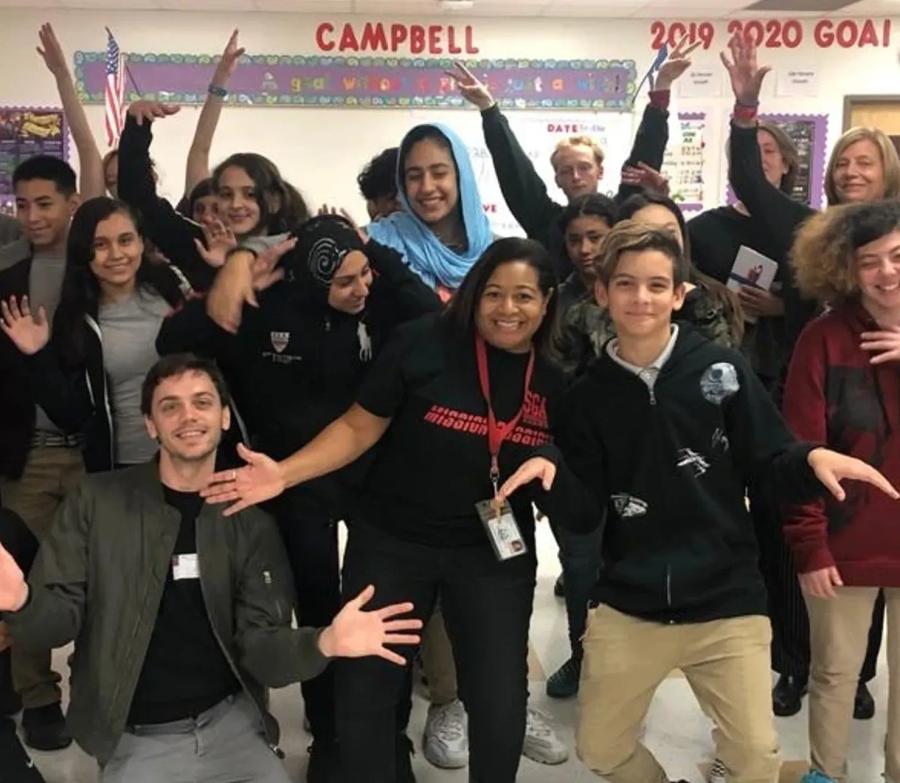
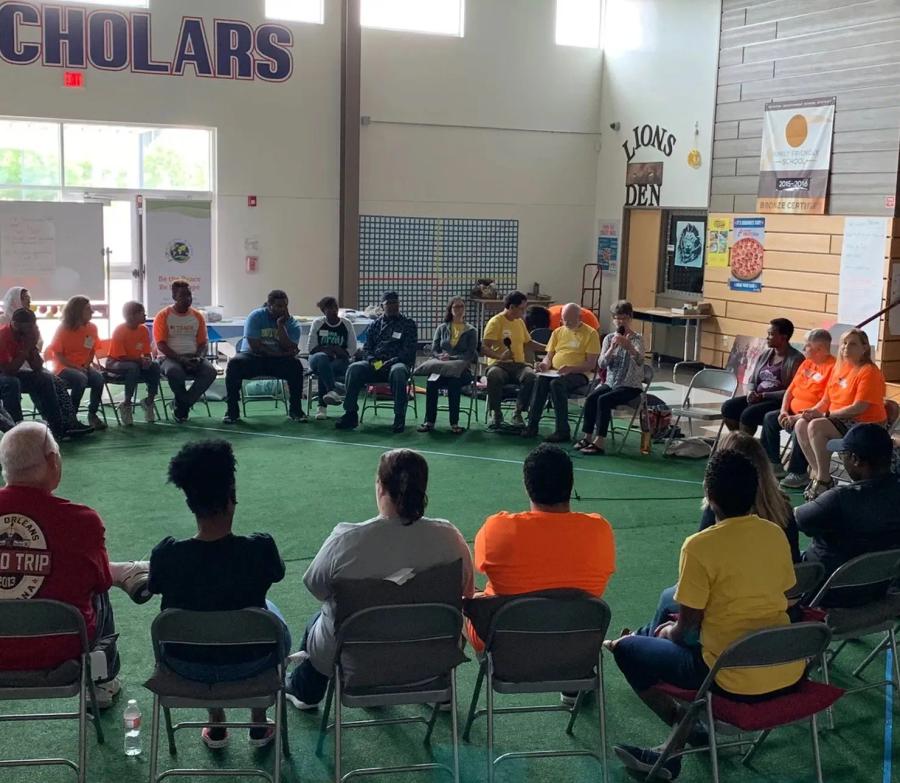
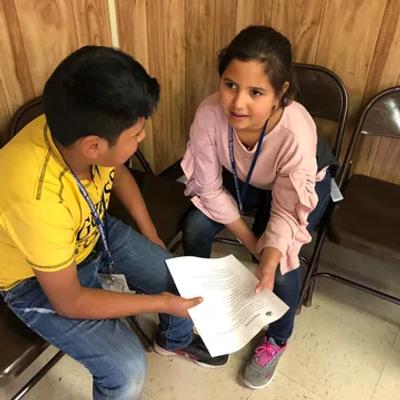
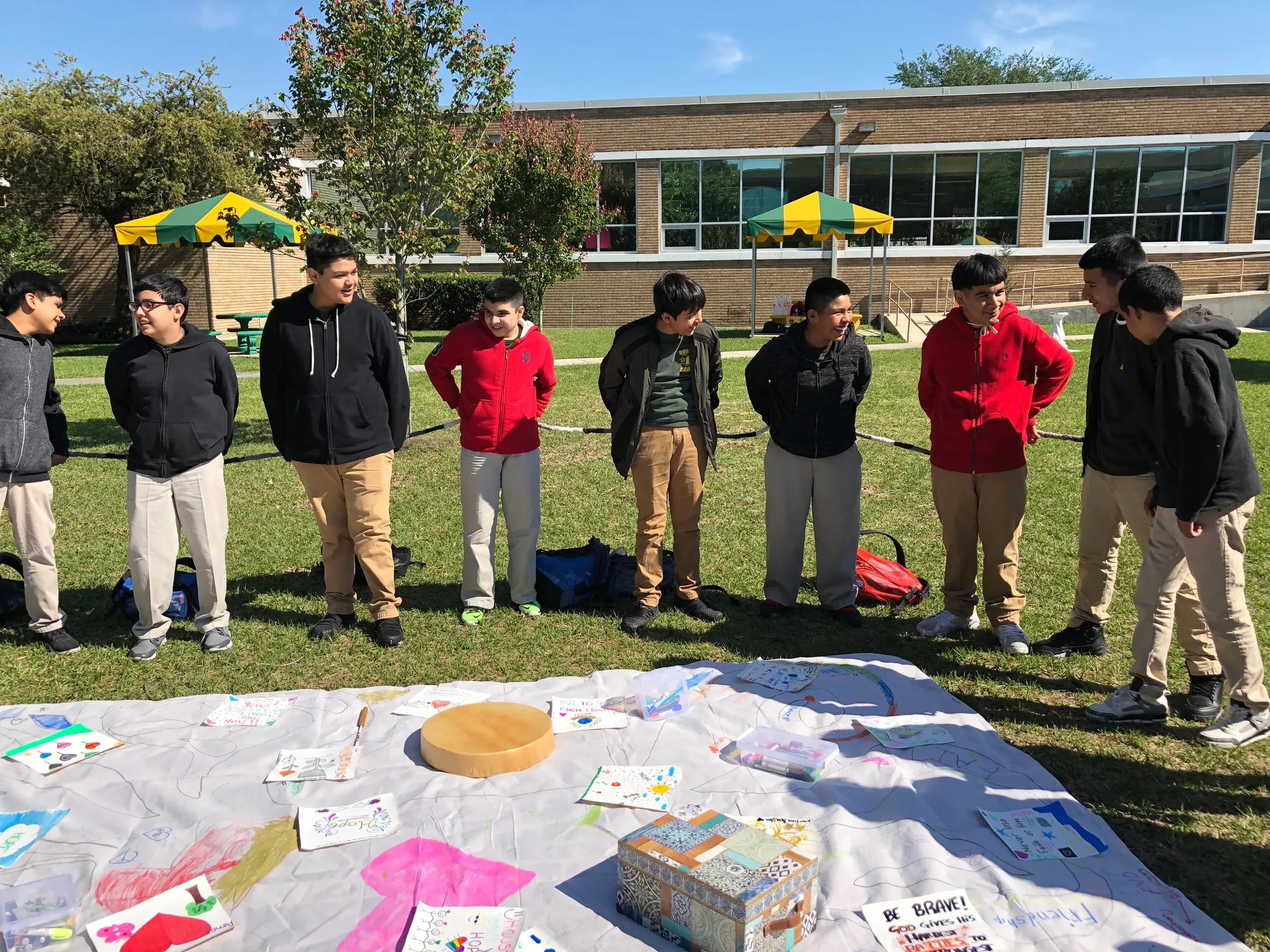
We serve elementary, middle, and high school communities, including low-income, underserved, and minority students, as well as parents and teachers, across Texas. Our reach has extended to over 60 schools, including Emerson, Hartsfield, Las Americas, Marshall, Paul Revere, Sugar Grove Academy, Sutton, Westside High, Wisdom, and Yes Prep Northside, a.
Our program operates in multiple phases, with some of the core phases being the Foundation Phase and the Leadership & Community Development Phases.

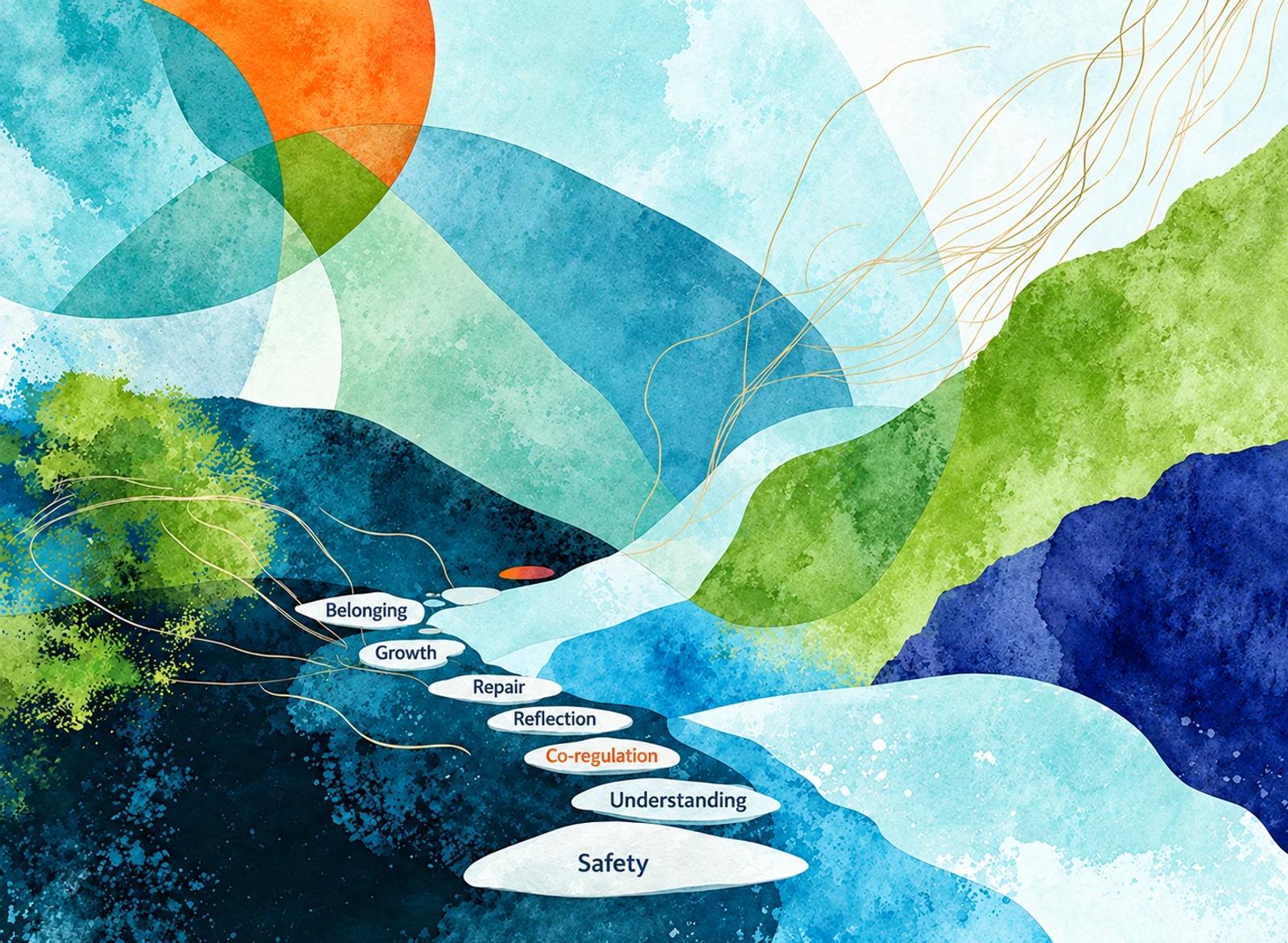
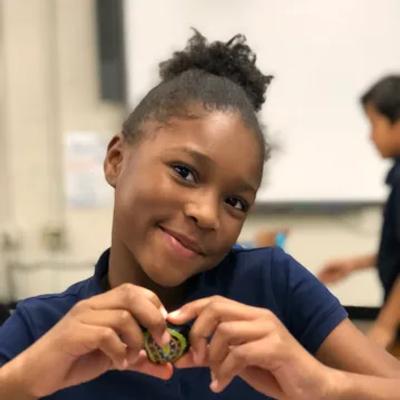
We begin by establishing psychological safety, shared agreements, and a respectful group culture. Students learn to notice emotions and body signals, build self-awareness, and identify character strengths that support confidence and positive identity. This step creates a stable foundation for learning, participation, and healthy relationships. Facilitation is trauma-informed and does not require personal disclosures.
Outcomes

Students learn how the brain responds to stress and how learning is affected by survival mode (attention, memory, impulse control). They explore mindset, internal obstacles, and unhelpful self-talk—then practice shifting toward more constructive inner dialogue. This step strengthens learning-to-learn skills and supports motivation without shame or pressure. Students gain language and strategies to “pause and choose” rather than react.
Outcomes

Students learn practical regulation tools they can use immediately—in class, at home, and during conflict. We normalize stress responses and teach short, repeatable practices to calm the body, recover attention, and adapt under pressure. Students build a personal coping plan and practice choosing tools that fit the moment. This step supports consistency across settings and helps reduce escalation.
Outcomes

Students practice the core relationship skills that build trust: listening, empathy, boundaries, respectful dialogue, and repair after conflict. They learn how miscommunication escalates—and how to de-escalate with clear language and care. This step reduces harm and supports a healthier classroom climate, peer relationships, and teamwork. Skills are taught through modeling, practice, and low-risk role play.
Outcomes

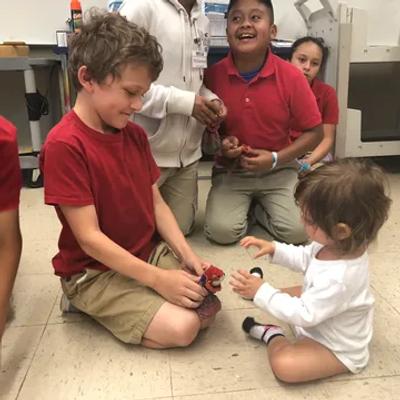
Students experience belonging through shared values, inclusive teamwork, creativity, and collaboration. They learn how values translate into behaviors—respect, responsibility, kindness, and fairness—especially when things are hard. This step strengthens prosocial norms and peer support while building a positive group identity. Activities are structured to increase engagement and help every student contribute.
Outcomes
Students connect skills to meaning: “Why does this matter, and what kind of person do I want to be?” They learn how small daily actions build hope and long-term resilience. This step strengthens motivation, purpose, and prosocial leadership by guiding youth to contribute positively to their school or community. It bridges personal growth to civic engagement through practical, age-appropriate action.
Outcomes
Turn emotional well-being into daily habits so young people can thrive, not just cope.
Your brain learns by repetition, just like a path forms in a forest.
Big feelings can feel confusing especially when they build up inside.

Student driven, this phase requires active engagement with the school and community to discover areas of improvements and gain inspiration for projects.

Students learn skills such as interview techniques, mind-mapping, project management, leadership, team building and implementation techniques. All social and emotional competencies are required to make their chosen project become a reality.

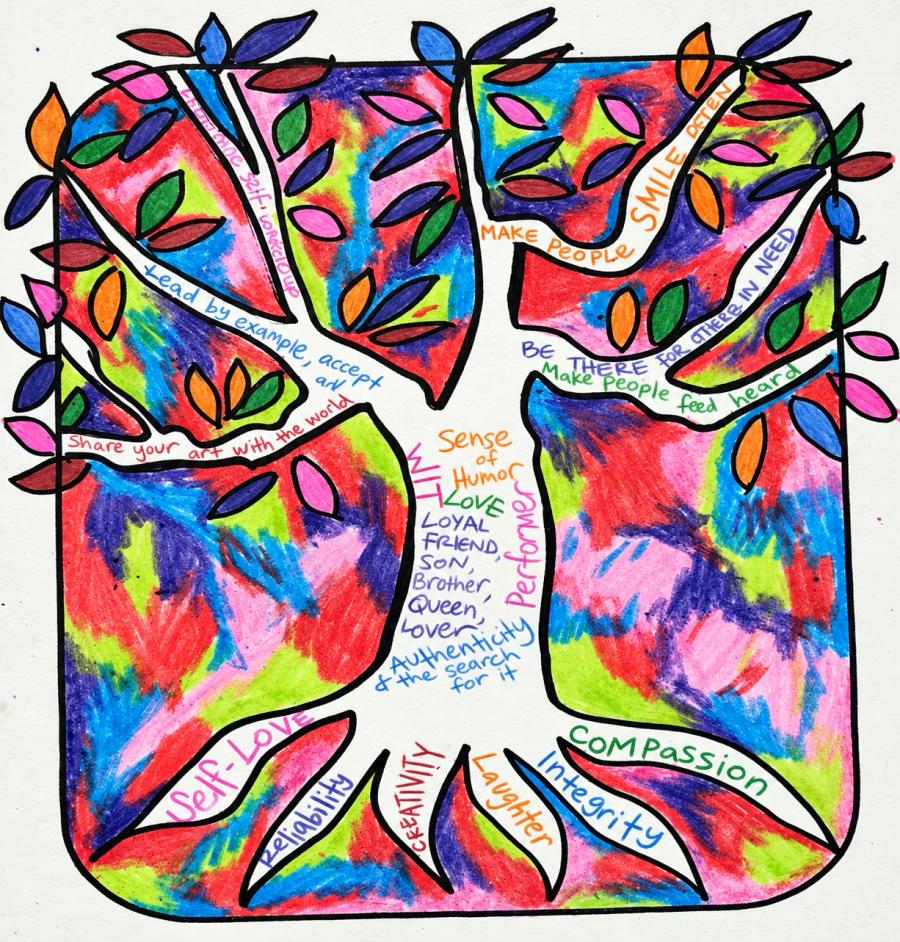
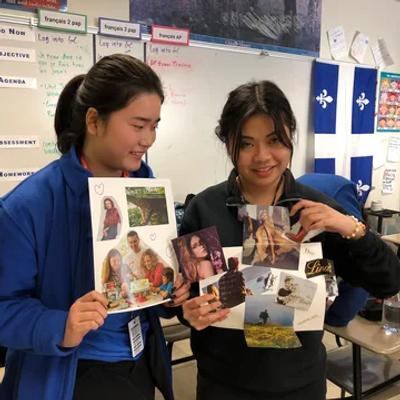
These opportunities allow students to create and implement projects that impact the school community and its environment. In the past, students have created sustainable projects including murals, with positive words gathered during the mind-mapping exercise and translated in all the languages spoken in the school; Mindfulness installations reinforcing the school culture; End of the year showcase, in which students delivered an inspirational speech and performances in front of the entire school.
There's much to see within Be Peace - Be Hope.
So, take your time, look around, and contact us as there is more to know about us.
We hope you enjoy our site and take a moment to drop us a line.
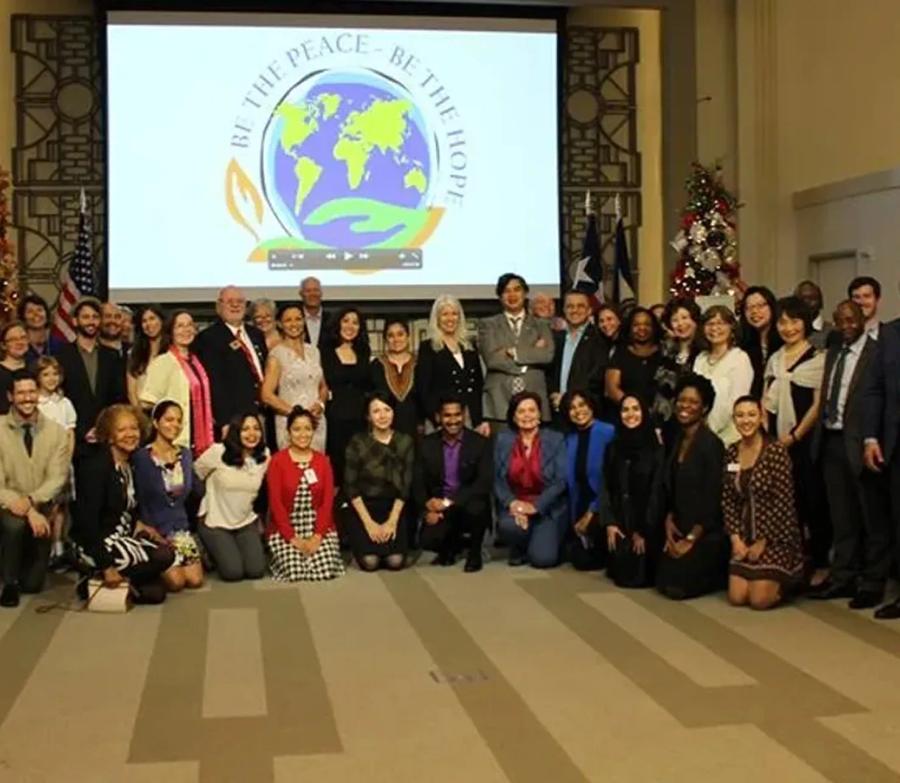
The "Be Peace - Be Hope" (previously "Be the Peace - Be the Hope") program also invites the youth from our schools and community centers to share a spirit of hope, peace and mutual concern with the Greater Houston community (including nursing homes, hospitals) and children in refugee camps and orphanages.
Delivered through the powerful medium of art created by children for children, these messages symbolize positive intentions for the future. By cultivating compassion, awareness, and global connection through simple actions, this program expands the youth's collective capacity for dialogue and for uniting forces in order to create the positive change they wish to see in the world, despite disparate situations.