Children grow differently when they experience safety before shame.
Connection before correction. Belonging before performance. A trauma-informed pathway that moves young people from survival toward safety, and from safety toward contribution.
A framework that emerged through listening
Across classrooms, refugee camps, orphanages, and community programs, we kept seeing the same thing. Children changed in similar ways when certain conditions were present. Not because their stories matched, but because human beings share the same emotional and relational needs.
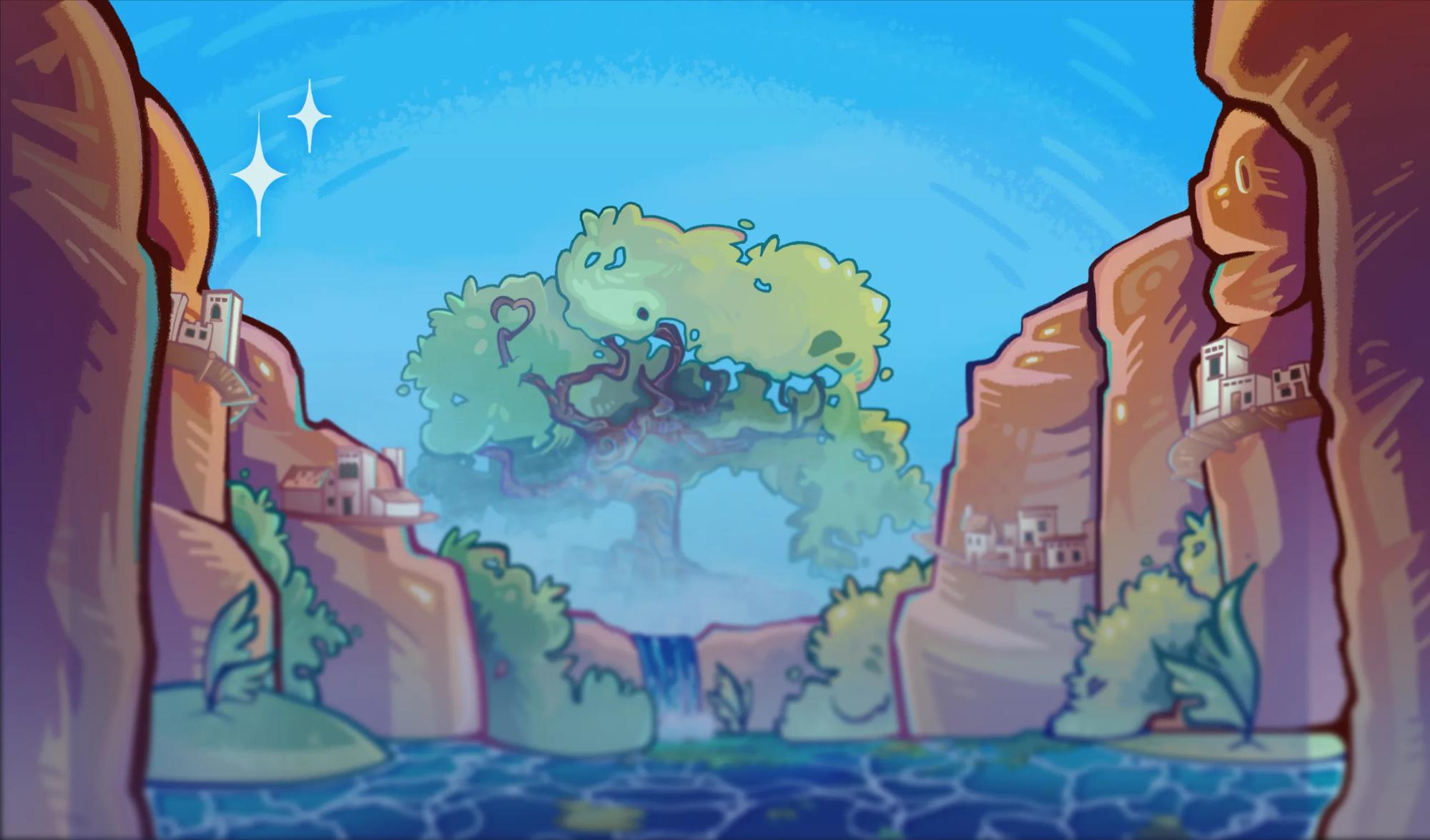
Those repeated observations slowly formed a pathway. We came to understand it through the metaphor of a tree.
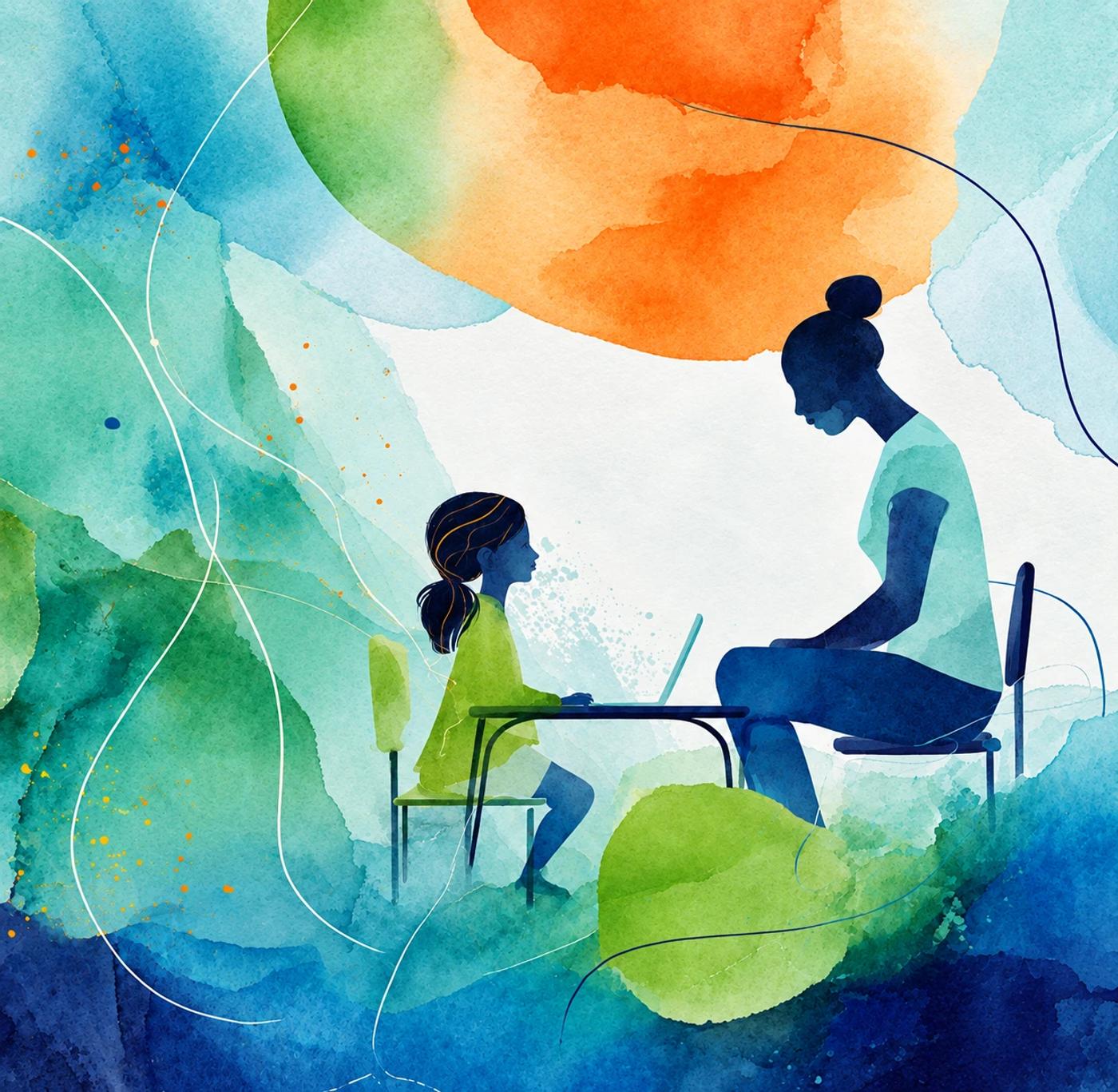
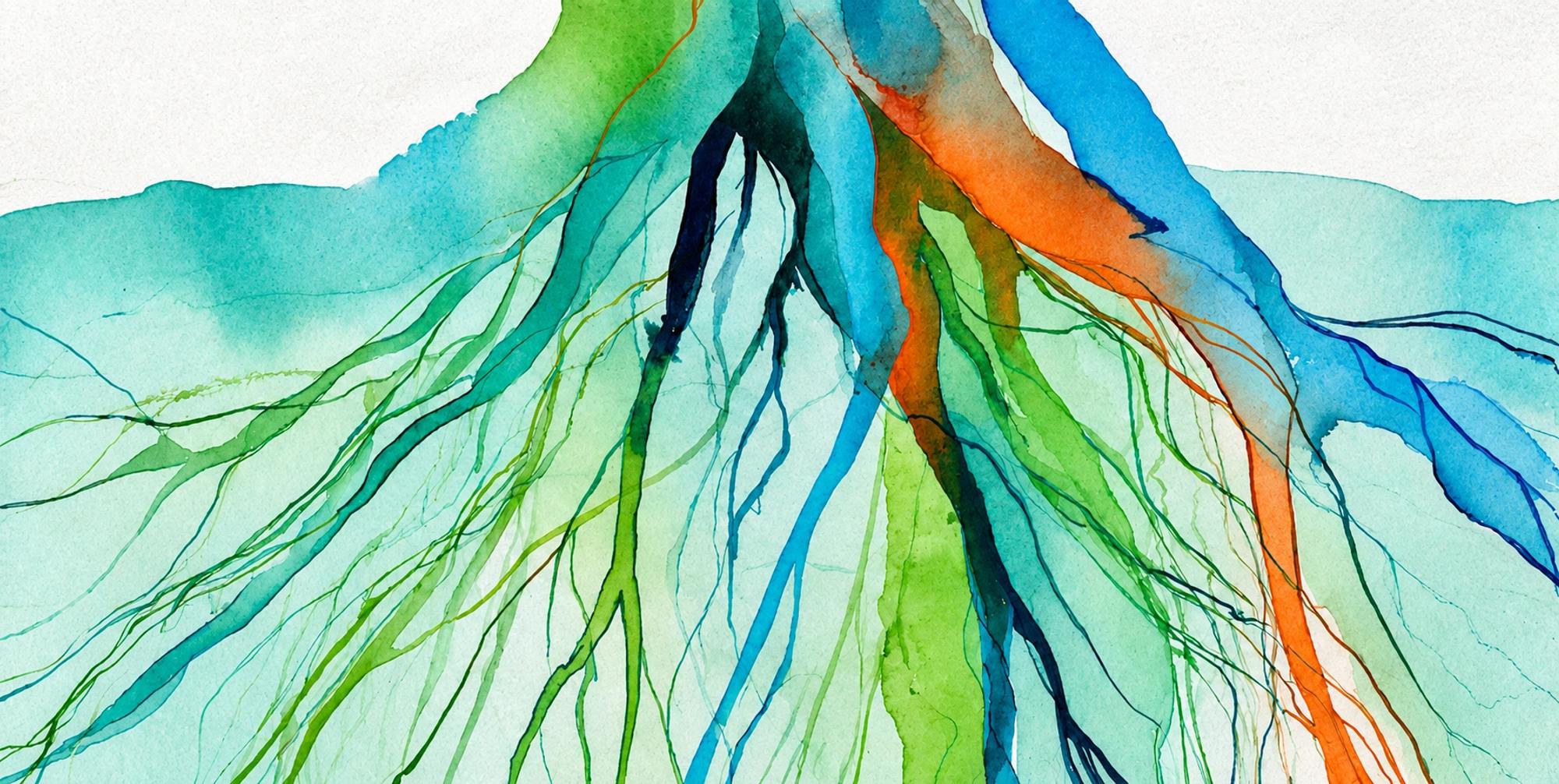
How the pathway moves
-
Fire Safety and the first spark of connection
Growth begins with safety. Before a child can reflect, learn, or regulate, they need to feel seen, welcomed, and emotionally held. Adults become the calm presence that helps hope replace fear.
-
Earth Understanding beneath behavior
We ask what a child may be carrying, not only what they are doing. Children reconnect with their emotions, strengths, values, and identity, and roots begin to hold.
-
Water Expression and relational growth
What has been held inside begins to move. Through art, music, movement, storytelling, and play, children express what words alone cannot carry, and isolation turns into connection.
-
Air Contribution, leadership, and impact
Children discover they are contributors, not only recipients of care. They identify needs in their community, build plans, and see that their voice and choices matter.
Helping children heal and grow is never only about the child. It is also about the emotional ecosystems we create together.
- Relational
- Trauma-informed
- Strengths-based
- Whole-child
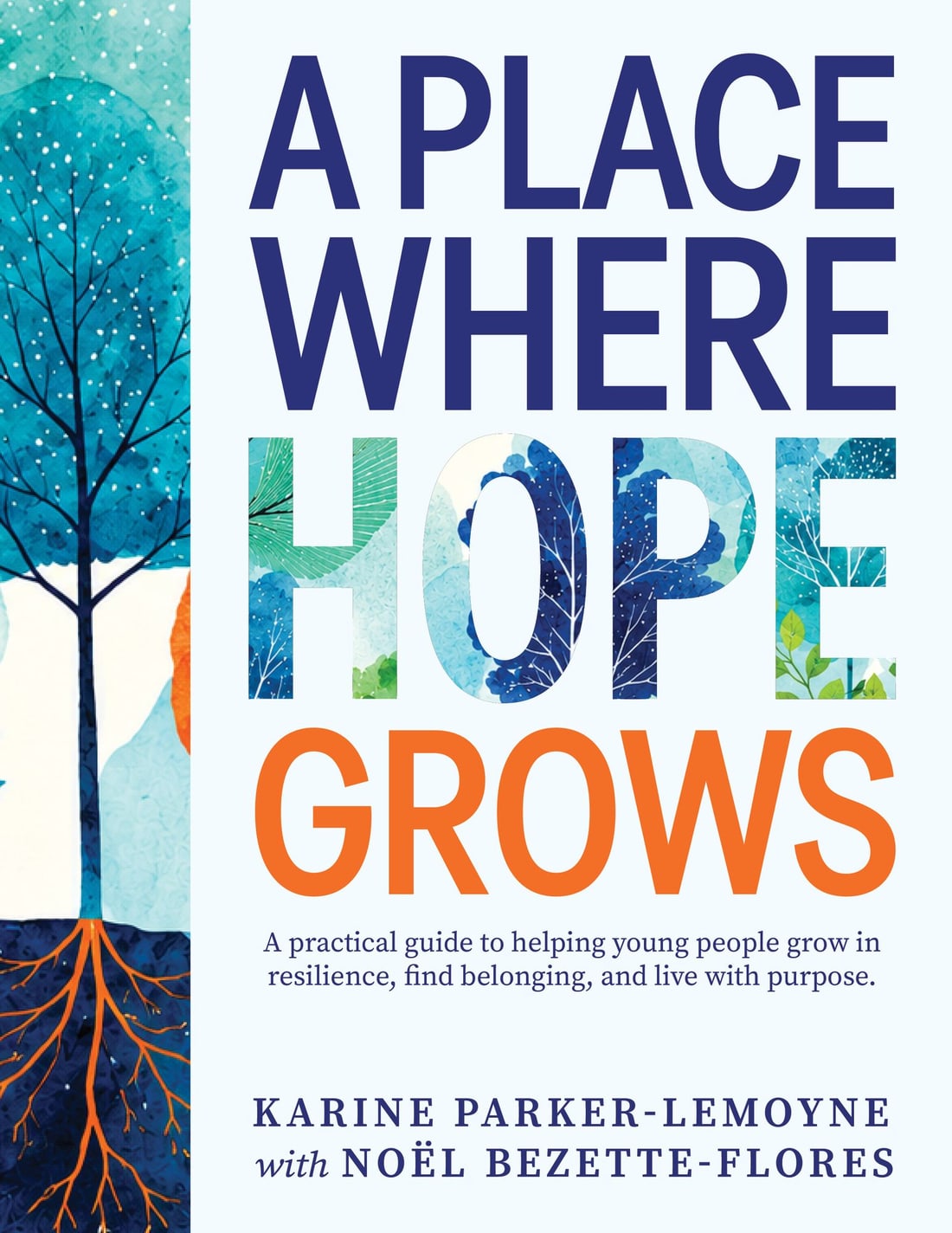
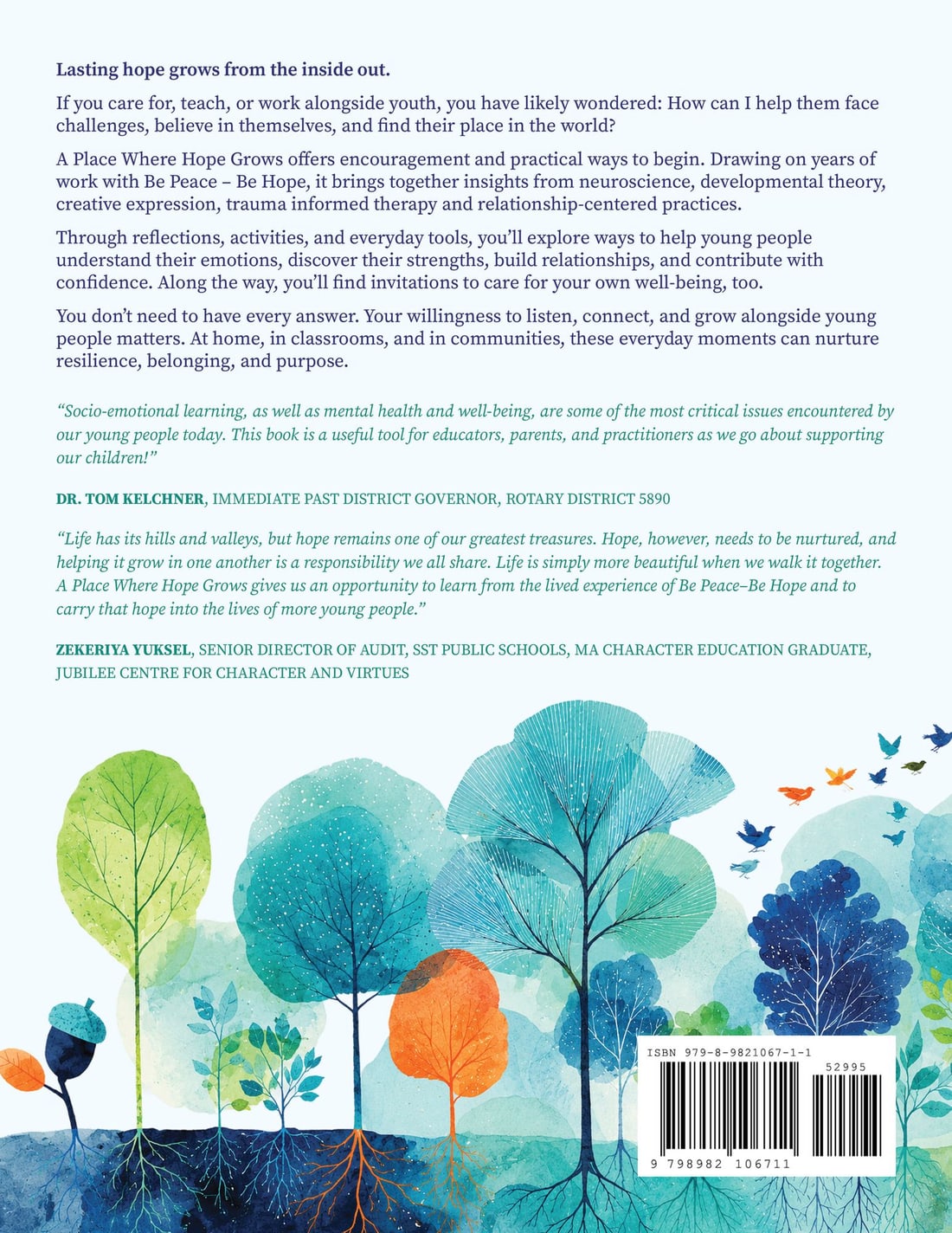

This page gives you four movements. The book gives you the whole tree.
Seed, Roots, Trunk, Branches, Canopy, Forest. The book follows a child's growth through all six stages, with the classrooms, camps, and families where this framework was formed, and the practices that helped adults respond differently. Written for anyone raising, teaching, or caring for young people.