About us

The vision behind our work and the people shaping the future of social-emotional education

Methodology

The research and the practice behind every program we run

Work with us

Give your time, grow a seed of hope

Partners & sponsors

The generous donors who make hope possible

Our impact Ten years of measurable change in young people's lives
Giving back locally Giving back globally
Join the Learning Hub

Giving Back Across the World

Our programs have reached children in refugee camps, orphanages, and schools in Africa (Burkina Faso, Rwanda), India, the Middle East (Iraq, Lebanon), and Europe (France, Greece).

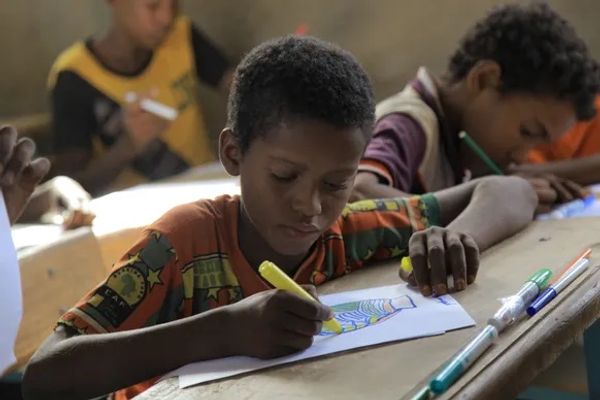
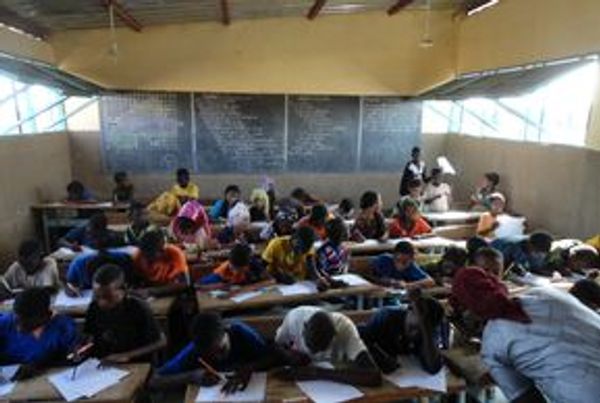
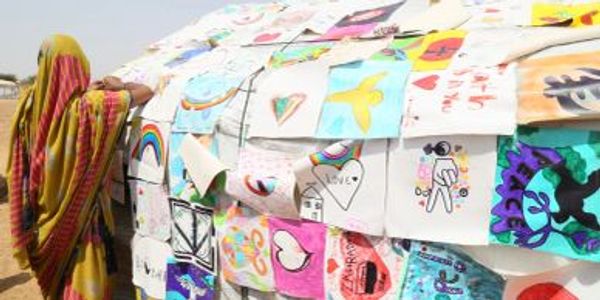
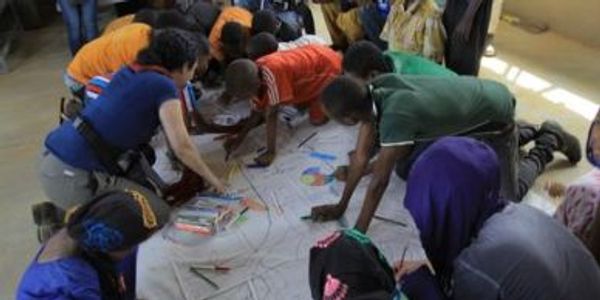
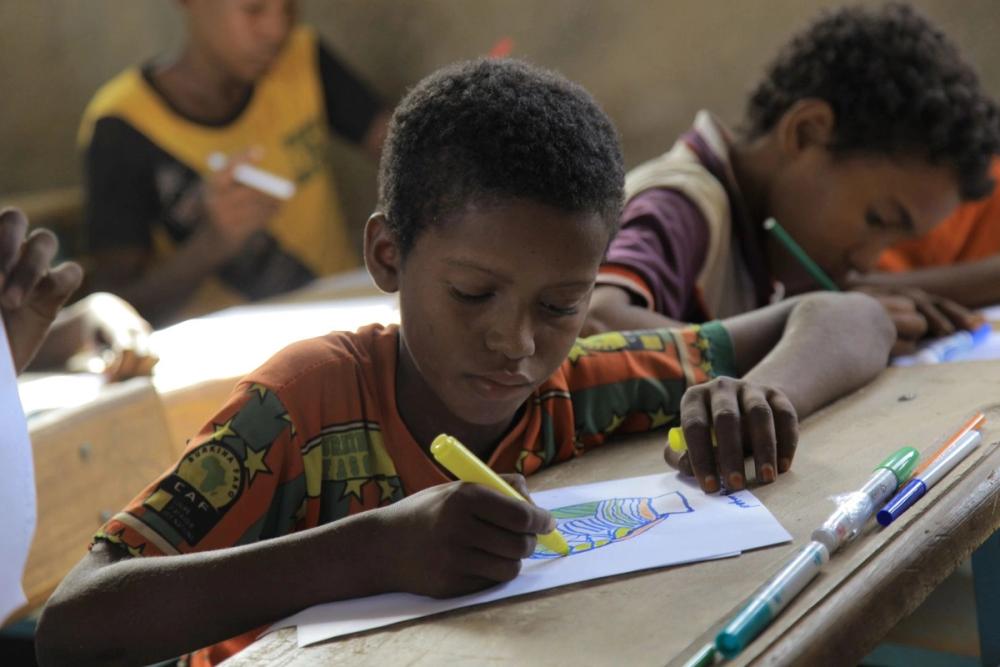
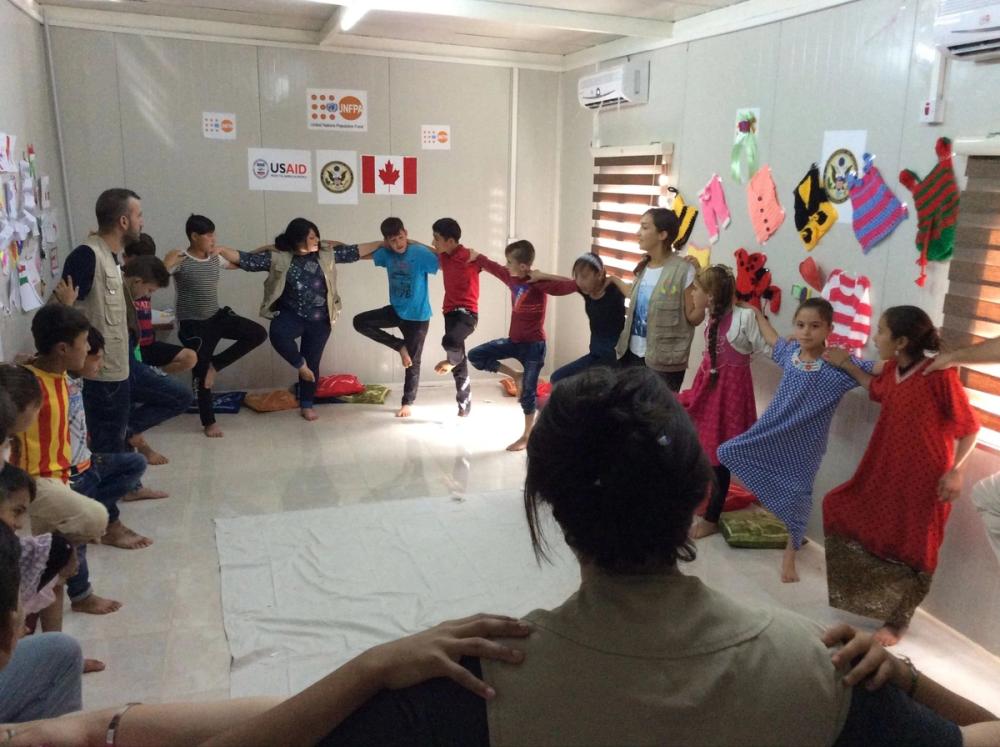
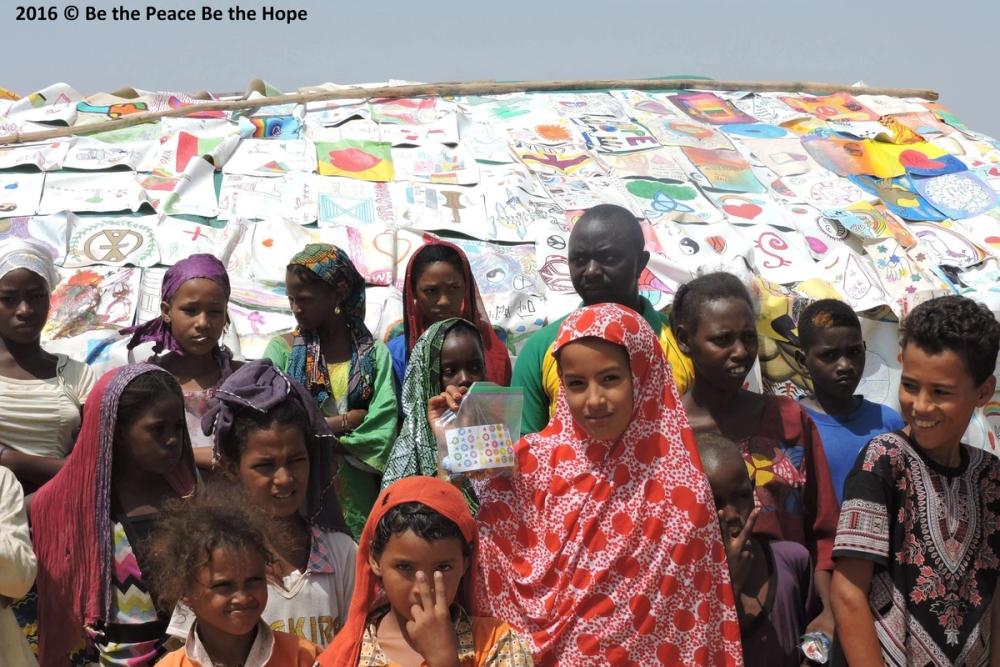
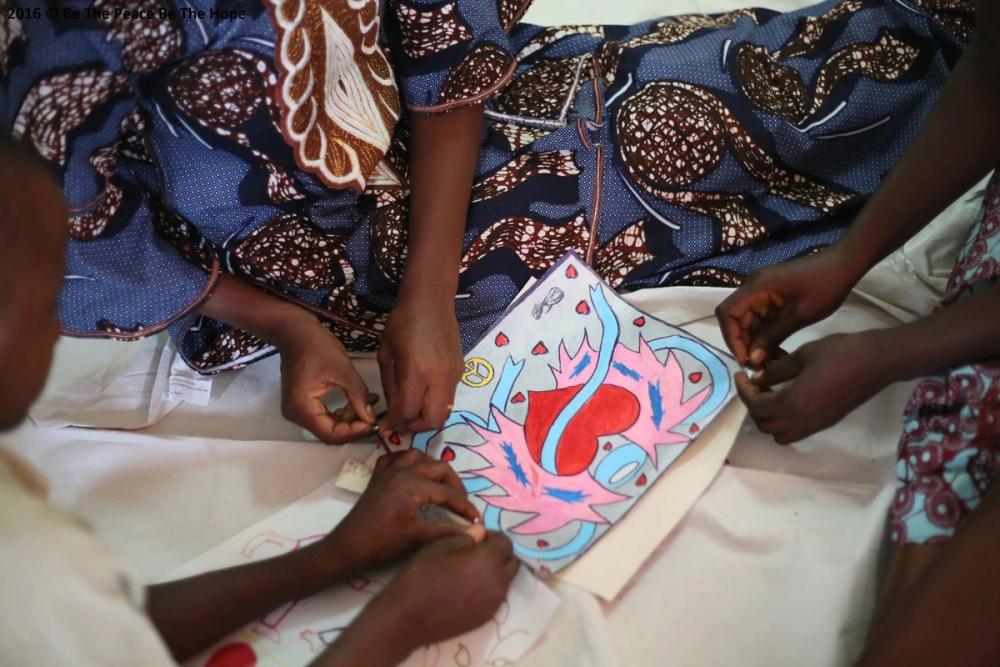
A boy in a refugee camp school drawing with a yellow markerChildren and our team dancing in a circle inside a camp classroomChildren in Burkina Faso in front of a tent covered in paintings of hopeChildren’s hands around a drawing of a heart

Once a year, our team travels to volunteer alongside local and international partners, bringing safe spaces for healing, expression, and hope to children who have lived through war, displacement, and loss.

7
countries
600+
paintings of hope created by Houston youth for children in refugee camps
25
camp educators and psychologists trained to carry the program forward
100%
of Grace House girls said they had more hope after the program

How a healing arts workshop unfolds

From painful memories to hopeful thoughts, every program is shaped by the community it serves. Many of our workshops share these moments:

  1. A safe place to remember.

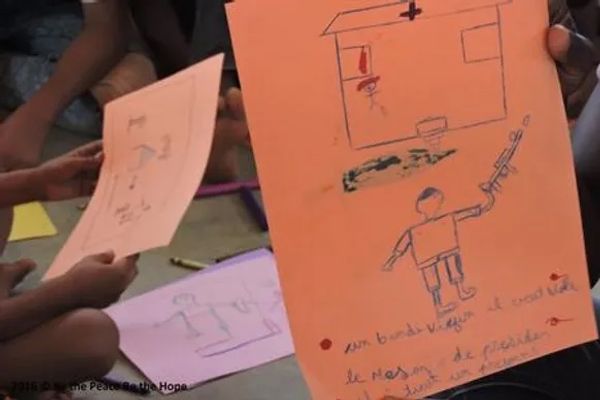
    When asked to draw something they feared, most of the refugee children drew scenes of war they had lived through. We begin by creating a safe space where children can express painful memories, often for the first time.

  2. Moving toward hope.

    Our team and local educators then invite the children to draw what happiness and hope mean to them. Moving from painful memories to hopeful thoughts gives them room to feel safely and to see their own potential.

  3. The Tree of Hope.

    The roots are our values and beliefs, the trunk is who we are, our qualities and talents, and the branches are our goals and dreams, and what we will bring into the world.

  4. A circle of Hope.

    On the last day, we join the children in a large circle and sing "You are the Hope," a song written with the local teachers. The children then walk a path protected by the elders, the teachers, and our team, honoring their journey and offering hope for their future.

Where we've worked

Hope in Burkina Faso

Goudebou and Mentao Refugee Camps · October 2016

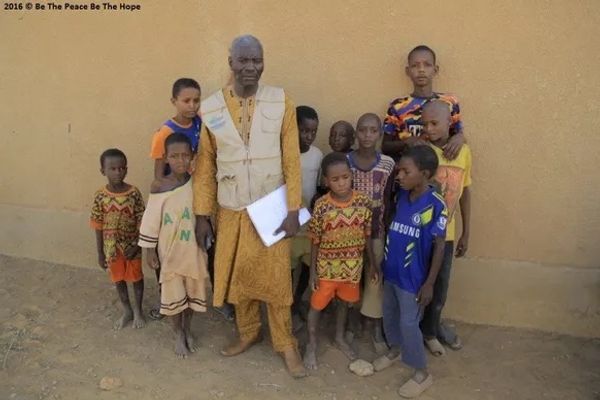
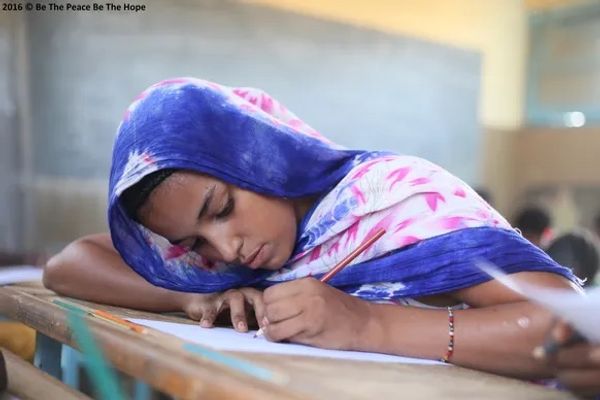
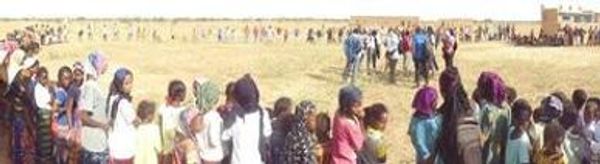
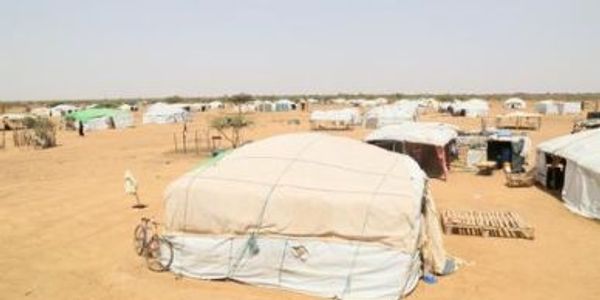
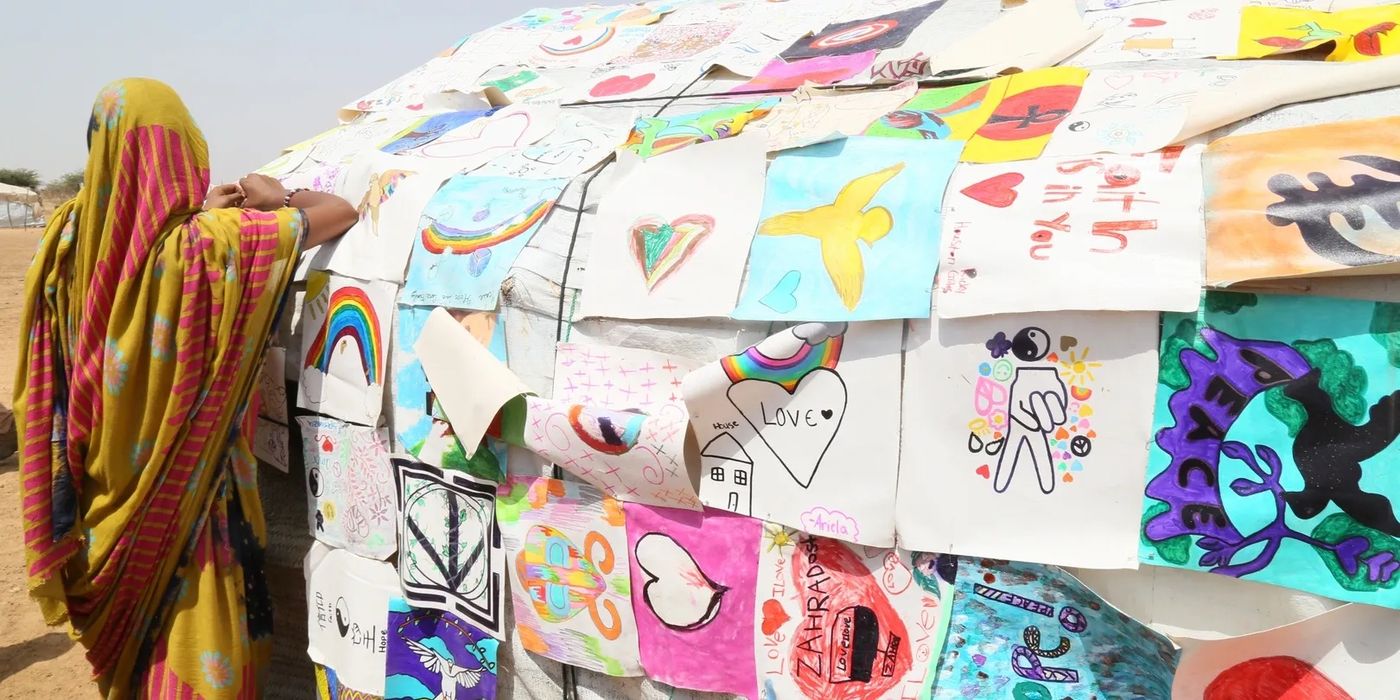
In 2012, two refugee camps opened in Northern Burkina Faso for thousands of Malian families who had fled their homes. At the time, the camps were managed by IEDA Relief and UNHCR with the government of Burkina Faso. In October 2016, our team of 12 educators, art therapists, facilitators, and videographers spent ten days in both camps, home to 30,600 refugees, and trained 20 camp educators to continue the program.

Before the mission, Houston students from 12 schools, four community centers, and 20 Harris County Public Libraries created more than 600 paintings filled with messages of hope and love for the children in the camps.

“It’s going to allow these children to imagine, to have hope… They will understand that they have value; they will understand that they have roots.”
Jolie Guifayou, UNHCR Burkina Faso
A woman beside a tent covered in children’s paintings of hope

Team credits: The Be Peace – Be Hope Team in Burkina Faso included Karine Parker-Lemoyne (Head of the mission) Alicia Campos, Curry Glassell, Eisha Khan, Fadila Kibsgaard, Nishtha Joshi, Leila Kengueleoua, Cecilia Norman, Cynthia Ouedraogo, Naiyolis Palomo, Lex Parker, and Dimitri Pilenko as well as Noel Bezette-Flores, Caroline Edmundson and Britain Venner in Houston.
Cynthia’s story

I want to tell you the story of a little girl named Nuria I met in an orphanage in Burkina Faso while implementing Be the Peace Be the Hope this past December. Nuria is a 6 year-old girl. When we met, I was told that she was mute. So, for the first 2 days of the program she said nothing. She would just smile and nod when spoken to. But the more I observed her, the more I could tell something wasn’t right. I then asked the caregiver if she was born mute. “Has she ever spoken before?” Yes, I was told. “she used to be a very smart and talkative little girl, but she stopped talking after witnessing her mother dying in front of her. Since the death of her mother everyone tried to make her speak but for the last 2 years she had not said any words.

So, touched by her story, I held her as we were about to recreate the circle of trust, and encouraged her to tell me one word, just one word. After 20 minutes of just waiting I asked her “what is your name?” “Nuria” she said so smoothly. I then asked “do you like the work that we are doing with you” “yes” she answered again. After 2 years of silence she said 2 words.

Therefore, Be The Peace-Be The Hope exists. I have seen children as young as 7 express their pain. We help them open and allow peace and hope to occur in their lives. We create a platform for the vulnerable ones who don’t have a voice and yet they are the ones who teach us the most important lessons. They are the future and reaching out to them now and giving them tools that will help them succeed and shape their future is why we exist.

What happens in the life of a child and how they cope with it will determine who they will become tomorrow. We can’t help every child, but we will help as many as we can until the end by being the peace and the hope we wish to see in the world. We all are responsible.

— Cynthia, BPBH team member

Hope in Iraq

Darkar Refugee Camp · September 2017

Invited by the French NGO Elise Care, our team, led by Karine Parker, brought the Educational and Healing Arts Program to the Darkar refugee camp in Northern Iraq, home to 8,000 refugees. Over 16 days in two medical centers, we trained three psychologists and two camp educators, who carried the program forward.

“Perfect program that we really needed… They also found important tools that helped with the healing process.”

Iraqi psychologists trained by Be Peace – Be Hope
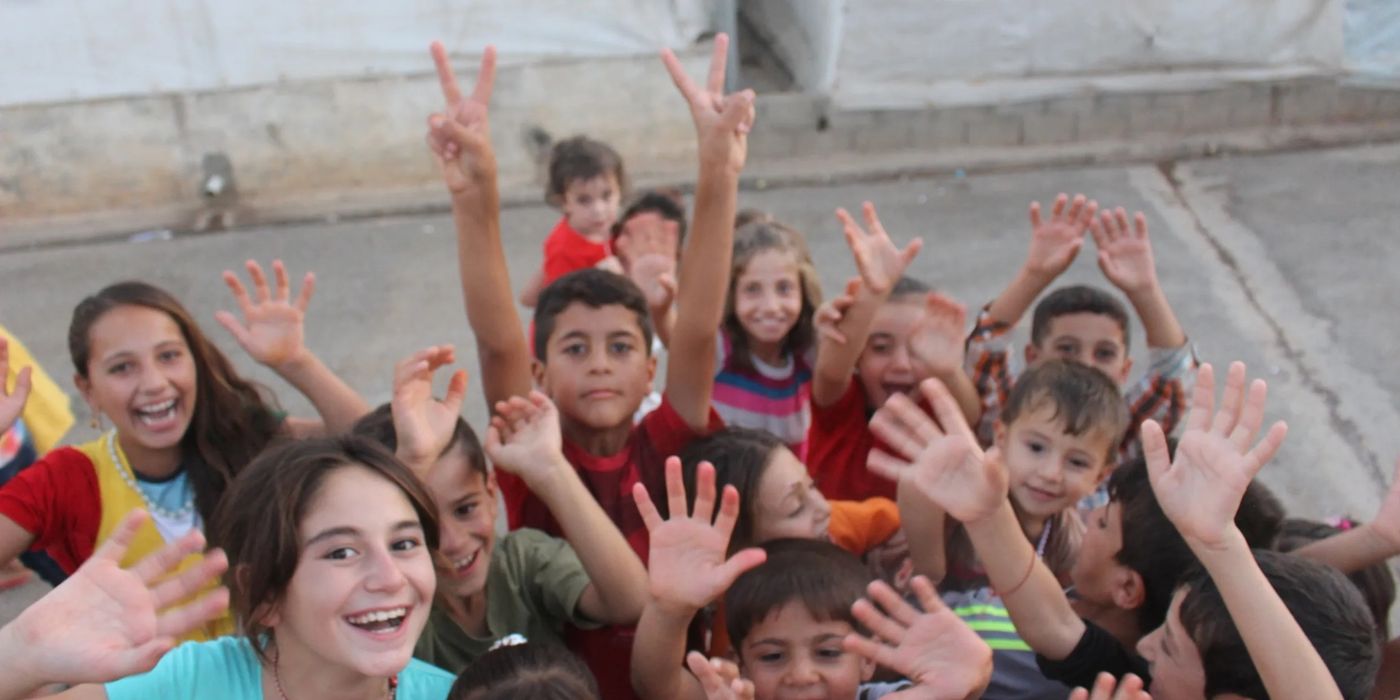
Smiling children in the Darkar refugee camp raising their hands

Team credits: We are very grateful for the support of Elise Boghossian and the Elise Care team in Iraq as well as of Dr. Noel Bezette-Flores, Dr. Nausheen Pasha-Zaidi, Dina Al Bayati, Eisha Khan, and Jade Darwich. They generously assisted Karine Parker in adapting the curriculum and the assessments to the context in Iraq.

Saeed’s story

Saeed shared: “Yesterday I had a weight on my heart and a lot of sadness. Thanks to the Healing Box, I left the sadness behind.” After sharing with us in the healing box activity that he saw his parents die under Isis’s bullets, Saeed broke down. After expressing his sorrow more deeply and being comforted by the team and the children’s community, Saeed started smiling again. Then Saeed helped us in many of the Be the Peace - Be the Hope activities and showed gratitude by putting his hand on his heart to thank us. He told us he found it “very beautiful that we are all united together.”

India

Grace House India · July 2018

Grace House India is a nonprofit home offering sanctuary and full-time care to some of rural India’s most vulnerable girls. We brought our social and healing arts program to 40 girls, ages 6 to 14.

Surveys showed the largest growth in self-efficacy (35.5%), physical and emotional safety (27.5%), respect (22.7%), and resilience (21.5%), along with an approximately 46% decrease in anxiety. Every girl said she had more hope after the program.

“Between the Circle of Trust, the Healing Box and the messages of Hope, we found our girls opening up to each other and the staff on campus in ways they never had before.”

Stacey Smith, Founder, Grace House India
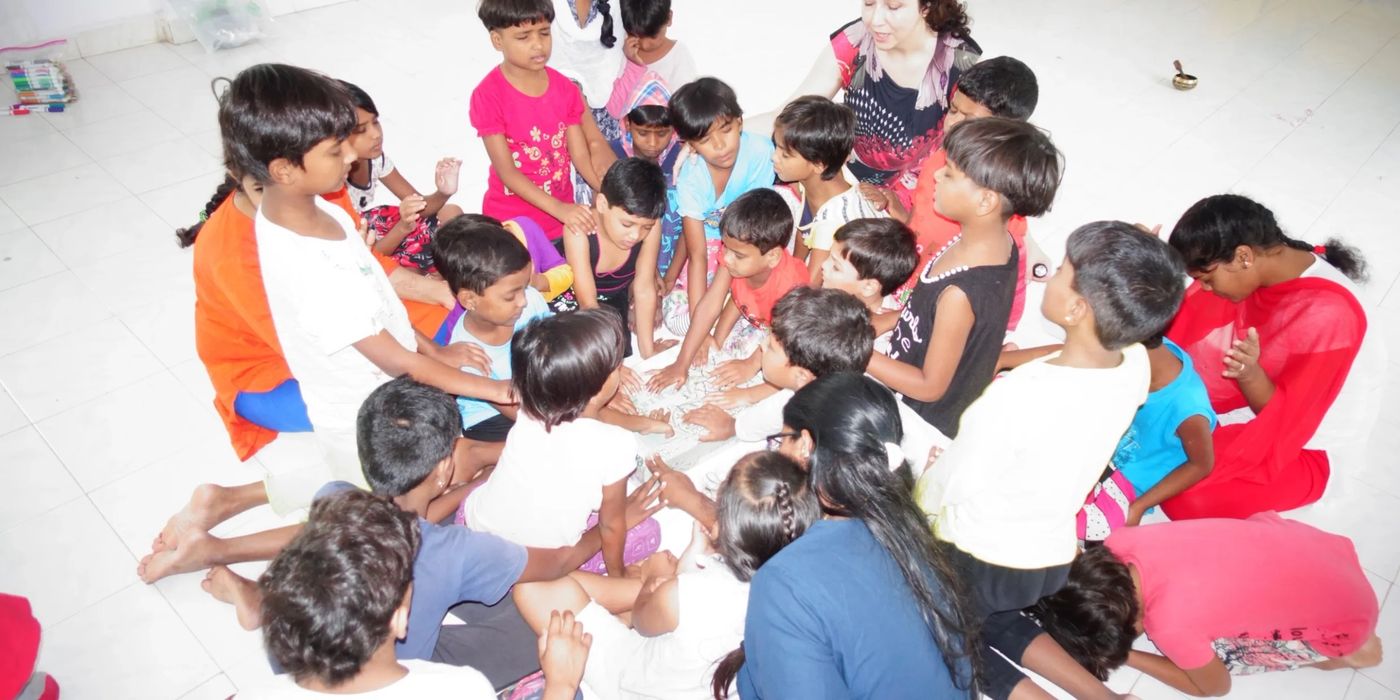
Girls at Grace House India sitting together in a circle

Karine’s story

We go to Grace House India to give support, and then we receive so much more from the children than what we could ever give. So, what I want to share with the people who have not yet visited Gace House, is: “Please go with an open and simple heart so that you can genuinely receive the wonderful love that the Grace House girls have to give. And if you want to discover who the girls are, all you have to do is spend time with them. They have so many stories to share and so many questions to ask too! Look at them in the eyes with a gentle smile, ask questions too (about their favorite color, their favorite animal, etc.), dance with them, sing with them… and listen. This special time spent together and the human connection that it gives life to; this is where love resides.”

— Karine Parker

Bridges of Hope

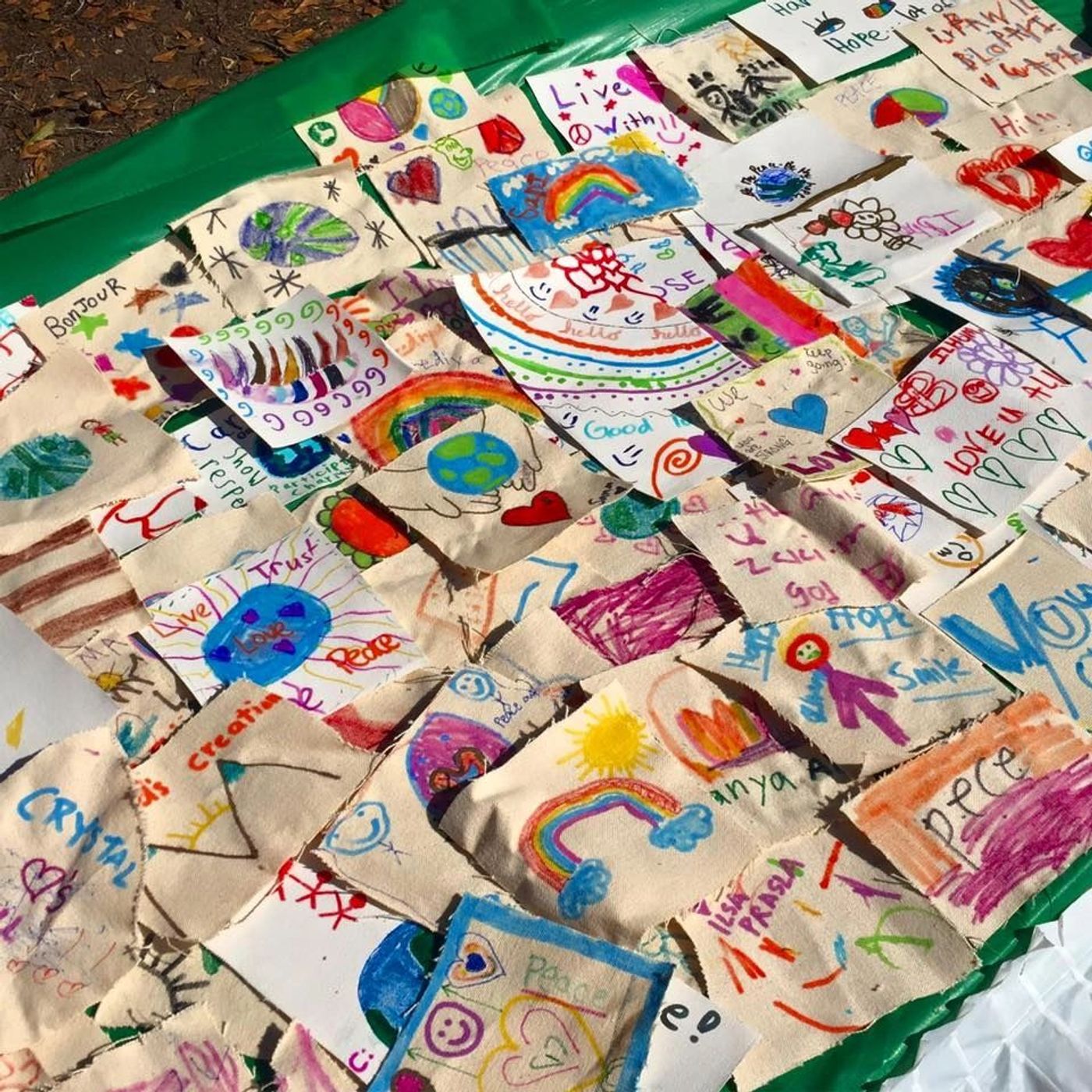
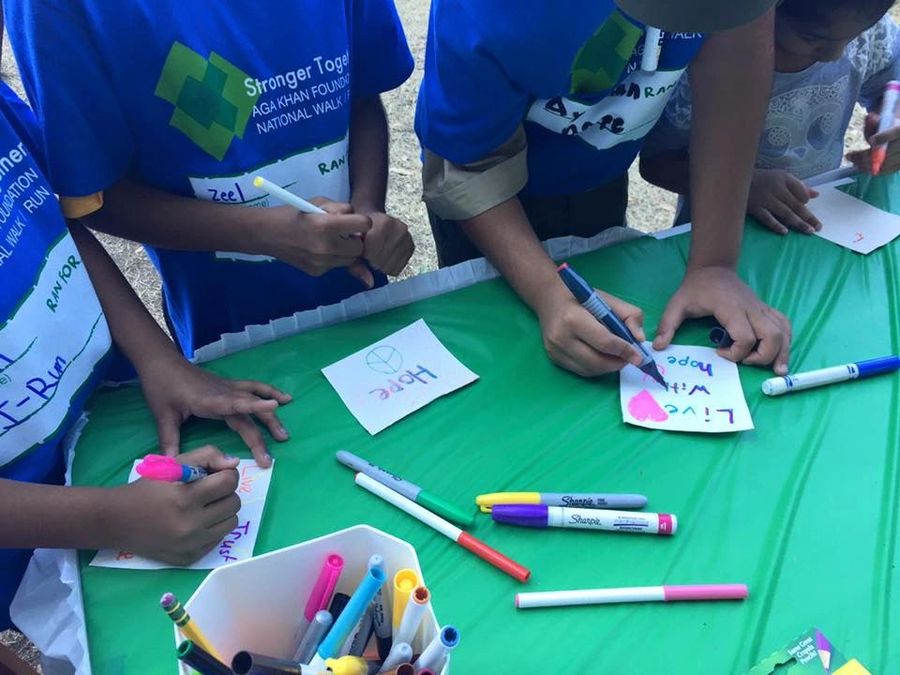
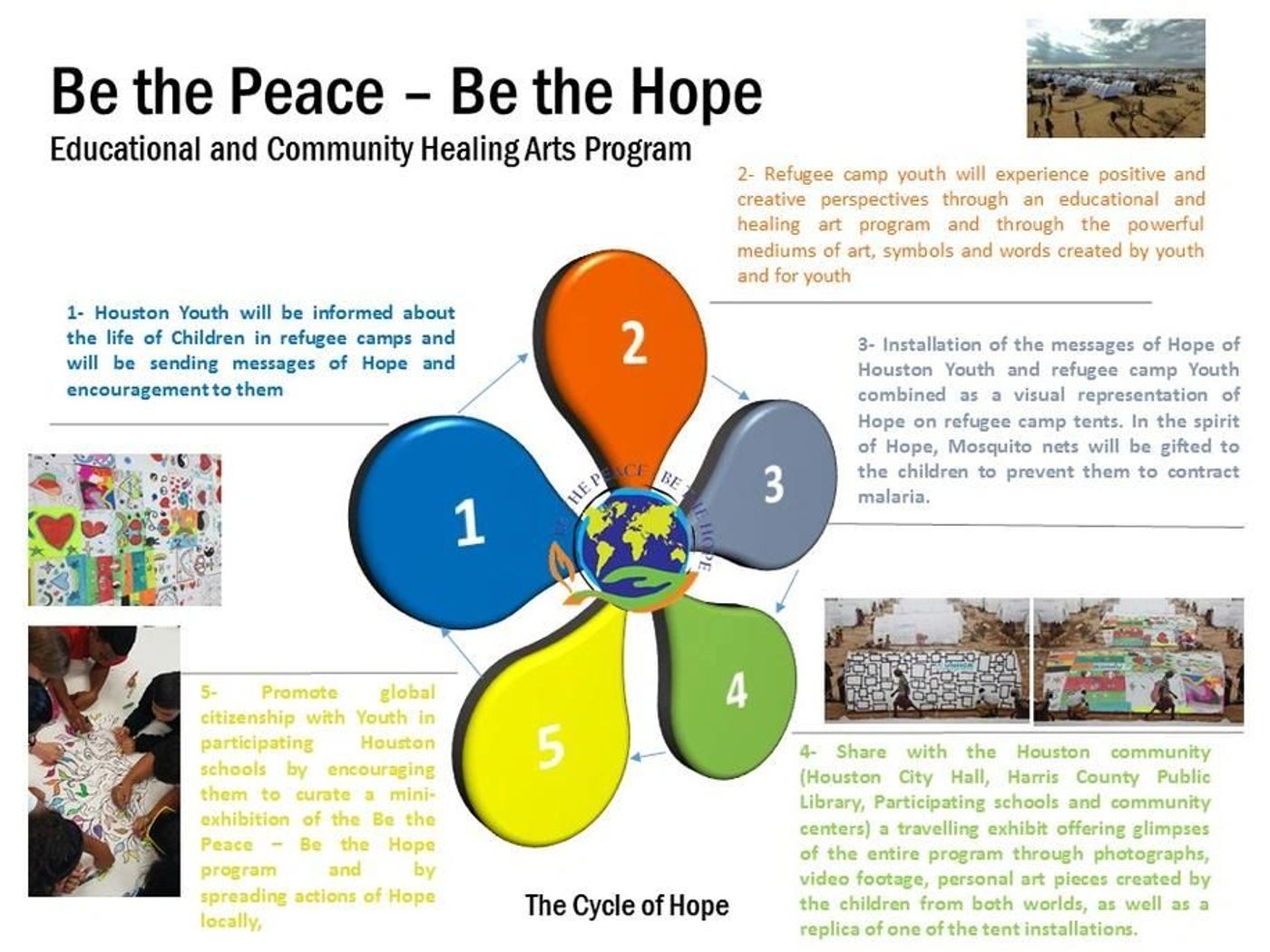
Our program invites youth from our schools and community centers to share a spirit of hope, peace, and care with children in refugee camps and orphanages. Children from both worlds exchange drawings and words that matter to them, combined into art quilts that brighten tents in the camps, educate, and inspire hope.

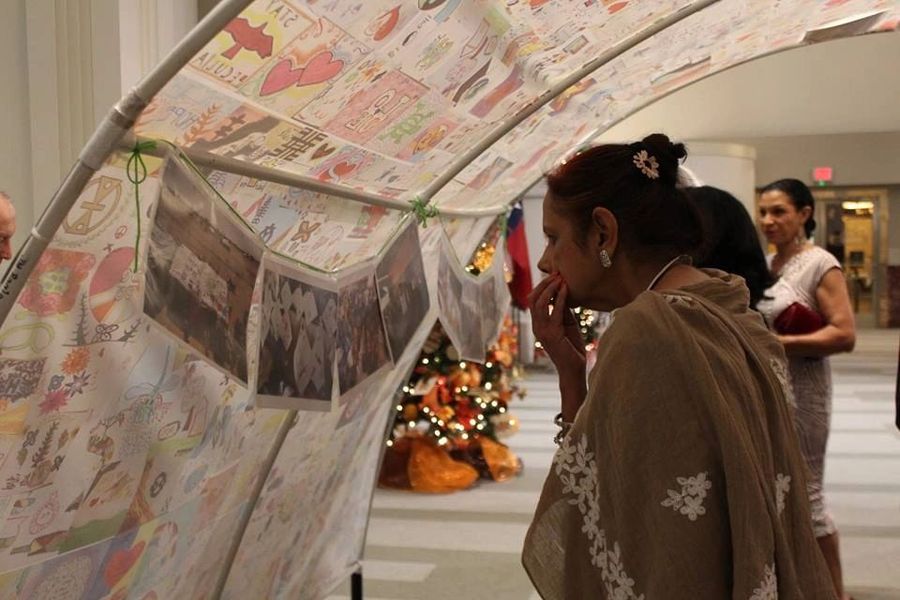
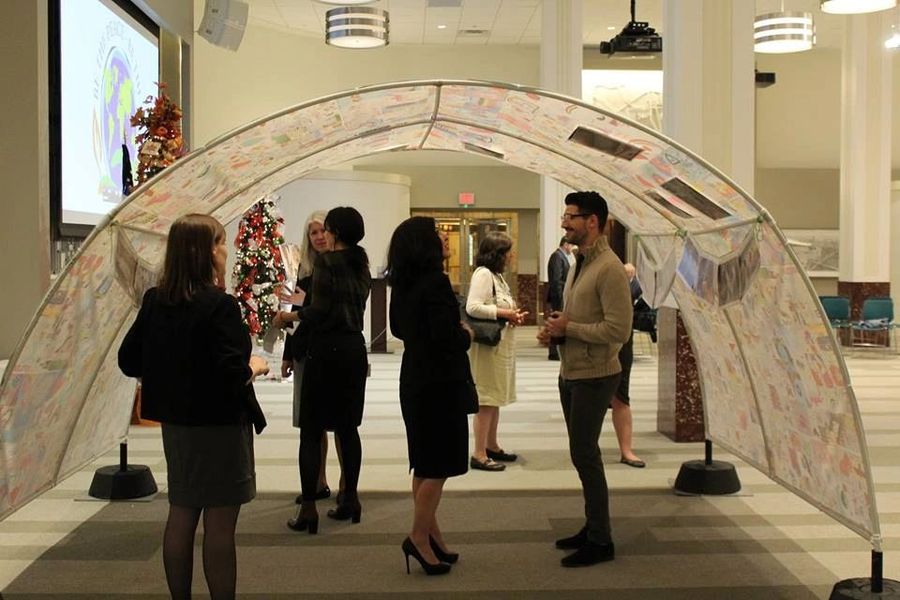
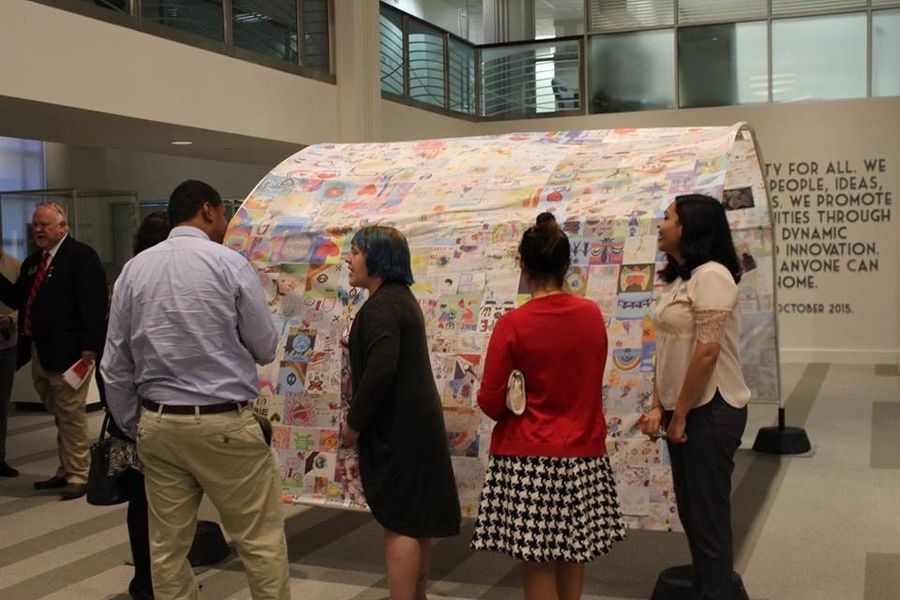
Back in Houston, traveling exhibitions carried the journey to Houston Public Libraries, Harris County Library, participating schools, and the tunnel at Houston City Hall, alongside a replica “hope tent” shown in outdoor spaces around the city.

Once Upon a Hope / Il était une fois l’espoir. During the 2017 French Cultures Festival, the Texan-French Alliance for the Arts, French Education Greater Houston, The Wide School, Eagles on the Rock, and Mark White Elementary came together to create an exchange of stories of hope, in French and English, between children in Houston and children in Burkina Faso.

Through these exchanges, children build bridges between cultures, planting seeds of hope at home and sharing them across oceans, where they can take root and grow even further.

An art quilt of drawings and messages of hope made by Houston children
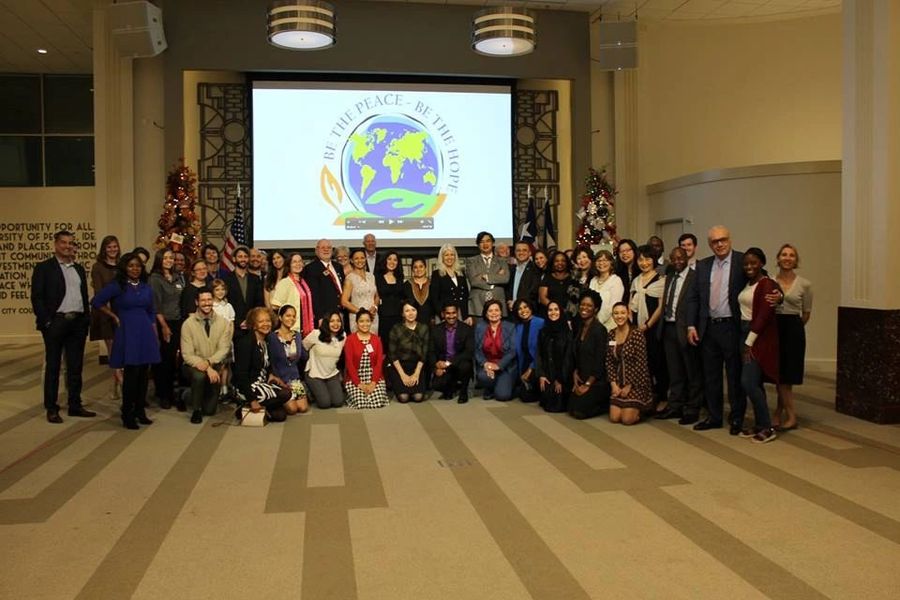
A visitor looking at the hope tent covered in children’s artHouston children writing messages of hopeGuests at the hope tent exhibitionPartners and supporters gathered at the Bridges of Hope exhibitionVisitors at the hope tent in Houston
The Cycle of Hope: Houston youth send messages of hope, camp youth create art in response, the two are combined in the camps, and the journey is shared back in Houston

Help hope travel further