Well-being is the ground learning grows from.
For more than ten years, Be Peace – Be Hope has partnered with schools and educators to help young people strengthen well-being, confidence, relationships, and the life skills they need to learn, thrive, and contribute.
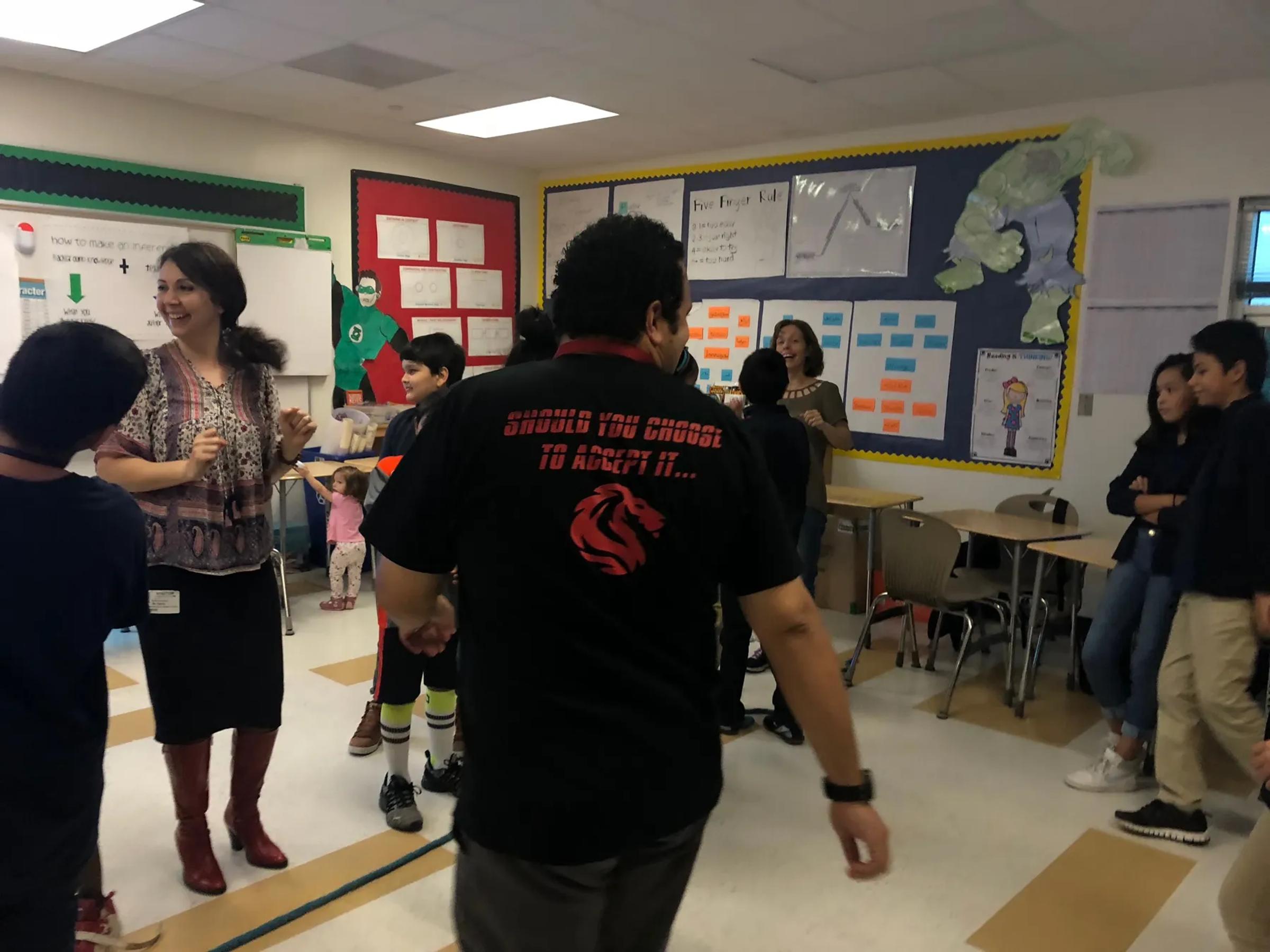
Our programs have reached thousands of young people and families across more than 70 schools and learning communities, while equipping more than 1,000 educators with practical tools to support their own well-being and strengthen student well-being, relationships, and learning.
 Schools & Educators
 What your teachers are carrying
Every day, educators are asked to teach while also responding to stress, behavior, conflict, disengagement, and the many challenges young people bring into the classroom.
At the same time, many teachers are navigating their own exhaustion and pressure.
That is why our work supports the adults as well as the young people.
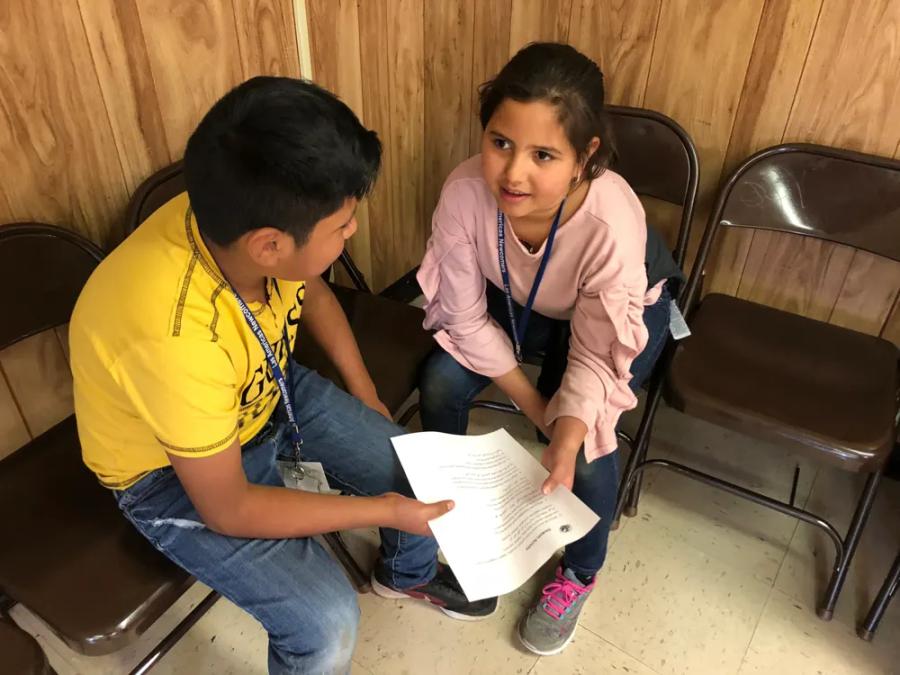
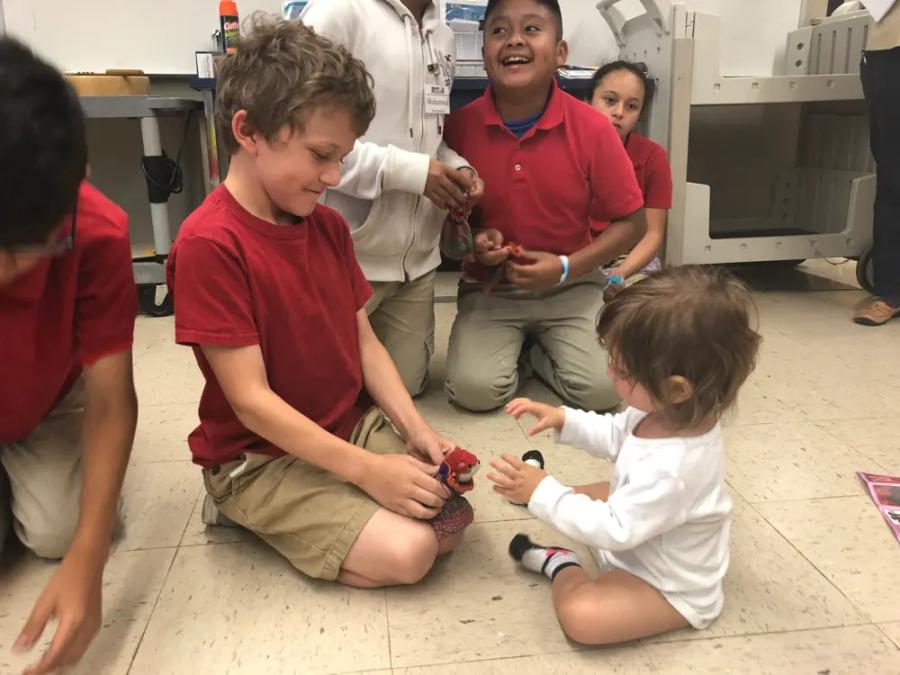
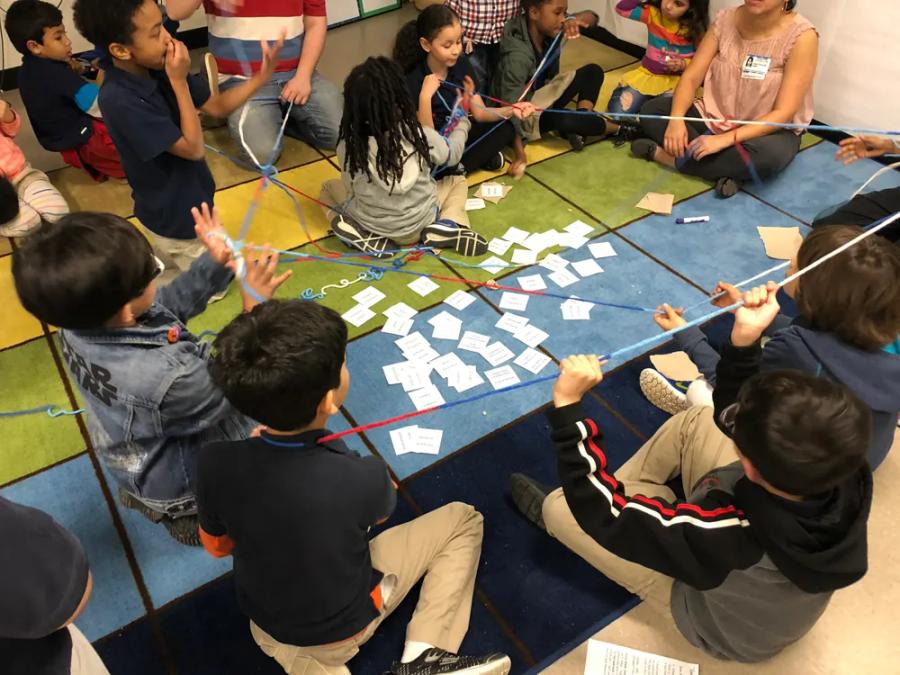
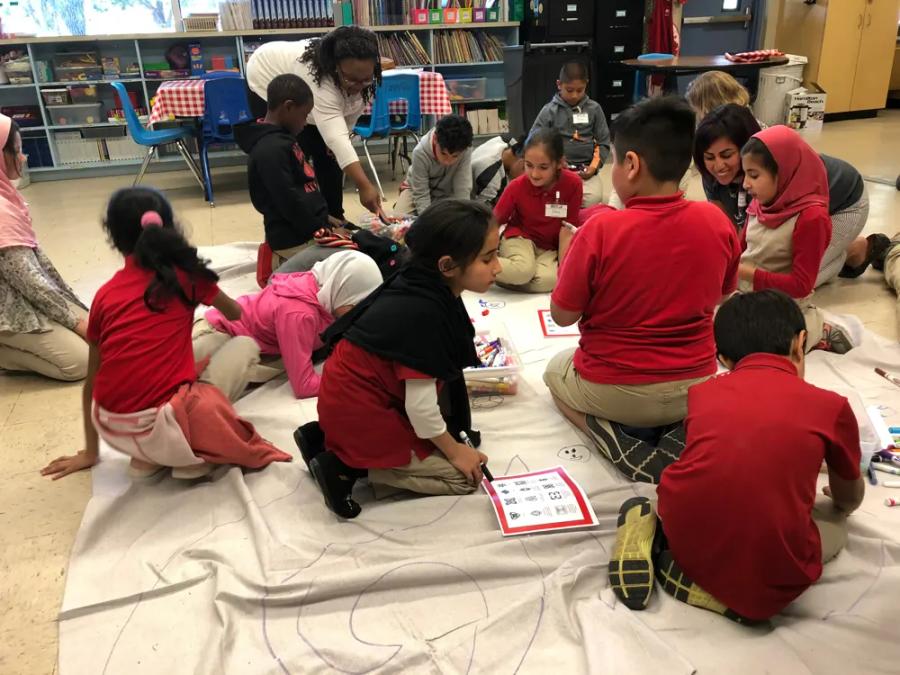
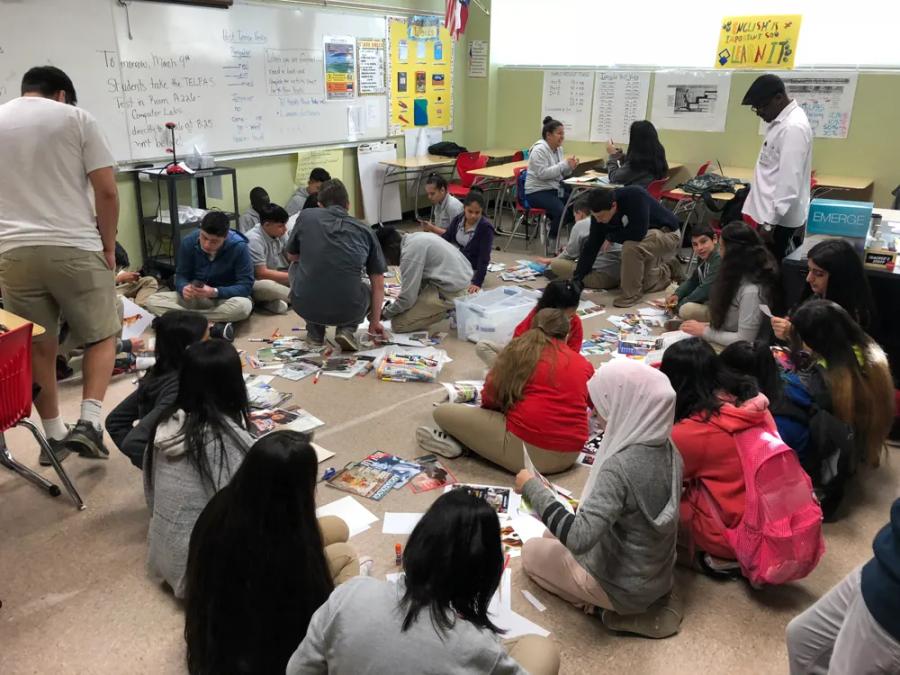
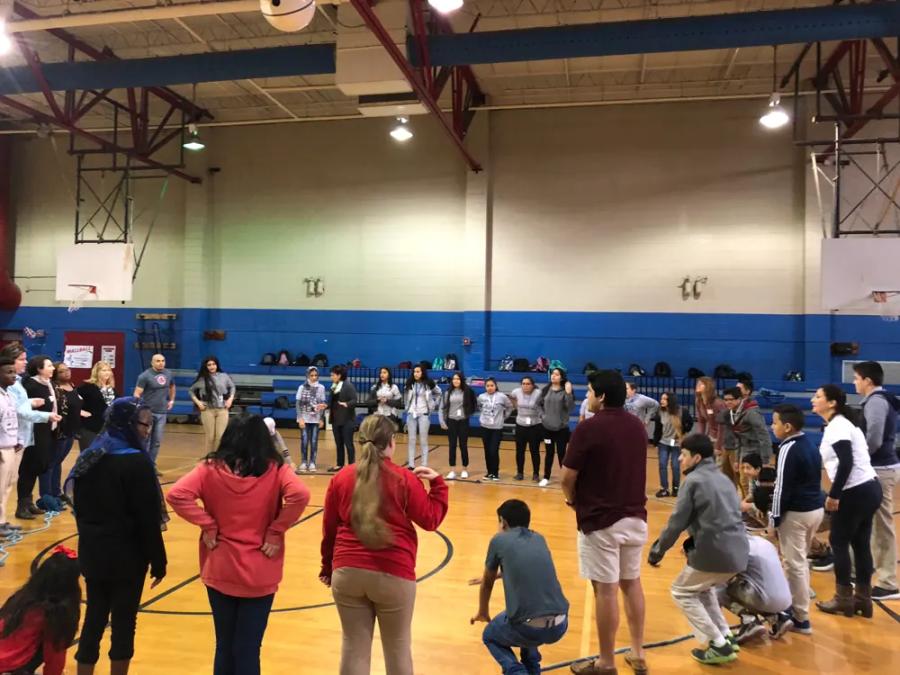
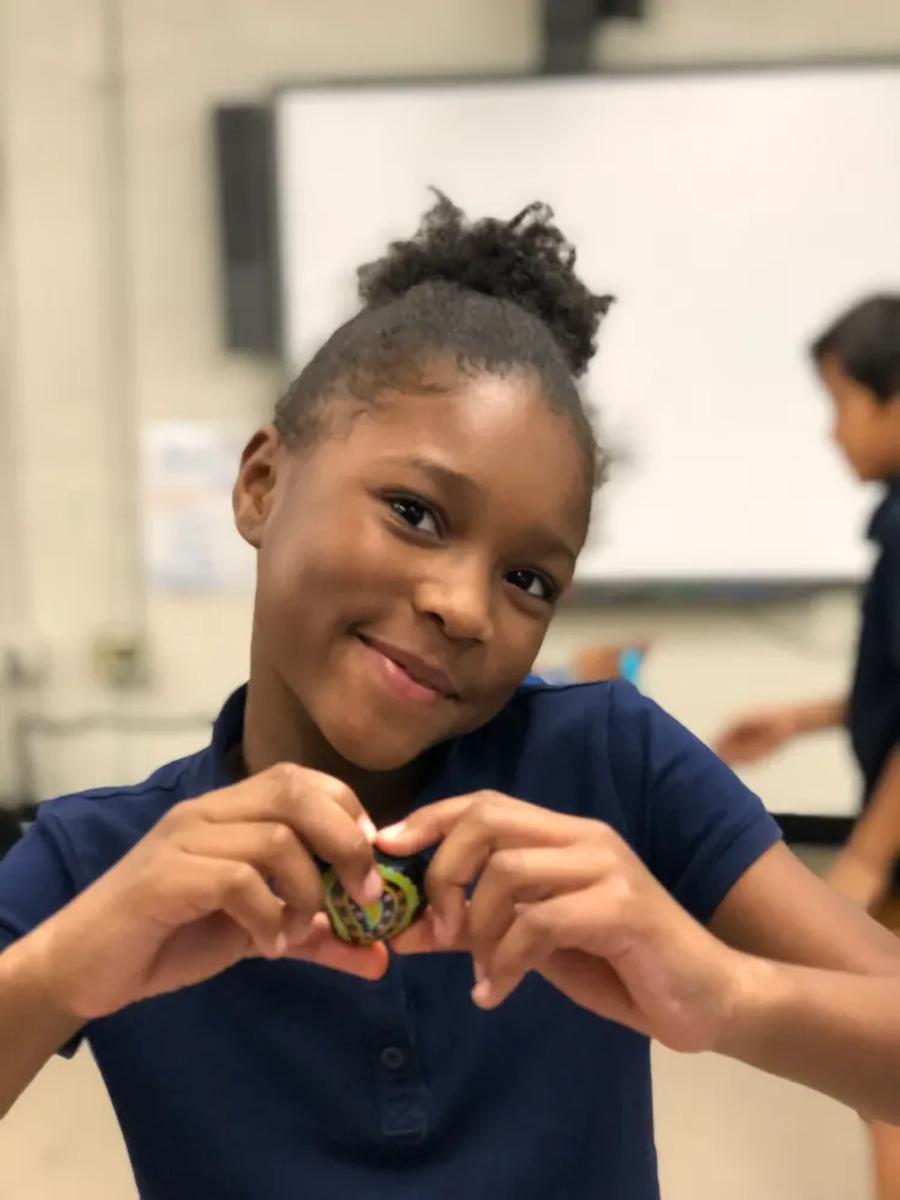
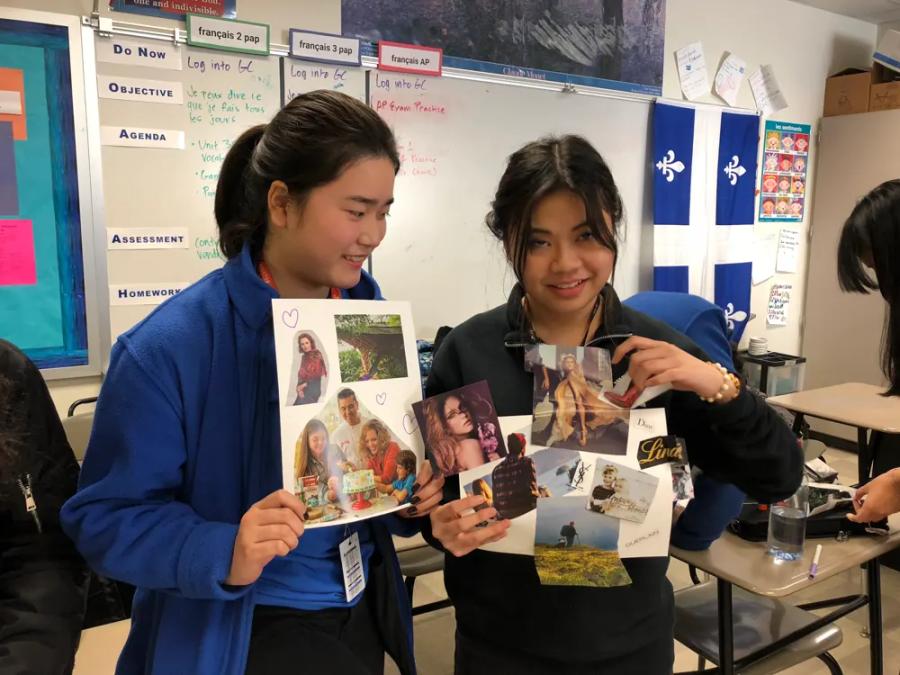
When educators have practical tools to understand and regulate themselves, they are better equipped to create classrooms where young people can feel supported, connect, and learn.
Well-being is not separate from learning.
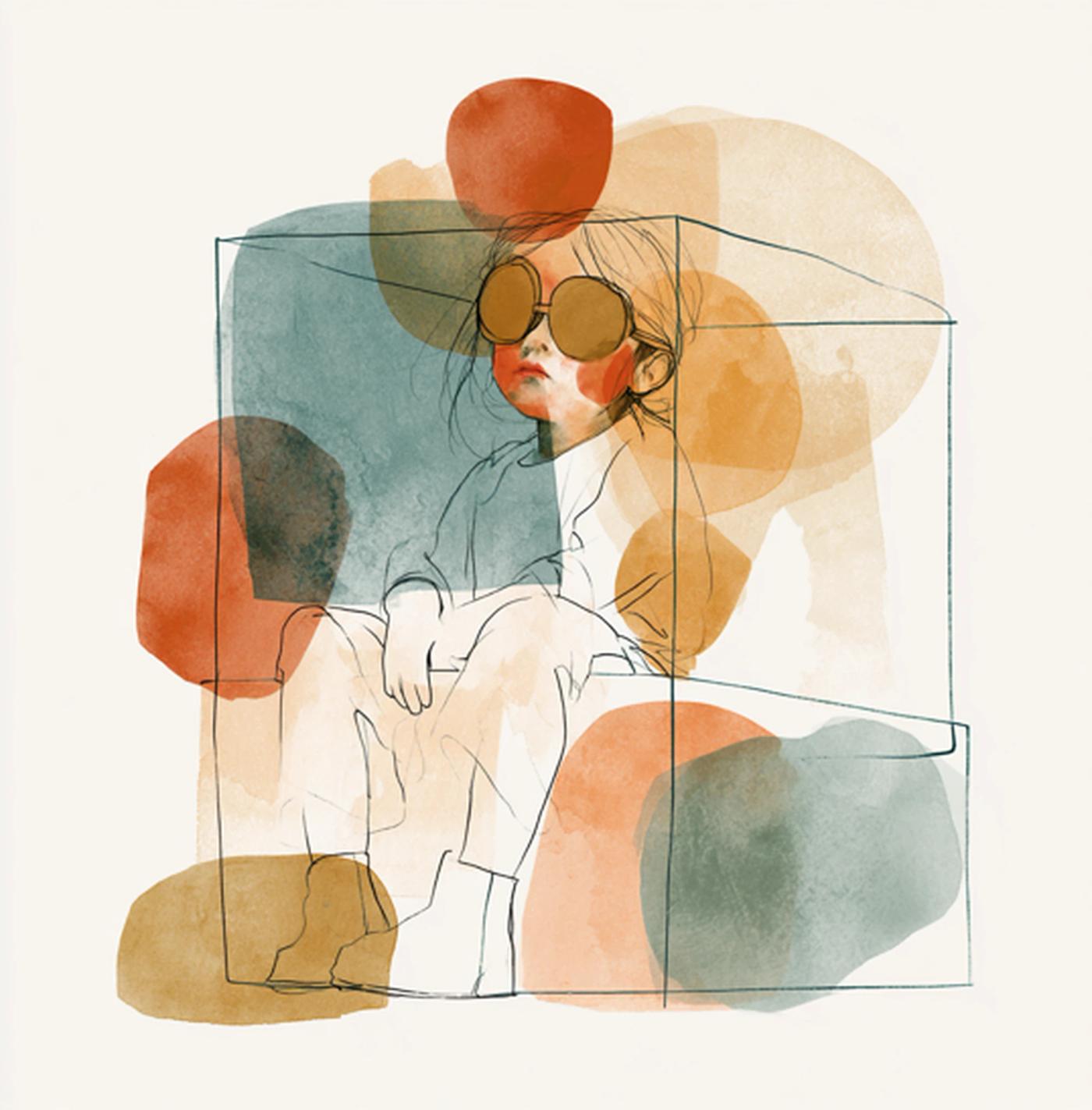
Stress and instability are increasingly part of young people's everyday lives. Social media, constant connectivity, comparison, academic pressure, conflict, and uncertainty can make it difficult for students to switch off and regain a sense of balance.
When young people are overwhelmed or their nervous systems remain on high alert, it can become harder to focus, remember, make thoughtful decisions, regulate emotions, and connect with others.
That is why well-being and life skills are not an addition to academic learning. They help create the conditions students need to learn, grow, and succeed.
They help create the conditions in which learning can happen.
What we bring into a school
Every school is different. We begin by listening to your needs, then build the format that fits your students, educators, schedule, and goals.
-
School-Wide Programs
A comprehensive approach that can combine student programming, educator training, implementation support, resources, and impact measurement across an entire school community.
-
Yearlong Programs
Weekly learning experiences throughout the school year, with opportunities for students to practice their skills and develop a youth-led community or solidarity project.
-
Semester Programs
A five-month sequence of weekly workshops that can be integrated into advisory, enrichment, elective, or designated student-development time.
-
After-School & Community Programs
Extended programming delivered after school or through community-based learning environments, typically over several months.
-
Workshops, Intensives & Camps
Shorter experiences designed around a specific need, population, transition, or time of year.
Programs can be delivered in person and digitally and adapted for young people from elementary school through young adulthood.
Where appropriate, programs include needs assessments, pre- and post-program surveys, practical resources, and tools participants can continue using after the program ends.
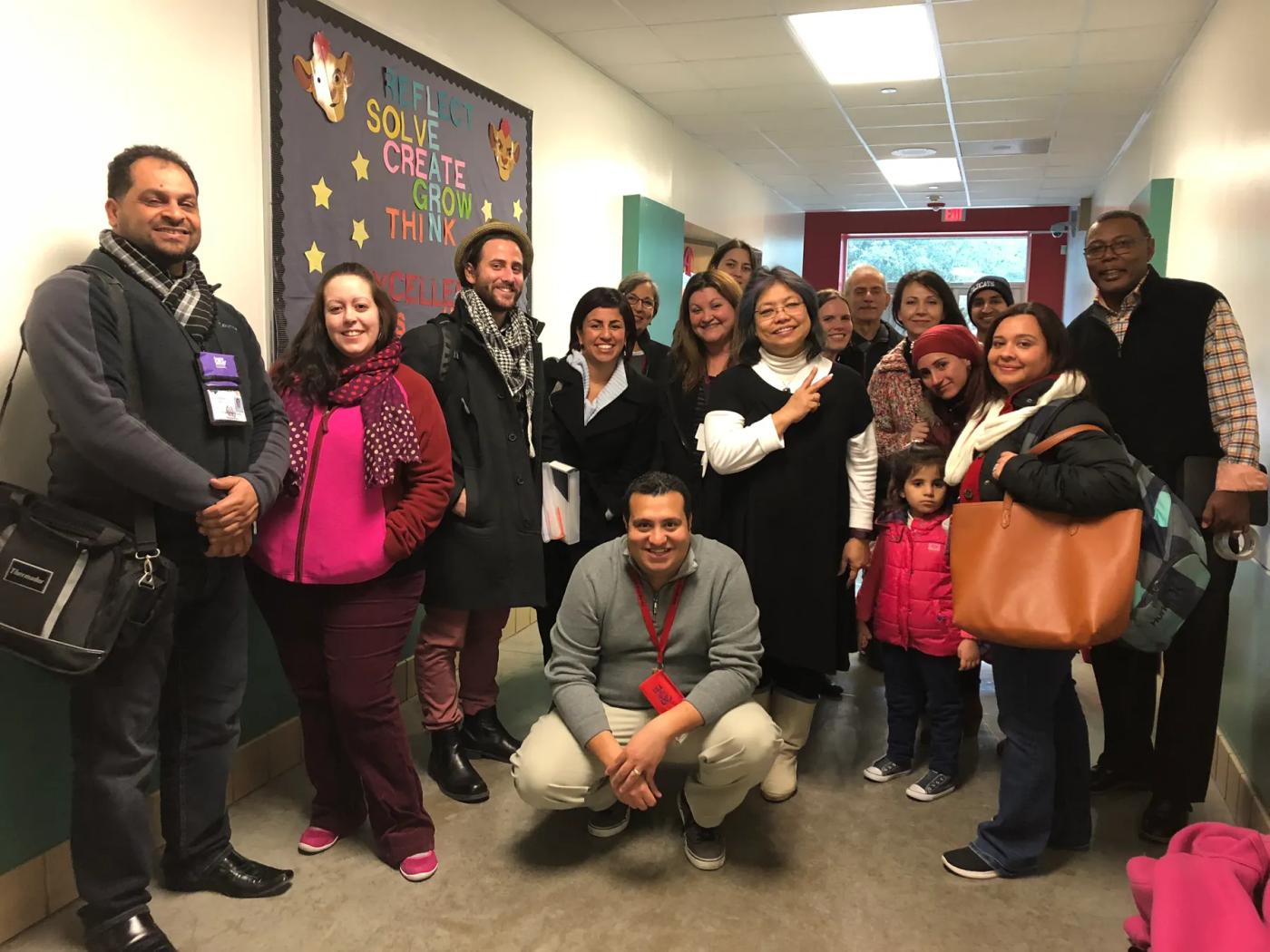
We equip your educators, too
Lasting change grows when the adults have the tools too.
We do not simply enter a school, deliver a program, and leave.
Our professional development helps educators experience the practices for themselves first, then learn how to use them with students in ways that feel natural, practical, and relevant to their classroom.
Training can include:
- one-, two-, or three-day professional development experiences
- a pre-training survey to understand staff needs and priorities
- practical tools for emotional regulation, communication, relationships, confidence, and classroom culture
- facilitator guides, presentations, handouts, and digital resources
- opportunities to practice the tools before using them with students
- post-training evaluation
- continued access to resources and support after the training ends
For schools seeking deeper implementation, Be Peace – Be Hope can also provide a facilitator certification pathway so trained members of your team can deliver selected programming within your own school community.
The approach is simple:
-
Experience it yourself.
Learn tools that support your own well-being, relationships, and ability to respond under pressure.
-
Bring it to your students.
Translate those same tools into developmentally appropriate practices for the classroom.
What does a workshop actually look like?
Feel it. Understand it. Create with it. Practice it. Use it.
A Be Peace – Be Hope workshop is not a lecture and it is not just a conversation about feelings. Each experience brings together neuroscience, mindfulness, creative expression, relationships, and real-life practice so participants can understand what is happening inside them—and learn what they can do with it.
-
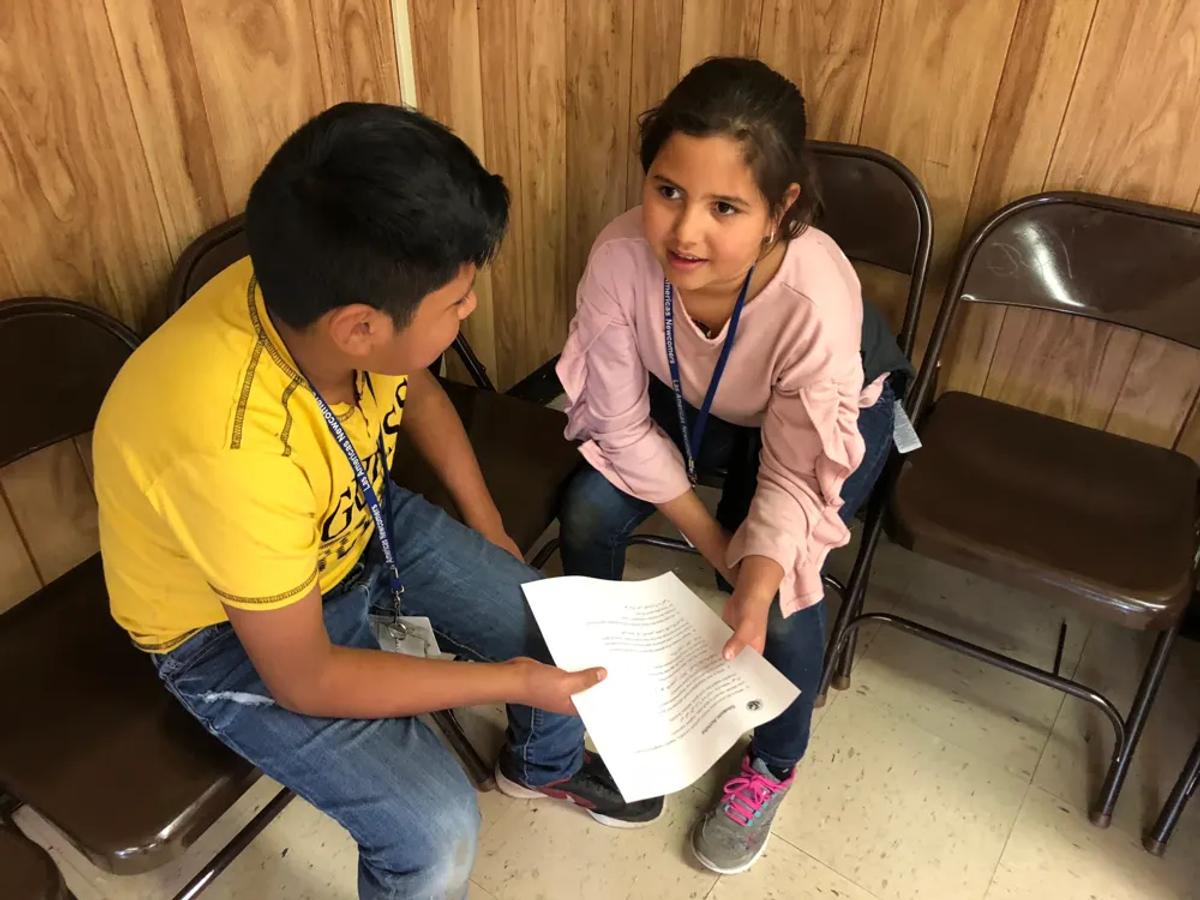
Arrive & Notice
Participants begin by checking in with themselves: What am I feeling? What is happening in my body? What do I need right now?
-
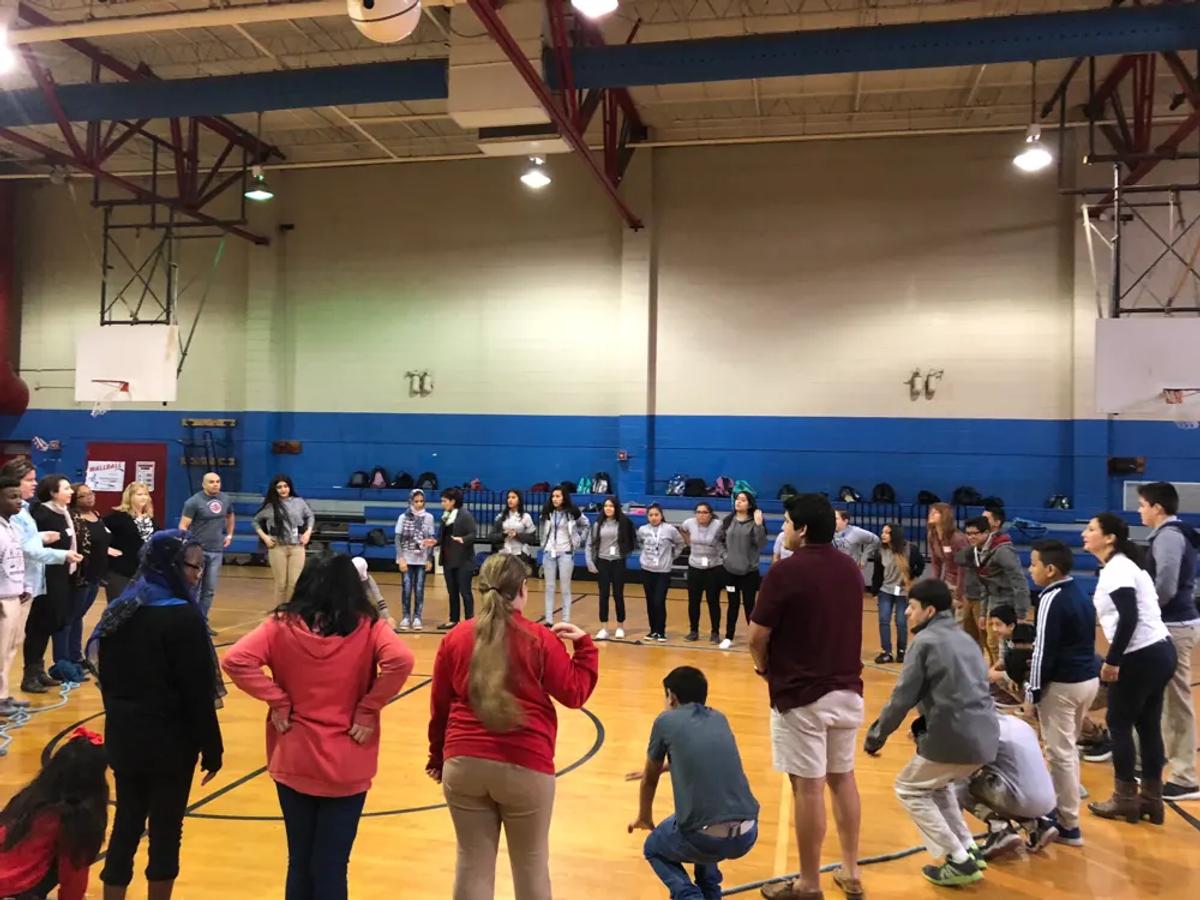
Reset & Reconnect
Breathing, movement, grounding, rhythm, or mindfulness practices help participants become more present and ready to engage.
-
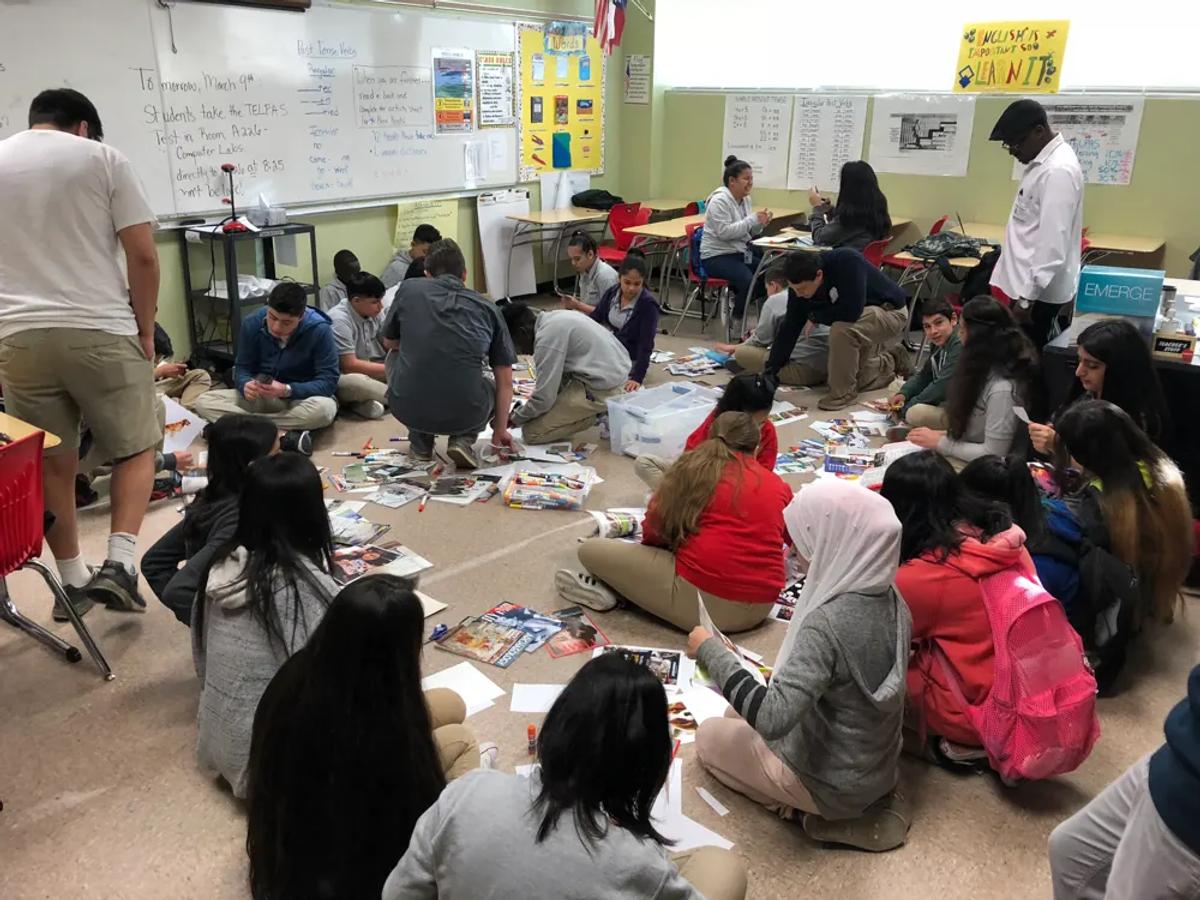
Understand
A practical idea about the brain, emotions, stress, confidence, relationships, or decision-making gives participants language for what they are experiencing.
-
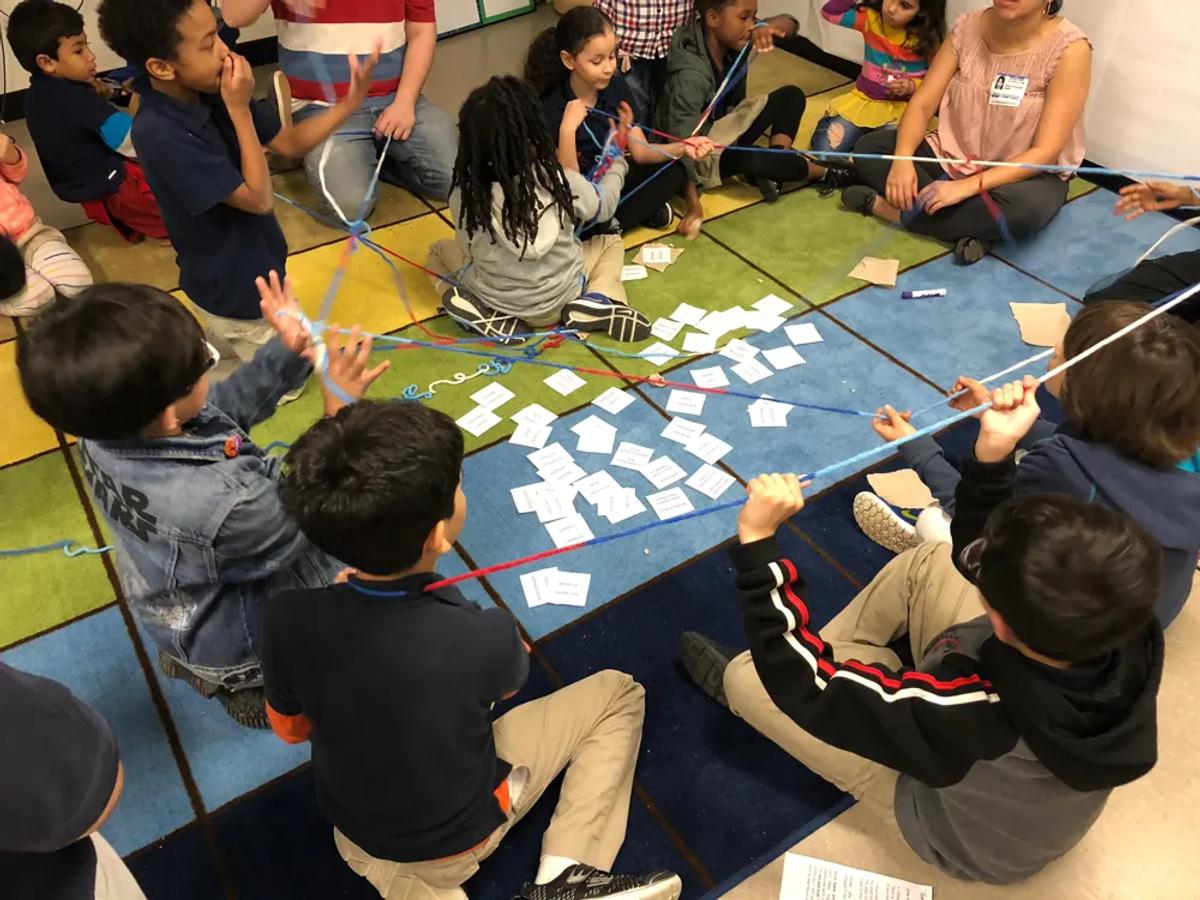
Explore Through Creativity
Art, storytelling, movement, music, games, and hands-on activities help turn abstract ideas into something personal, memorable, and meaningful.
-
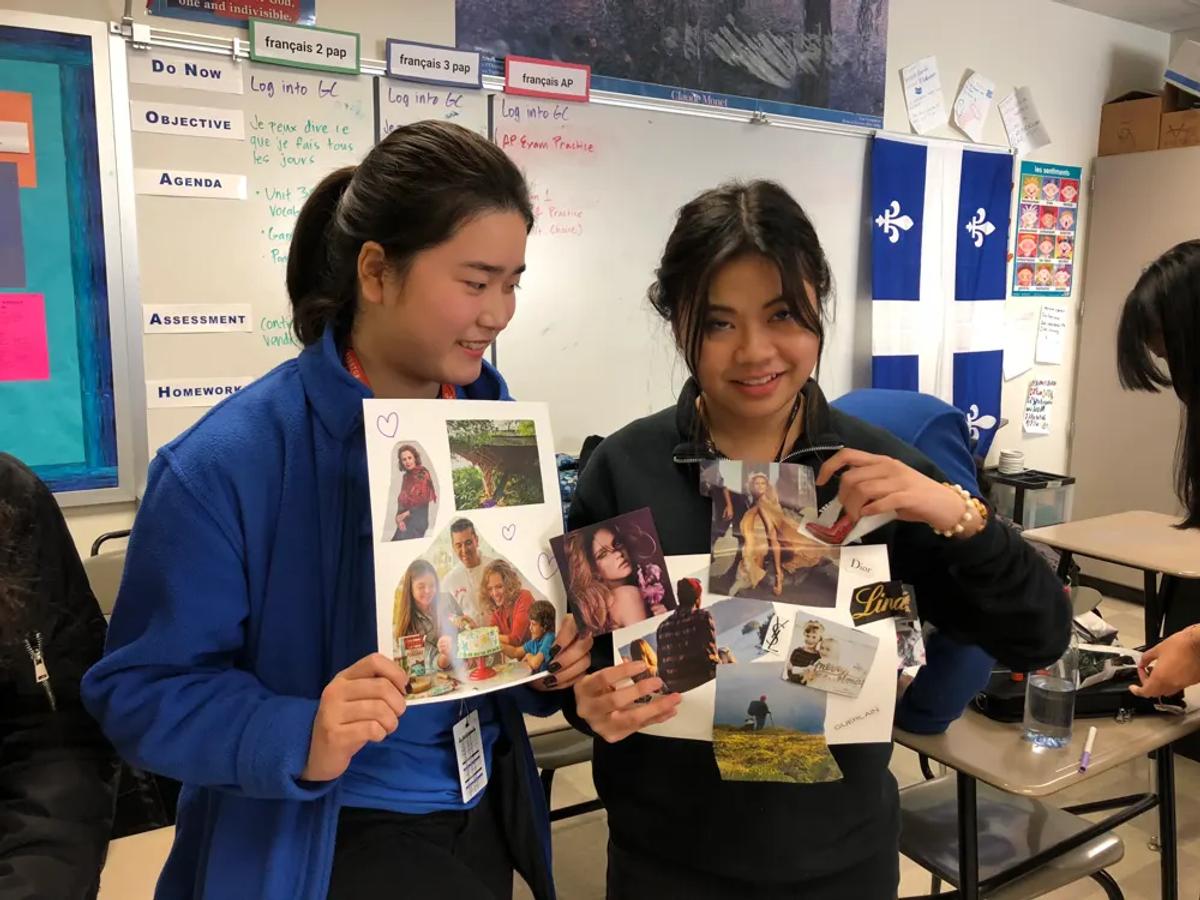
Practice in Real Life
Participants use role-play, challenges, conversations, and realistic situations to try new responses before they need them in a difficult moment.
-
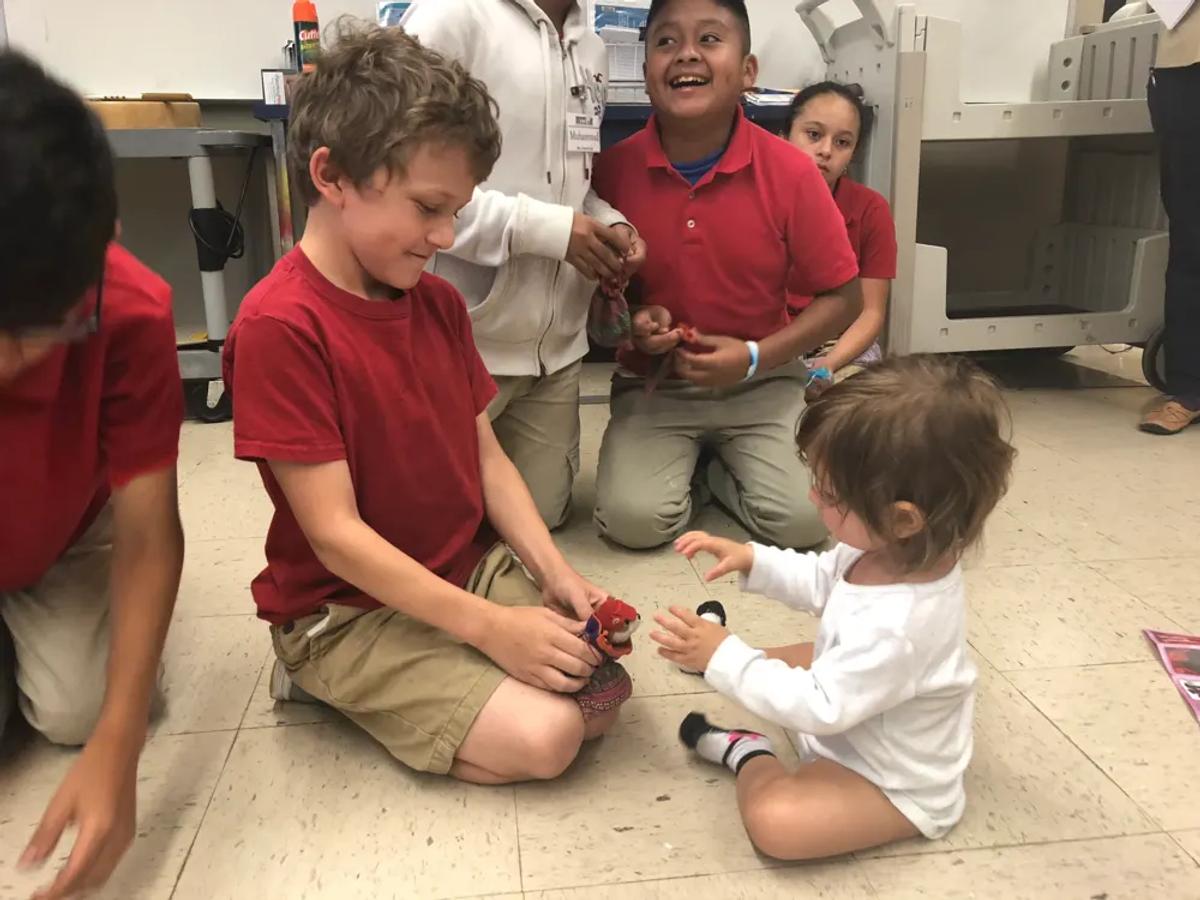
Connect & Reflect
They notice what they learned about themselves and others, listen to different perspectives, and strengthen empathy, communication, and relationships.
-
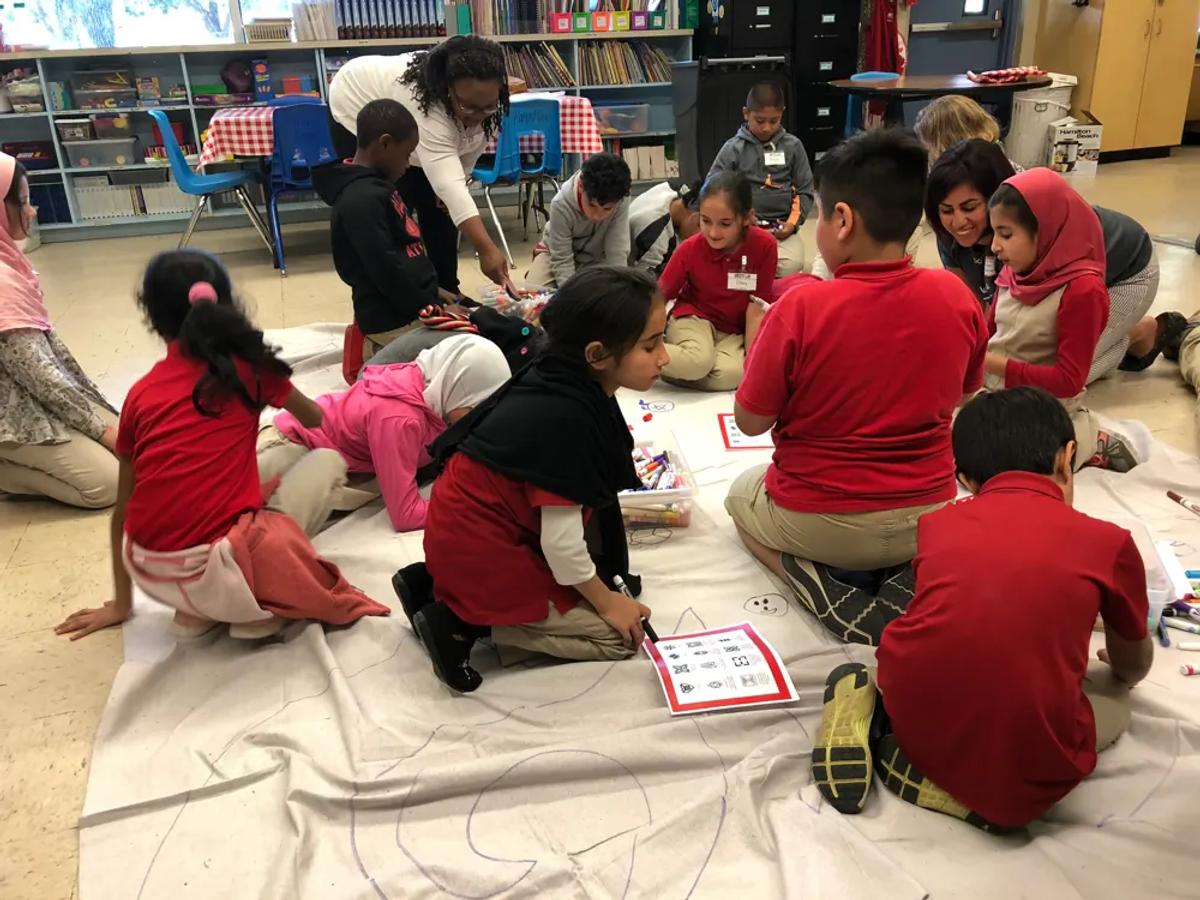
Choose a Next Step
Every experience ends by moving learning beyond the workshop: one tool to try, one choice to make, one relationship to strengthen, or one action to take.
And as participants grow, the journey can go further—from personal growth to contribution through youth-led projects and Solidarity Missions that allow them to put their skills into action in their schools and communities.
This is the Be Peace – Be Hope difference: participants do not simply learn about well-being. They experience it, practice it, create through it, and learn how to turn it into meaningful action.
Workshops can be integrated into advisory, enrichment, elective, after-school, and other learning periods, while adapting to the age, needs, and context of each school community.
The approach behind the work
Creative experiences. Practical skills. Informed by research.
Be Peace – Be Hope brings together complementary approaches to help young people understand themselves, strengthen relationships, navigate challenges, and apply what they learn in everyday life.
Our work draws from:
- Neuroscience-informed learning
- Mindfulness and self-regulation practices
- Social and emotional learning
- Emotional intelligence
- Positive psychology
- Creative and healing arts
- Strengths-based and trauma-informed practices
- Character development
- Communication and relationship-building
- Service learning and youth leadership
Programs can also be aligned with school and district priorities, including relevant academic, behavioral, and student-support frameworks.
What changes
Ten years of measurable growth.
Across selected Be Peace – Be Hope programs, participants have demonstrated meaningful changes in areas connected to well-being, confidence, relationships, respect, and creativity.
Reported outcomes have included:
-
Up to 60%
decrease in anxiety and depression indicators
-
Up to 50%
increase in self-efficacy
-
Up to 43%
improvement in healthier relationships
-
Up to 36%
increase in reported physical and emotional safety
-
Up to 75%
increase in respect
-
Up to 100%
increase in creativity
Results vary by program, population, duration, and evaluation method.
Explore Our Impact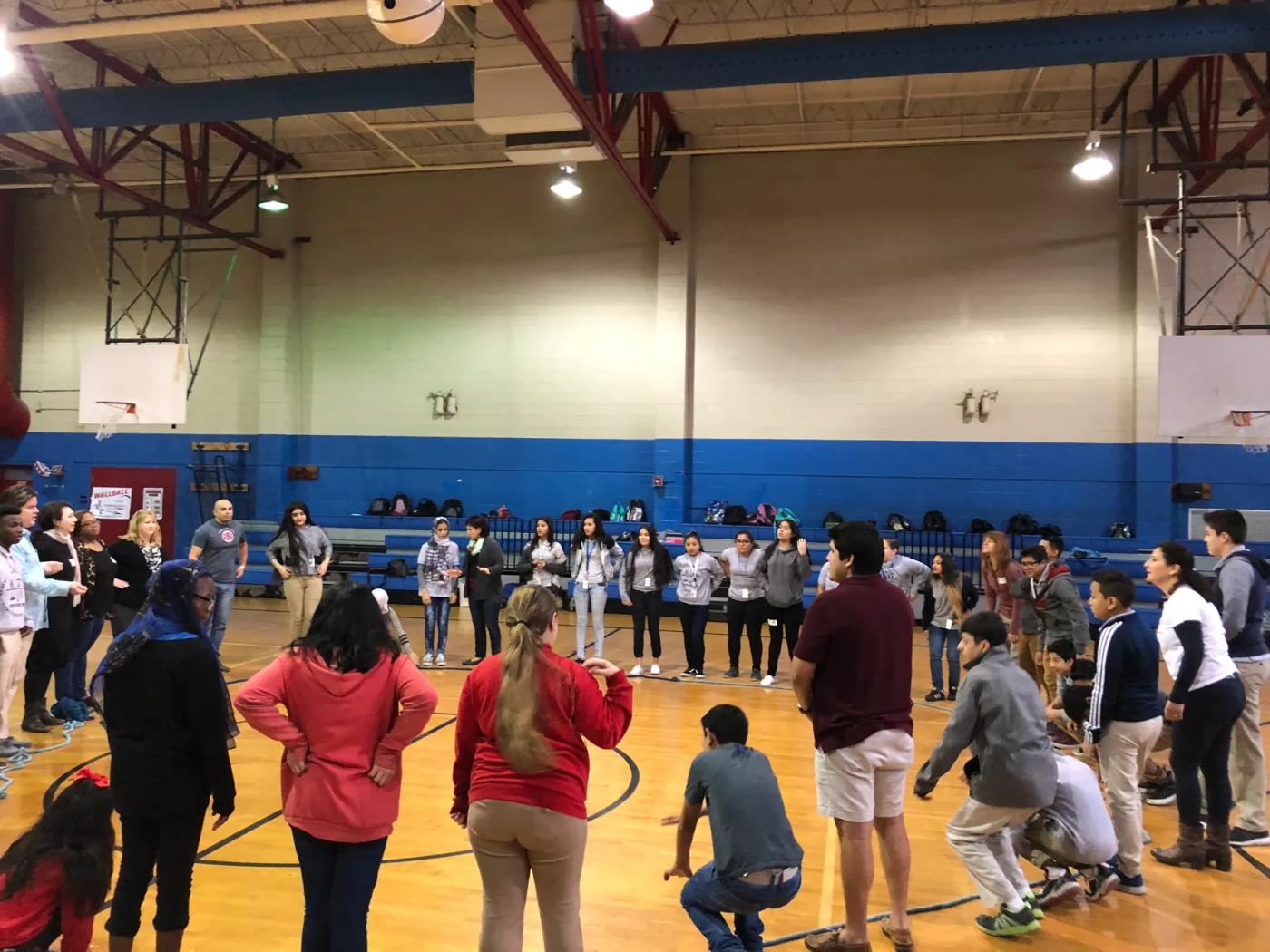
Sugar Grove Academy
What began as a student program grew into something larger.
As participation increased and educators saw the need for a broader approach, Be Peace – Be Hope worked alongside school leadership to expand the work beyond individual workshops.
Educators received training. Students continued building confidence, relationships, communication, and peacebuilding skills. Young people were given opportunities to practice what they were learning and turn those skills into meaningful action.
When COVID-19 disrupted school life, the work adapted. Students used creativity and messages of hope to reach beyond themselves and support others during a time of uncertainty and isolation.
By the end of the program period: 90% of participating students reported feeling more confident and supported.
The school also experienced positive changes in attendance, behavior, and school culture, including a greater emphasis on learning and relationship-building.
From educators who have lived it
Sometimes the first change happens in the adult.
The educators who participate in Be Peace – Be Hope often tell us that the work changes not only how they support students, but how they understand and care for themselves.
“I was reminded of how capable and effective I am as a teacher.”
Educator, Be Peace – Be Hope program
“This training gave me greater confidence, concrete tools and better collaboration with parents and the team.”
educator, Collège Cadmous
“This training was very enriching and useful. It helped me better understand my emotions, manage stress and improve communication with my students. The tools are simple and applicable in the classroom.”
educator, Collège Cadmous
“The most important thing I learned is that 'saboteurs don't identify who I am.'”
educator, Antonines Marjeyoun
“Thank you so much for teaching me how to come back to myself… Your words and support made a big difference in my life.”
educator, Antonines Marjeyoun
“I was reminded of how capable and effective I am as a teacher.”
Educator, Be Peace – Be Hope program
“This training gave me greater confidence, concrete tools and better collaboration with parents and the team.”
educator, Collège Cadmous
“This training was very enriching and useful. It helped me better understand my emotions, manage stress and improve communication with my students. The tools are simple and applicable in the classroom.”
educator, Collège Cadmous
“The most important thing I learned is that 'saboteurs don't identify who I am.'”
educator, Antonines Marjeyoun
“Thank you so much for teaching me how to come back to myself… Your words and support made a big difference in my life.”
educator, Antonines Marjeyoun
“I was reminded of how capable and effective I am as a teacher.”
Educator, Be Peace – Be Hope program
“This training gave me greater confidence, concrete tools and better collaboration with parents and the team.”
educator, Collège Cadmous
“This training was very enriching and useful. It helped me better understand my emotions, manage stress and improve communication with my students. The tools are simple and applicable in the classroom.”
educator, Collège Cadmous
“The most important thing I learned is that 'saboteurs don't identify who I am.'”
educator, Antonines Marjeyoun
“Thank you so much for teaching me how to come back to myself… Your words and support made a big difference in my life.”
educator, Antonines Marjeyoun
“I was reminded of how capable and effective I am as a teacher.”
Educator, Be Peace – Be Hope program
“This training gave me greater confidence, concrete tools and better collaboration with parents and the team.”
educator, Collège Cadmous
“This training was very enriching and useful. It helped me better understand my emotions, manage stress and improve communication with my students. The tools are simple and applicable in the classroom.”
educator, Collège Cadmous
“The most important thing I learned is that 'saboteurs don't identify who I am.'”
educator, Antonines Marjeyoun
“Thank you so much for teaching me how to come back to myself… Your words and support made a big difference in my life.”
educator, Antonines Marjeyoun
“I was reminded of how capable and effective I am as a teacher.”
Educator, Be Peace – Be Hope program
“This training gave me greater confidence, concrete tools and better collaboration with parents and the team.”
educator, Collège Cadmous
“This training was very enriching and useful. It helped me better understand my emotions, manage stress and improve communication with my students. The tools are simple and applicable in the classroom.”
educator, Collège Cadmous
“The most important thing I learned is that 'saboteurs don't identify who I am.'”
educator, Antonines Marjeyoun
“Thank you so much for teaching me how to come back to myself… Your words and support made a big difference in my life.”
educator, Antonines Marjeyoun
“I was reminded of how capable and effective I am as a teacher.”
Educator, Be Peace – Be Hope program
“This training gave me greater confidence, concrete tools and better collaboration with parents and the team.”
educator, Collège Cadmous
“This training was very enriching and useful. It helped me better understand my emotions, manage stress and improve communication with my students. The tools are simple and applicable in the classroom.”
educator, Collège Cadmous
“The most important thing I learned is that 'saboteurs don't identify who I am.'”
educator, Antonines Marjeyoun
“Thank you so much for teaching me how to come back to myself… Your words and support made a big difference in my life.”
educator, Antonines Marjeyoun
“I feel better equipped to create a positive and inclusive environment. I discovered the importance of mutual support.”
educator, Charité Zghorta
“Be Peace - Be Hope does not merely transmit knowledge; it invites us to reflect deeply on our role and our impact on students’ lives.”
School Director, Charité Zghorta
“The practical activities and exchanges restored my hope and confidence in everyone's ability to create positive change, even in the middle of a crisis.”
school director, Saints Coeurs Haddath
“This training changed the way I think and act. I now know how to regulate my emotions and face difficult moments with awareness and patience.”
educator, Saints Coeurs Haddath
“I feel better equipped to create a positive and inclusive environment. I discovered the importance of mutual support.”
educator, Charité Zghorta
“Be Peace - Be Hope does not merely transmit knowledge; it invites us to reflect deeply on our role and our impact on students’ lives.”
School Director, Charité Zghorta
“The practical activities and exchanges restored my hope and confidence in everyone's ability to create positive change, even in the middle of a crisis.”
school director, Saints Coeurs Haddath
“This training changed the way I think and act. I now know how to regulate my emotions and face difficult moments with awareness and patience.”
educator, Saints Coeurs Haddath
“I feel better equipped to create a positive and inclusive environment. I discovered the importance of mutual support.”
educator, Charité Zghorta
“Be Peace - Be Hope does not merely transmit knowledge; it invites us to reflect deeply on our role and our impact on students’ lives.”
School Director, Charité Zghorta
“The practical activities and exchanges restored my hope and confidence in everyone's ability to create positive change, even in the middle of a crisis.”
school director, Saints Coeurs Haddath
“This training changed the way I think and act. I now know how to regulate my emotions and face difficult moments with awareness and patience.”
educator, Saints Coeurs Haddath
“I feel better equipped to create a positive and inclusive environment. I discovered the importance of mutual support.”
educator, Charité Zghorta
“Be Peace - Be Hope does not merely transmit knowledge; it invites us to reflect deeply on our role and our impact on students’ lives.”
School Director, Charité Zghorta
“The practical activities and exchanges restored my hope and confidence in everyone's ability to create positive change, even in the middle of a crisis.”
school director, Saints Coeurs Haddath
“This training changed the way I think and act. I now know how to regulate my emotions and face difficult moments with awareness and patience.”
educator, Saints Coeurs Haddath
“I feel better equipped to create a positive and inclusive environment. I discovered the importance of mutual support.”
educator, Charité Zghorta
“Be Peace - Be Hope does not merely transmit knowledge; it invites us to reflect deeply on our role and our impact on students’ lives.”
School Director, Charité Zghorta
“The practical activities and exchanges restored my hope and confidence in everyone's ability to create positive change, even in the middle of a crisis.”
school director, Saints Coeurs Haddath
“This training changed the way I think and act. I now know how to regulate my emotions and face difficult moments with awareness and patience.”
educator, Saints Coeurs Haddath
“I feel better equipped to create a positive and inclusive environment. I discovered the importance of mutual support.”
educator, Charité Zghorta
“Be Peace - Be Hope does not merely transmit knowledge; it invites us to reflect deeply on our role and our impact on students’ lives.”
School Director, Charité Zghorta
“The practical activities and exchanges restored my hope and confidence in everyone's ability to create positive change, even in the middle of a crisis.”
school director, Saints Coeurs Haddath
“This training changed the way I think and act. I now know how to regulate my emotions and face difficult moments with awareness and patience.”
educator, Saints Coeurs Haddath
Tools you can use tomorrow
You do not need to wait for a school-wide program to begin.
The Be Peace – Be Hope Learning Hub gives educators access to practical resources they can explore at their own pace and use in their classrooms.
Your educator account can include:
- classroom-ready activities and resources
- short professional learning courses
- self-care and regulation practices
- guided mindfulness activities
- presentations and facilitation tools
- downloadable handouts
- creative learning activities
- EsperHope™ resources that provide another way to introduce life skills with young people
Start with one tool. Try it tomorrow. Build from there.
Let's talk about your school
What does your school community need right now?
-
 You may be looking to strengthen student well-being.
 -
 Support educators.
 -
 Reduce conflict.
 -
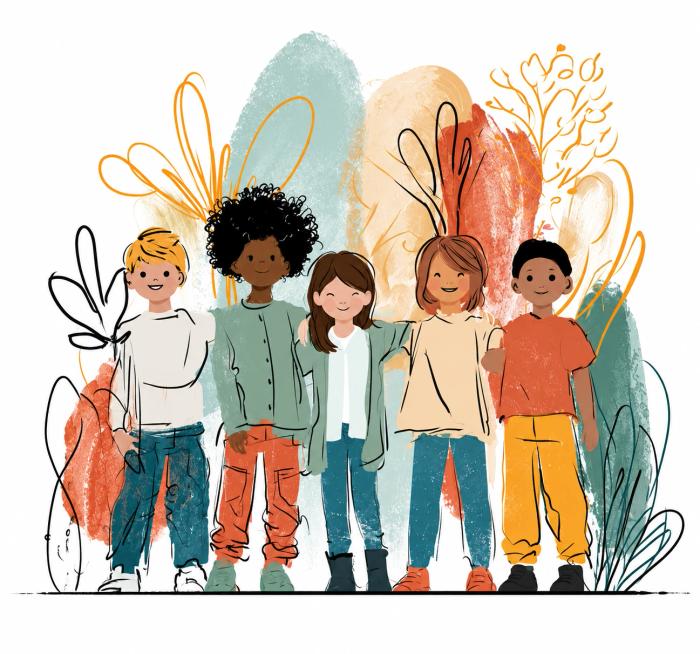 Build confidence and belonging.
 -
 Strengthen relationships.
 -
 Create more opportunities for student leadership.
 -
 Or bring all of these pieces together.
 -
We begin by listening.
Tell us about your school or district, what you are seeing, and what you hope could change. We can explore together which Be Peace – Be Hope approach would make the most sense.
Start a Conversation
Be Peace – Be Hope has worked alongside schools, districts, nonprofits, and community partners to adapt programming to the realities of the young people and educators they serve.