Bring well-being and life skills to young people, wherever they are.
Be Peace – Be Hope works with community centers, after-school programs, camps, libraries, refugee and immigrant-serving organizations, youth nonprofits, and other community spaces to help young people build confidence, relationships, life skills, and the capacity to thrive and contribute.
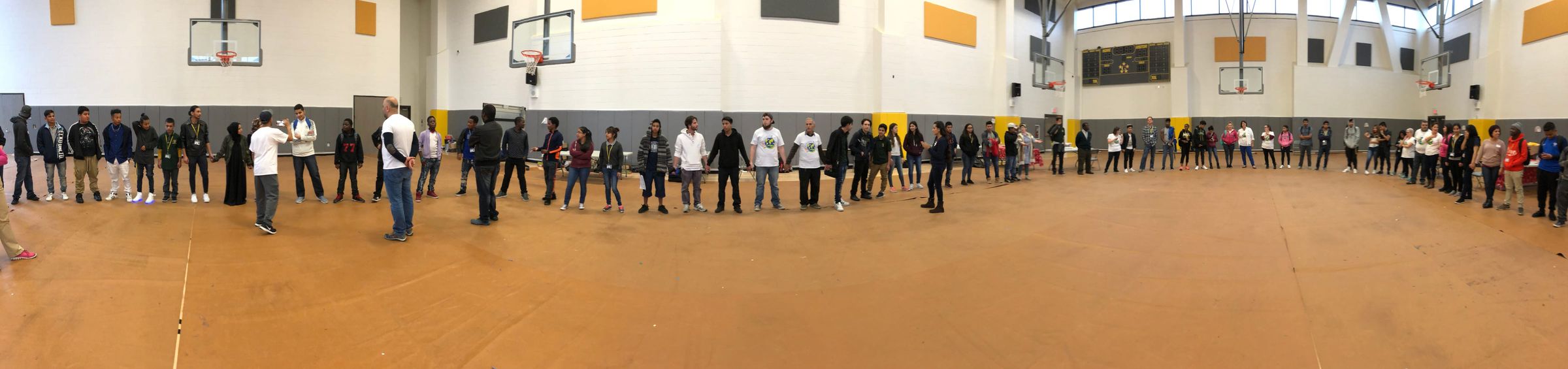
Our programs are designed to meet young people where they are, and to work in the real environments where community organizations serve them every day.
 Youth-Serving Organizations
 Every young person arrives carrying a different story.
Community programs often welcome young people of different ages, backgrounds, experiences, and needs, sometimes all in the same room.
Attendance may change from week to week. Some participants arrive ready to engage. Others may need time, trust, movement, creativity, or simply a place where they feel seen.
Be Peace – Be Hope was built with that reality in mind.
We create flexible learning experiences that meet young people where they are while helping them grow from there.
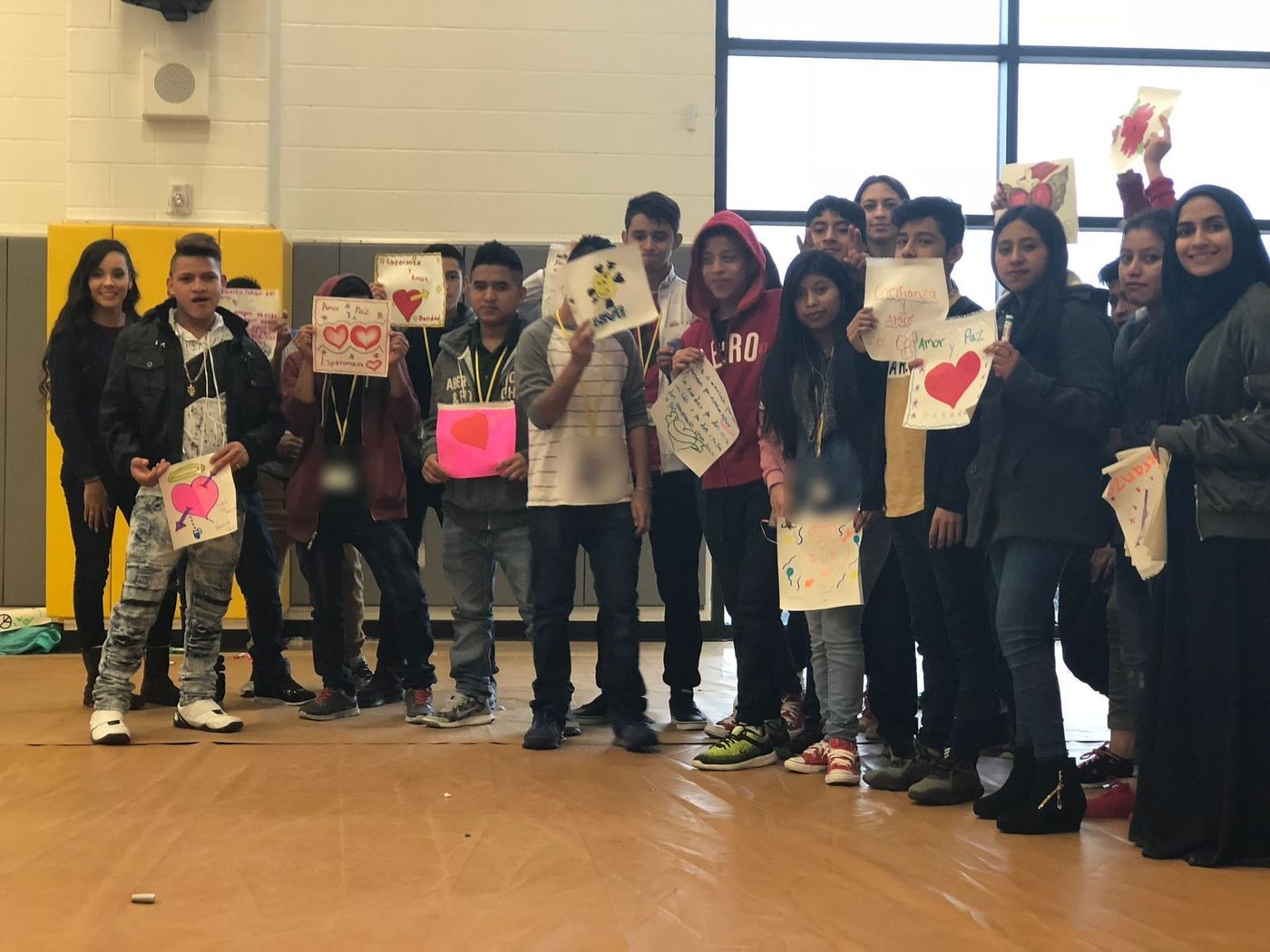
Connection comes before participation.
When young people feel safe, valued, and included, they are more able to engage, try something new, build relationships, and take positive risks.
That is why we begin with well-being, belonging, and connection, then build confidence, practical life skills, leadership, and action from that foundation.
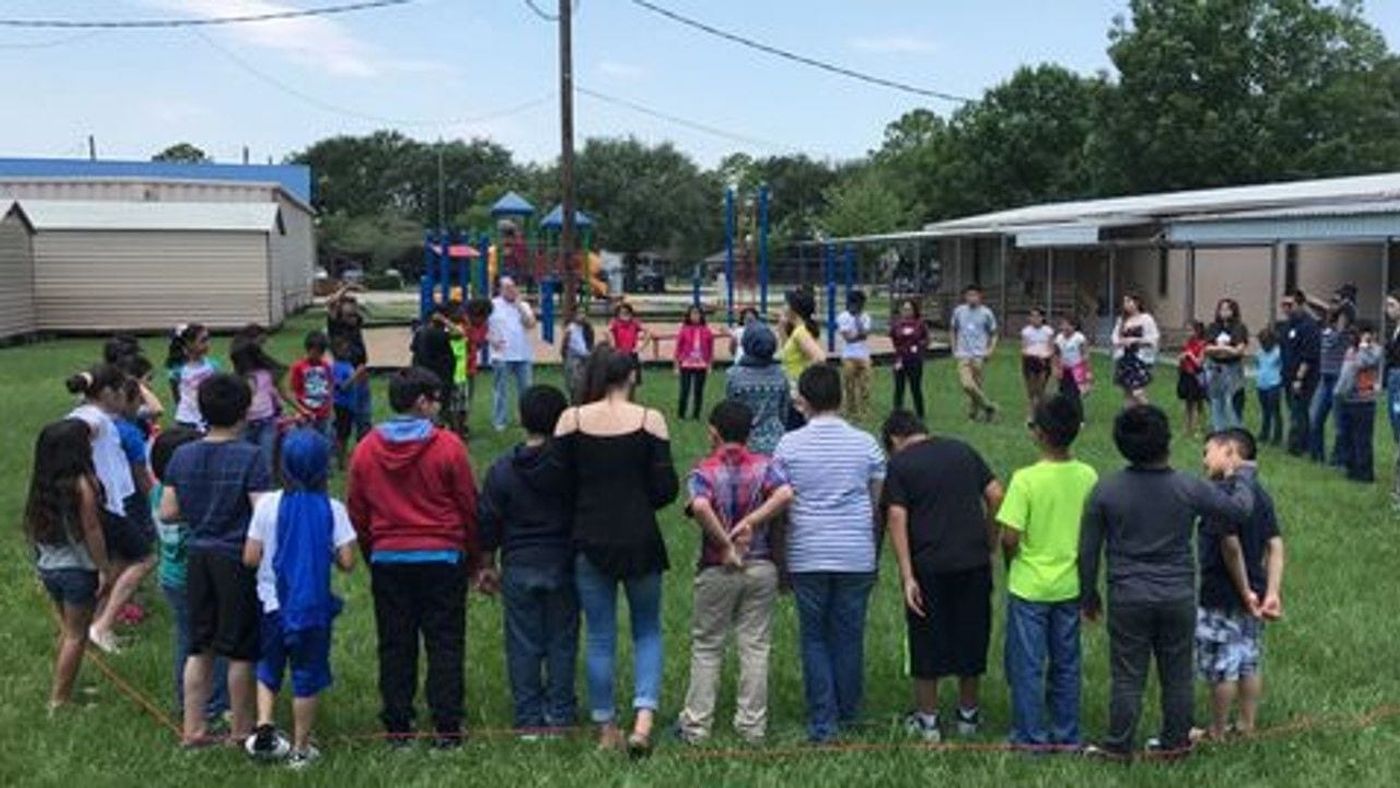
Choose the format that fits your young people and your organization.
-
Ongoing Programs
Weekly experiences over several months that build skills over time and can lead to a youth-led community or Solidarity Mission.
-
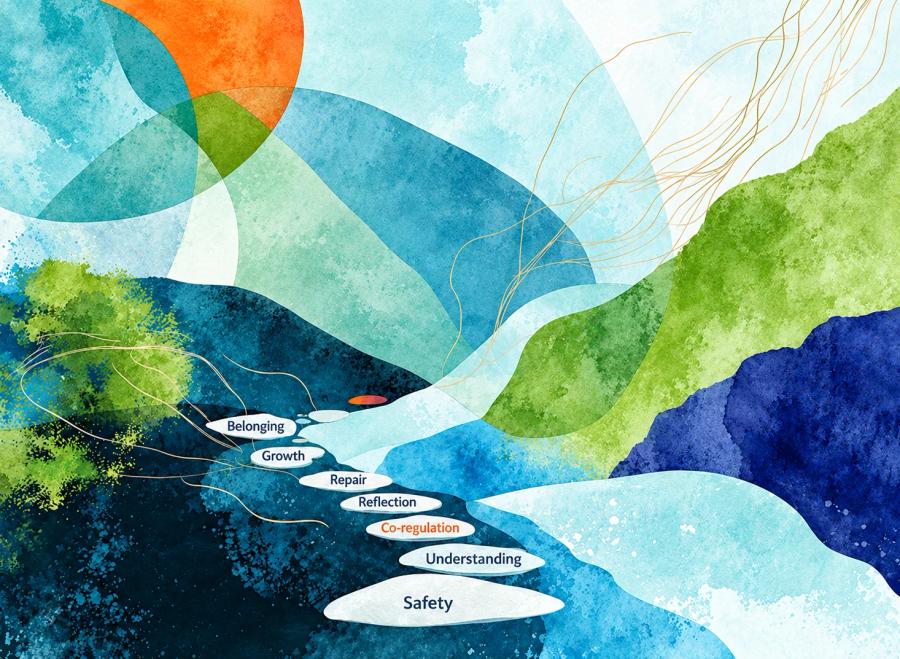
Short Series
A focused sequence of workshops designed around a specific need, age group, challenge, or community priority.
-
Summer Camps & Intensives
Immersive experiences combining creativity, well-being, leadership, collaboration, and meaningful action.
-
Facilitator Training
Equip members of your own team to experience, understand, and deliver selected Be Peace – Be Hope practices and programming.
-
Digital Learning
Extend learning beyond the room through online lessons, practices, resources, and EsperHope™.
Programs can serve young people from childhood through young adulthood and can be adapted for in-person, digital, and blended delivery.
Where appropriate, programs include needs assessments, participant feedback, pre- and post-program evaluation, and practical resources that can continue to support young people after the program ends.
Your program does not need to look like a classroom for this to work.
-
No bell schedule?
Sessions can flex around the rhythm and timing of your program.
-
Different ages together?
Activities can be adapted to the developmental levels and dynamics of the group.
-
Attendance changes week to week?
Each experience can offer something meaningful on its own while still connecting to a larger journey.
-
Limited space?
Programs can work in community rooms, libraries, recreation spaces, multipurpose rooms, outdoor spaces, and other settings.
-
Limited supplies?
Creative materials and program resources can be built into the implementation plan.
-
The goal is not to make your organization fit our program.
We work with you to make the program fit your community.
Sustainable impact starts with the people who are already there.
Your staff, mentors, facilitators, and volunteers know your young people and your community.
Our role is not to replace those relationships. It is to strengthen them.
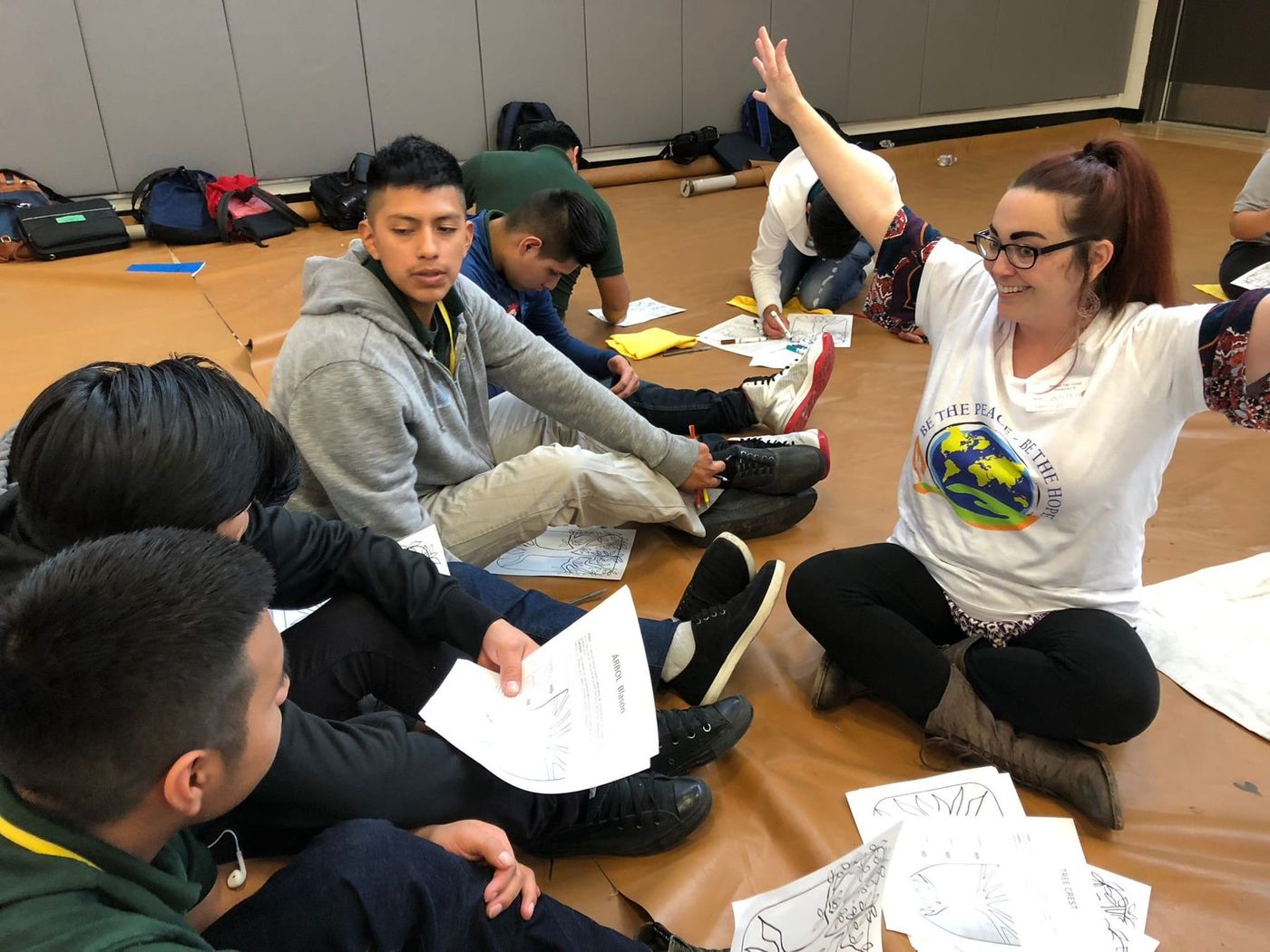
Training can include:
- professional learning tailored to your organization and population
- a pre-training survey to understand your team's own needs
- practical tools for stress, communication, relationships, confidence, and group culture
- facilitator guides, presentations, activities, and digital resources
- opportunities to practice before bringing the tools to young people
- post-training feedback and evaluation
- and continued access to resources after formal training ends
The process begins with the adult.
-
Experience the tools yourself.
Build greater awareness, steadiness, confidence, and connection in your own life and work.
-
Then bring them to young people.
Learn how to translate those tools into engaging, age-appropriate experiences that fit your setting.
Collective change starts with individual change—and the adults who show up every day can become powerful anchors for young people.
Explore Facilitator TrainingWhat does a session actually look like?
Feel it. Understand it. Create with it. Practice it. Use it.
A Be Peace – Be Hope experience is designed to be active, relational, creative, and practical.
-
Arrive & Notice
Participants check in with how they are feeling and what they are bringing into the space.
-
Reset & Reconnect
Breathing, movement, rhythm, grounding, or mindfulness can help the group become more present.
-
Understand
Young people explore one practical idea about emotions, stress, the brain, relationships, confidence, choices, or strengths.
-
Create
Art, movement, storytelling, games, music, or hands-on activities help make the learning personal and memorable.
-
Practice
Role-play, real-life scenarios, group challenges, and conversation help participants try new skills before they need them in a difficult moment.
-
Connect & Reflect
Young people listen, exchange perspectives, reflect on what they noticed, and strengthen relationships.
-
Take One Next Step
Every experience ends with something participants can carry into real life—a choice, a tool, an idea, or an action.
Sessions can be adapted to the time, space, age range, and rhythm of your organization.
Creative. Trauma-informed. Designed for real life.
Be Peace – Be Hope brings together practices informed by neuroscience, mindfulness, positive psychology, emotional and positive intelligence, creative and healing arts, relationship-building, character development, youth leadership, and trauma-informed approaches.
The goal is not simply to teach young people ideas.
- Neuroscience
- Mindfulness
- Positive psychology
- Emotional and positive intelligence
- Creative and healing arts
- Relationship-building
- Character development
- Youth leadership
- Trauma-informed approaches
- It is to help them experience, practice, apply, and eventually use those skills to contribute.
Growth we can see—and measure.
Across selected Be Peace – Be Hope programs, participants have shown meaningful changes in areas connected to well-being, confidence, relationships, safety, respect, and creativity.
Reported outcomes have included:
-
Up to 60%
decrease in anxiety and depression indicators
-
Up to 50%
increase in self-efficacy
-
Up to 43%
improvement in healthier relationships
-
Up to 36%
increase in reported physical and emotional safety
-
Up to 75%
increase in respect
-
Up to 100%
increase in creativity
Results vary by program, population, duration, and evaluation method.
Explore Our ImpactDifferent places. Shared purpose.
Be Peace – Be Hope programs are designed to grow through collaboration with organizations that already know and serve their communities.
Friends of the World / Copain du Monde
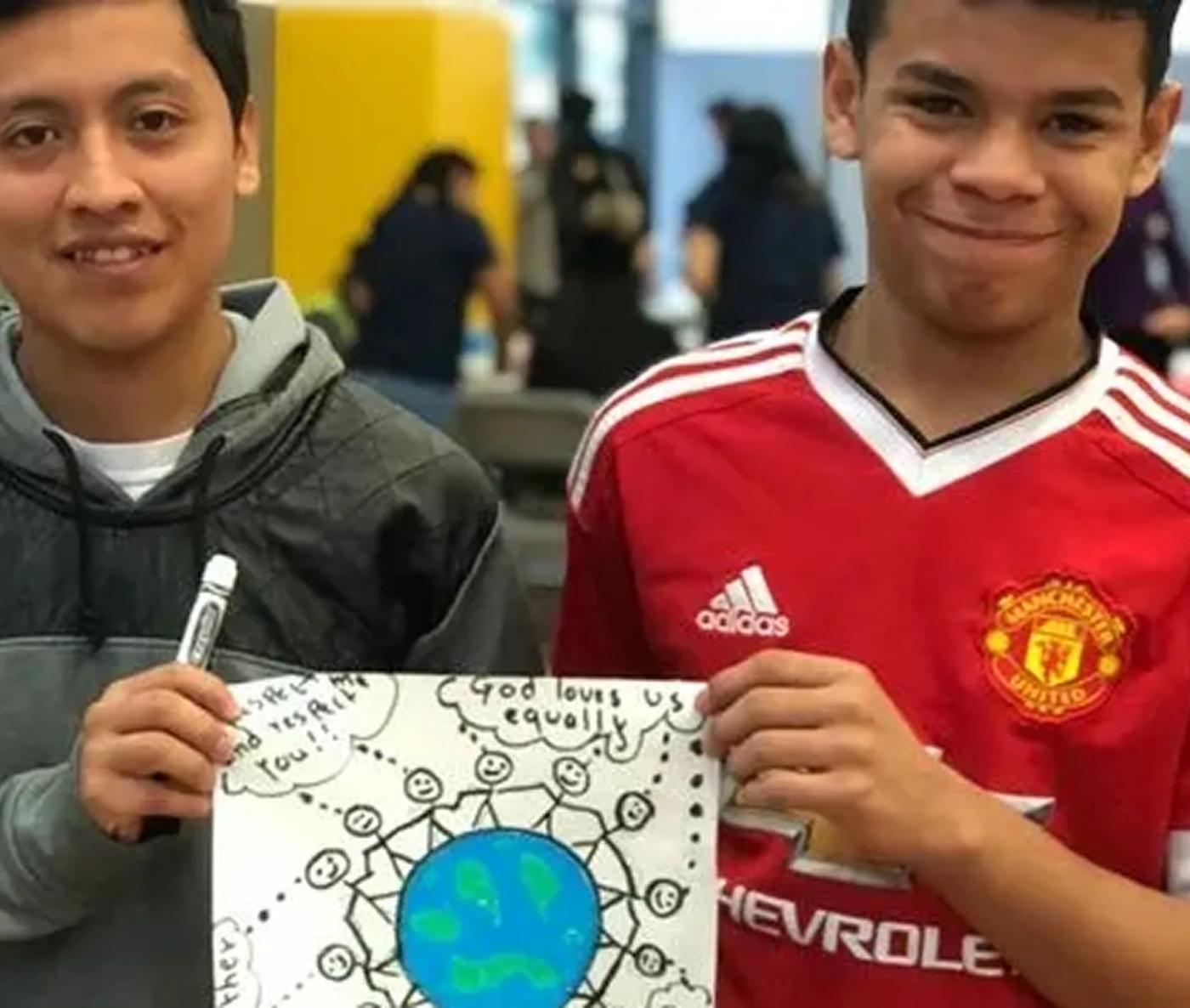
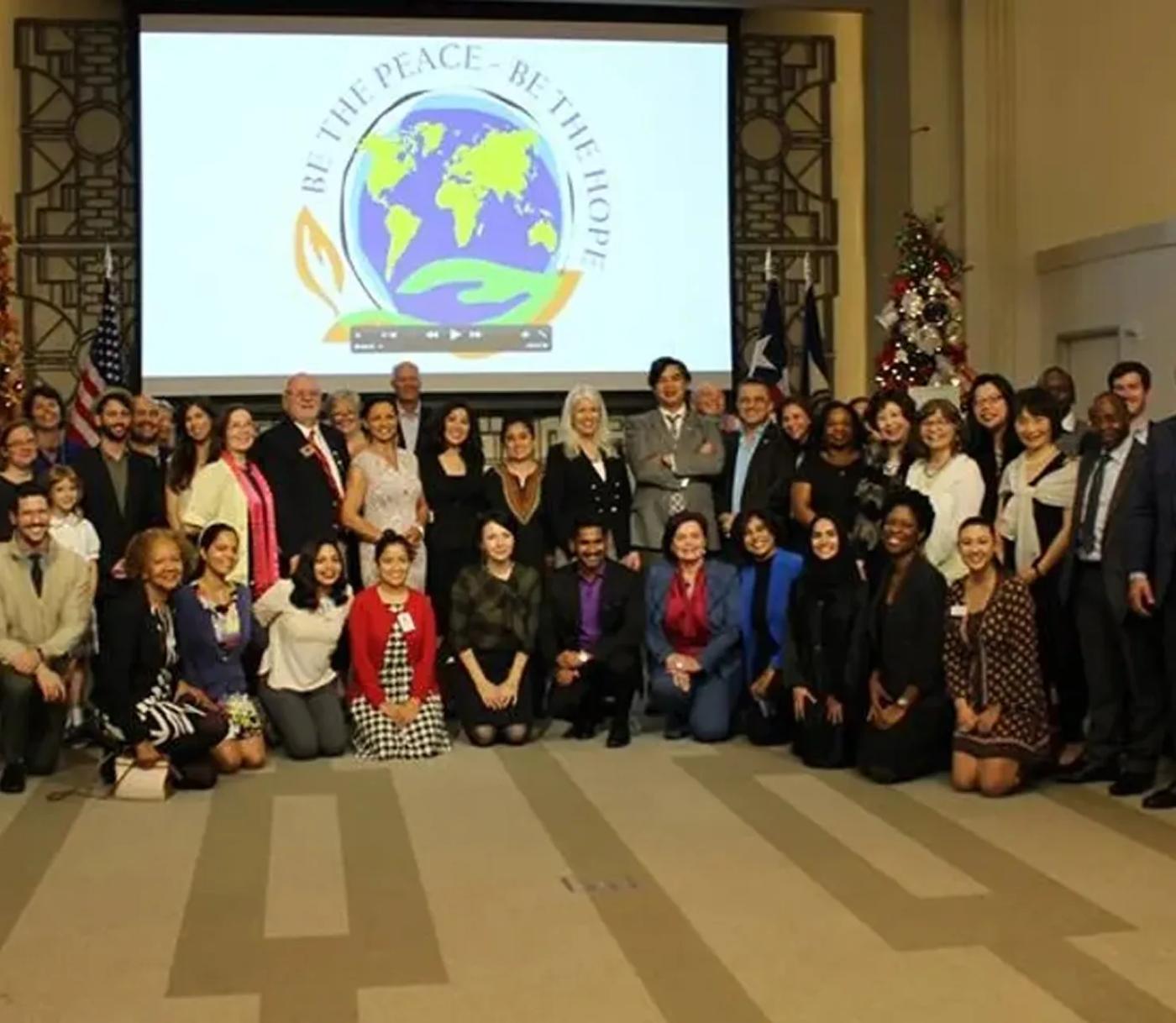
Through collaboration with Secours populaire français and community partners, young people from different countries and backgrounds have come together through leadership experiences, creative activities, cultural exchange, service, and solidarity.
Participants have not only learned about one another. They have lived, created, served, reflected, and built relationships together, discovering how quickly someone from another place can become a friend and a partner in action.
Supporting Young People in Low-Income Communities
As part of the TFAA umbrella, Be Peace – Be Hope leaders worked alongside Agape and SEHTA in Houston's South Union community to bring personal and social development, cultural and artistic experiences, and community-based learning to young people in out-of-school-time settings.
Participants were encouraged to strengthen confidence, relationships, creativity, and their sense of belonging, then put those skills into action through projects that reached beyond the program itself. Through murals, community art, interviews with residents, and other youth-led initiatives, young people helped create opportunities for dialogue, connection, and stronger relationships across the wider community.
The approach combined inner growth with creative expression and community action—helping young people see themselves not only as participants, but as contributors to the places they call home.
Supporting Refugee and Immigrant Communities
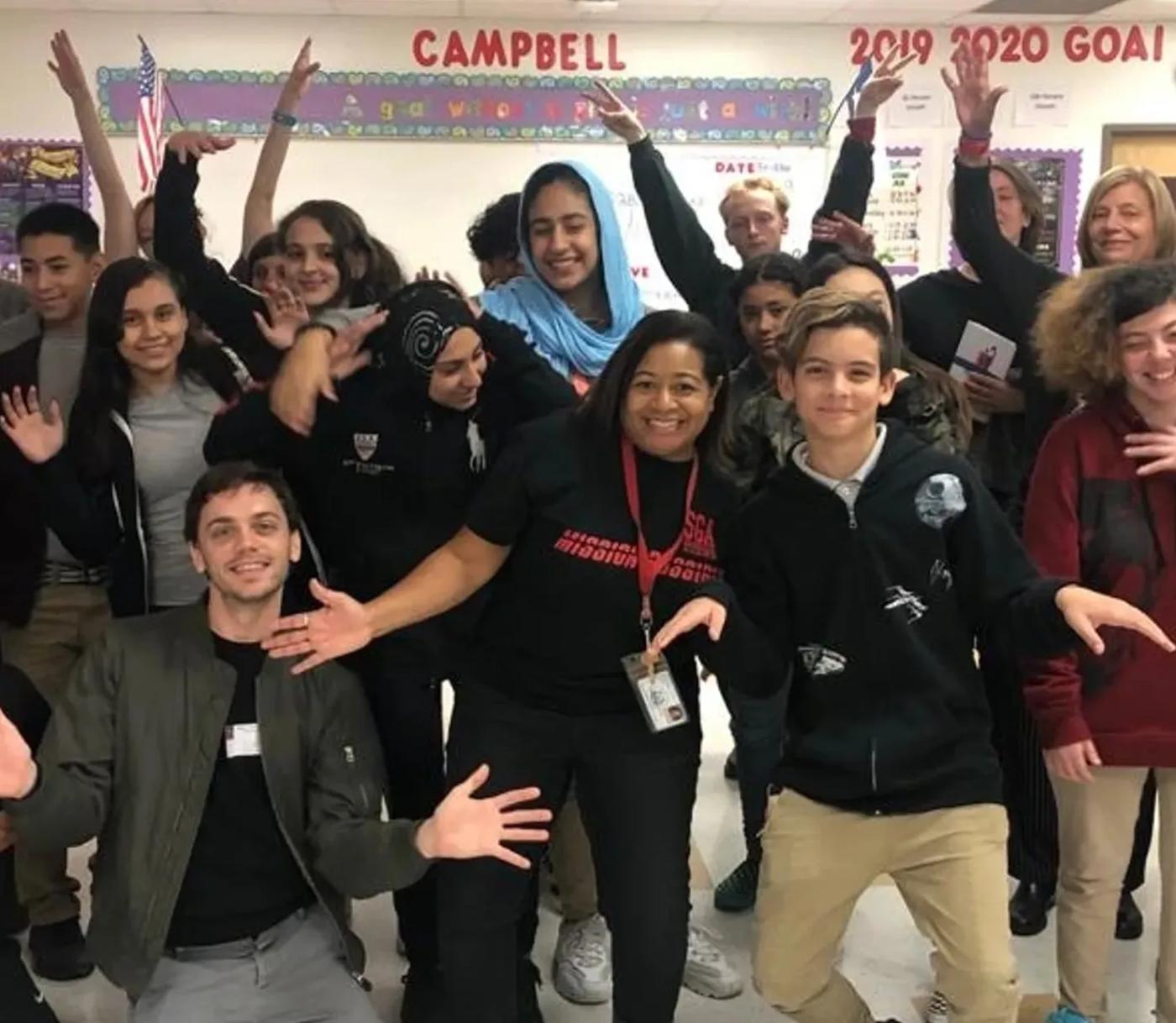
Be Peace – Be Hope has also worked alongside organizations serving refugee, immigrant, and newly arrived families, bringing creative well-being and life-skills experiences into community settings and equipping staff with additional tools to support the young people they serve.
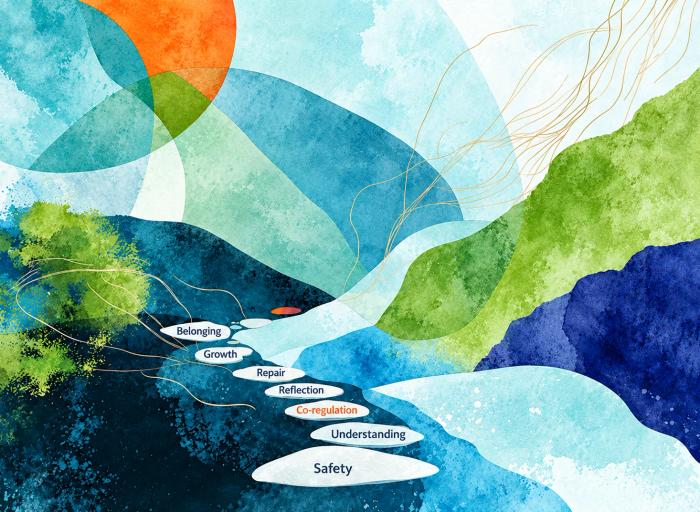
The approach adapts to each community while preserving the same foundation: safety, dignity, connection, confidence, and opportunities to contribute.
Start with one resource. Build from there.
The Be Peace – Be Hope Learning Hub gives youth workers, facilitators, mentors, and community educators practical tools they can explore at their own pace.
Your account can include:
- ready-to-use activities
- facilitator resources
- short professional learning courses
- self-care and regulation practices
- guided mindfulness exercises
- creative learning tools
- downloadable handouts
- resources to support group conversations
- EsperHope™ materials that offer another way to introduce life skills with young people
Tell us about the young people you serve.
-
 Maybe you want to strengthen confidence and belonging.
 -
 Support young people navigating stress or change.
 -
 Give your staff more tools.
 -
 Build leadership.
 -
 Create stronger relationships.
 -
 Or help young people turn what they are learning into meaningful action.
 -
We begin by understanding your organization, your community, and what you are seeing on the ground.
Then we can explore what kind of program, training, or partnership makes sense.
Start a Conversation