At Be Peace – Be Hope, we believe that emotional literacy is a powerful foundation for resilience, mental health, and meaningful relationships. When children (and adults) understand that big emotions are not something to be ashamed of, but signals to be understood, they begin to transform their relationship with themselves and others.
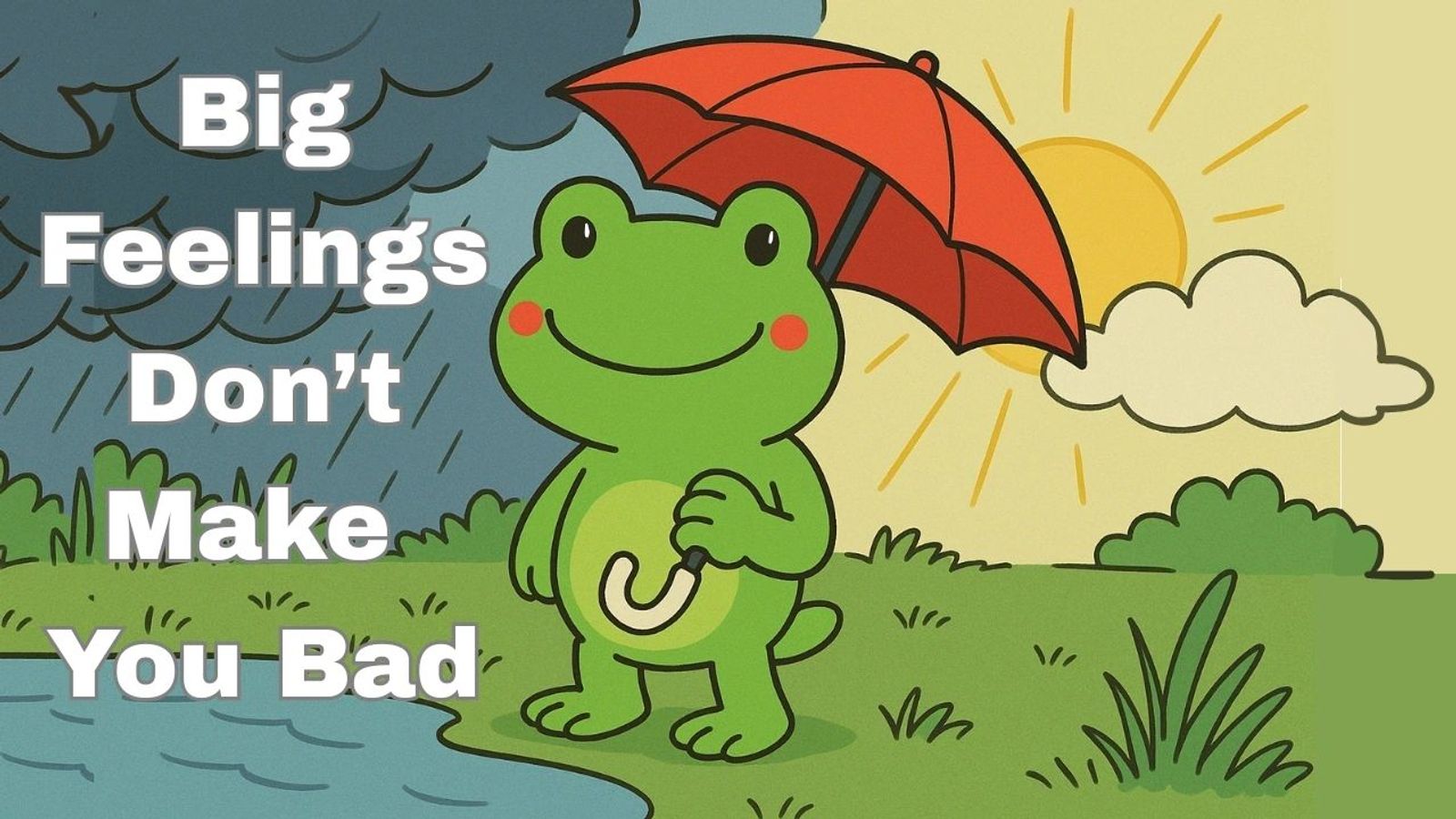
In this week's Hops of Hope video, George the Frog helps bring this message to life in a way that is both science-informed and heart-centered.
Big Feelings Are Natural—Not Dangerous
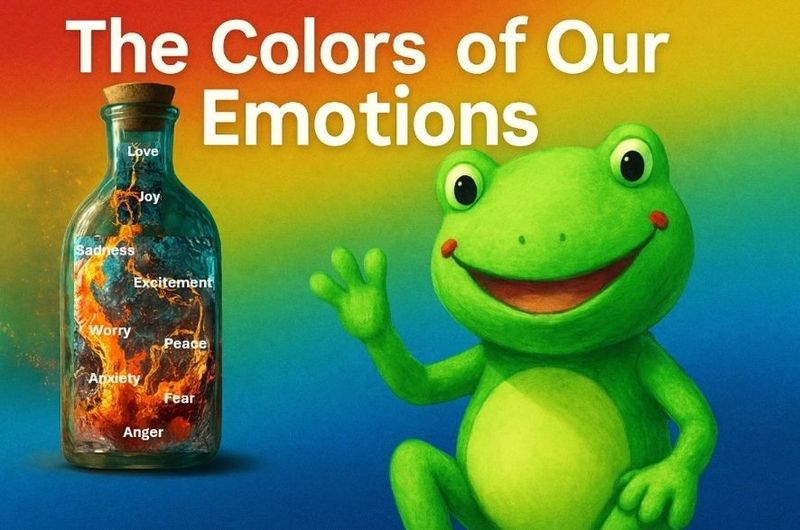
When children experience intense emotions like anger, frustration, or sadness, it can feel overwhelming. Their bodies respond quickly and automatically: fast heartbeat, clenched fists, hot cheeks, or even a desire to shout. This is the body’s way of activating its fight-or-flight system, managed by the amygdala and limbic brain—designed to protect us from harm.
But without guidance, kids may interpret these reactions as "being bad."
George’s Message: You Are Not Your Storm
In the new video, George shares a powerful metaphor: “Feeling angry is like having a thunderstorm in your heart.” But just as storms don’t make the sky bad, big emotions don’t make a child or and adult bad. They are part of being human. And more importantly, they are often signs that something matters deeply to us: a missed turn, a broken promise, a feeling of being unheard.
When we help kids understand that their emotional reactions are natural, and that they can pause, breathe, and reflect, we invite the prefrontal cortex back online, the part of the brain that supports empathy, problem-solving, and wise decision-making.
The Science Behind It
Dr. Dan Siegel and other leaders in brain-based education have shown that when we help children "name it to tame it," we create space between the emotional reaction and their next choice. Naming an emotion calms the nervous system and invites regulation.
Additionally, studies in affective neuroscience confirm that the quicker we recognize and release stress-based emotions, the less cortisol is released in the body. Chronic exposure to stress without tools for processing can have long-term negative effects on emotional and physical health.
Why This Matters
Teaching children that big emotions are not a sign of failure but an opportunity for awareness and care creates a lifelong shift. It helps them:
- Develop self-compassion
- Build emotional resilience
- Create deeper connections with others
- Learn that they have agency in how they respond
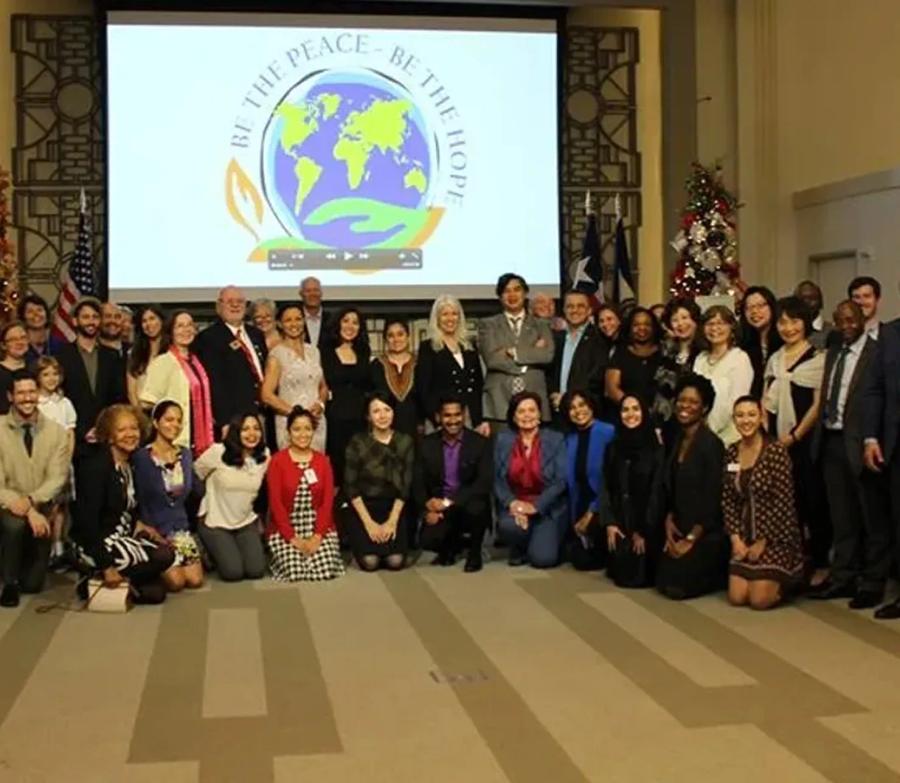
This is the heart of what we aim to do at Be Peace – Be Hope: to guide young people and their families in discovering their inner tools for healing, calm, and courageous communication.
George is here to make that journey fun, friendly, and unforgettable.
🔄 Next on Hops of Hope:
Stay tuned as George teaches us how to press the pause button when emotions feel too big to handle. Because every child deserves to feel safe not just in the world—but in their own body and mind.
#HopsOfHope #EmotionalLiteracy #MindfulnessForKids #NeuroscienceInEducation #MentalHealthAwareness #BePeaceBeHope