At Be Peace – Be Hope, we know that understanding emotions is one of the most powerful tools for building resilience, connection, and self-awareness. But sometimes, knowing how we feel, and what to do with that feeling, can be hard, especially for kids (and grown-ups too).
That’s why in this week’s Hops of Hope episode, George the Frog and his wise friend Ollie the Owl are diving into the world of emotional awareness introducing the colors of a powerful visual tool called the Mood Meter! 📉📈
What Is the Mood Meter?
The Mood Meter is a colorful grid developed by researchers at the Yale Center for Emotional Intelligence, especially by Dr. Marc Brackett, author of Permission to Feel and the founder of RULER, an evidence-based approach to social-emotional learning.
This simple tool helps people – children and adults alike – to identify and label their emotions based on two key dimensions:
- Energy level (from low to high)
- Pleasantness (from unpleasant to pleasant)
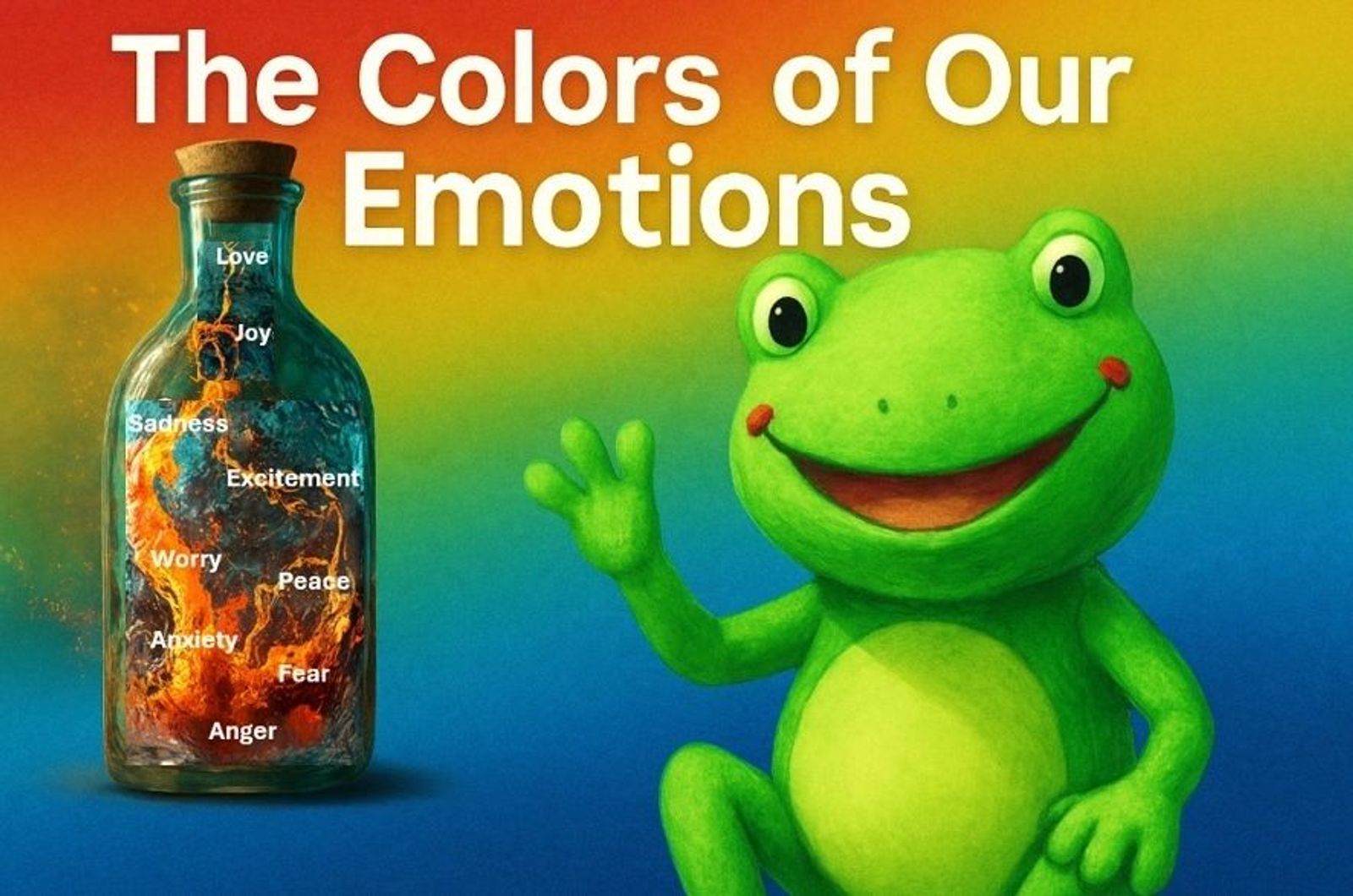
By crossing these two dimensions, the Mood Meter maps emotions into four color-coded zones:
RED = High Energy, Unpleasant
Emotions like anger, frustration, stress, or anxiety. These are big, uncomfortable emotions that alert us something isn’t right.
BLUE = Low Energy, Unpleasant
Emotions like sadness, tiredness, disappointment, or loneliness. These feelings often invite rest, reflection, or connection.
YELLOW = High Energy, Pleasant
Feelings like excitement, joy, hope, or curiosity. These emotions often fuel creativity and action!
GREEN = Low Energy, Pleasant
Emotions like calm, peacefulness, contentment, or relaxed focus. These are restful and grounding feelings, ideal for learning and listening.
Why It Matters
Being able to recognize and name our emotions is a vital part of emotional intelligence. Dr. Brackett reminds us:
"If we can name it, we can tame it."
When kids (and grown-ups) learn to check inwith their emotions, they become more aware of what’s going on inside, and more able to manage how they respond. Instead of reacting, they learn to pause, reflect, and choose their next step.
Research has shown that students who regularly use the Mood Meter have:
- Higher levels of focus and empathy
- Better conflict resolution skills
- Fewer behavioral outbursts
- A deeper understanding of themselves and others
George & Ollie’s Invitation
In this week’s video, George and Ollie the owl, gently ask:
"Which color are YOU feeling today? And what is your feeling trying to tell you?"
Whether you’re in the red, blue, yellow, or green zone, every feeling carries a message. And every zone is okay. There are no "bad" feelings, just signals that help us better understand what we need.
How You Can Use the Mood Meter
- Check in with your feelings 1–3 times a day
- Name the emotion out loud ("I feel tired and quiet. Maybe I’m in the blue zone.")
- Invite kids to draw or color how they feel
- Reflect on what they might need: space, movement, rest, support?
The Mood Meter isn’t just a chart—it’s a doorway to self-awareness, empathy, and resilience.
So next time your heart feels stormy or joyful or anything in between...pause, take a breath, and check in with your color.
Because every emotion has a color... and a message. 🎨💫
With love, light, and big hops of hope,
The Be Peace – Be Hope Team
Follow us @hopsofhope on instagram and @bepeacebehope🎥 Full video drops Monday on YouTube – don’t miss it: Hops of Hope in Texas - YouTube
You will find helpful resources and worksheets at the following link: Google Drive Link.
Don’t forget to subscribe to our YouTube channel
#MoodMeter #HopsOfHope #EmotionalLiteracy #MindfulnessForKids #SelfAwareness #BePeaceBeHope #MarcBrackett #PermissionToFeel #Mindfulness