Bonjour, mes amis! 🐸✨
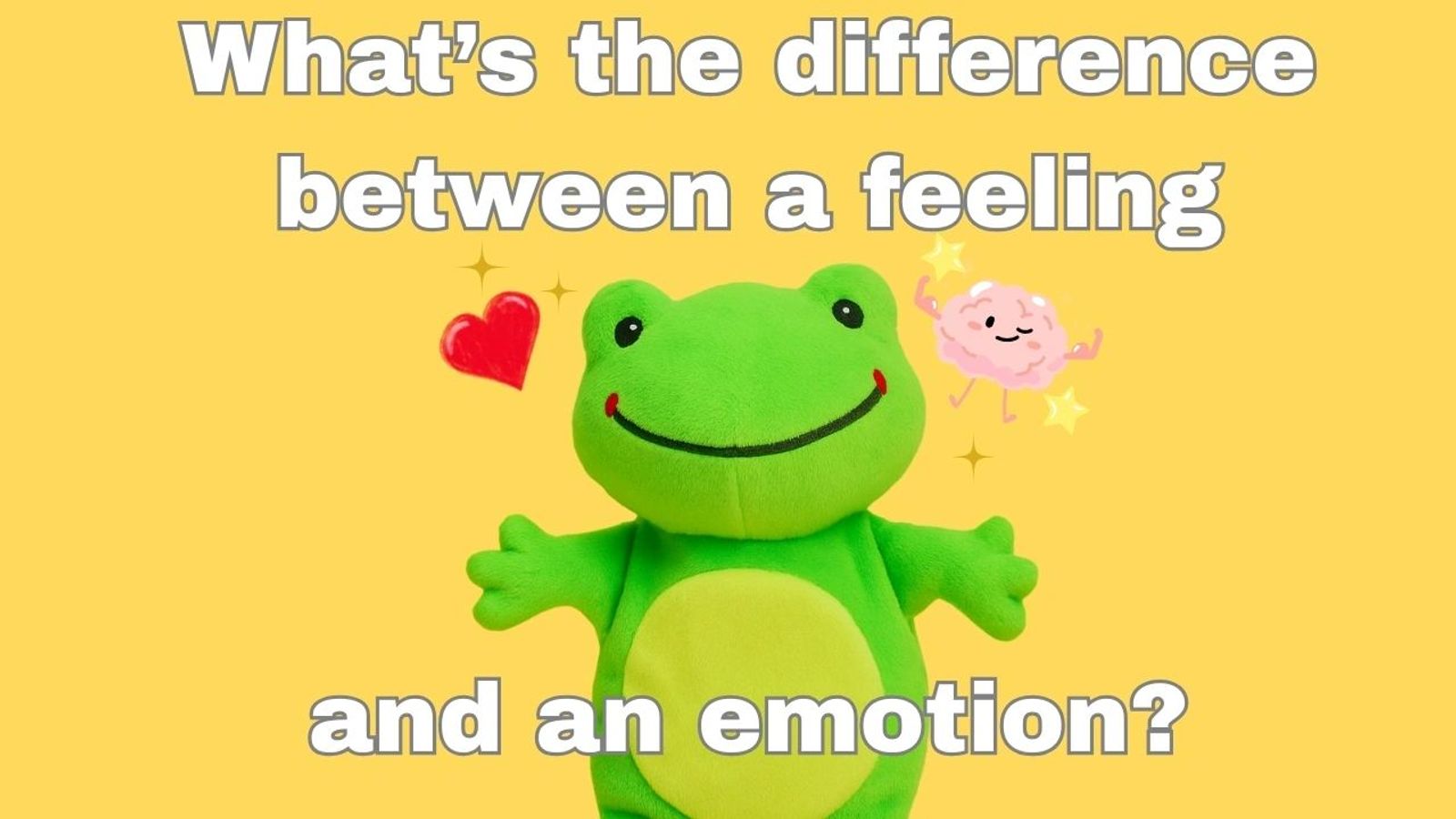
It’s me, George the Frog!
Today, I have something very special to share with you — something about the heart, the brain, and all the little (and big!) feelings we carry inside.
Have you ever heard someone say, “I'm feeling mad!” or “I have butterflies in my tummy!”?
Did you know that a feeling and an emotion are not exactly the same thing?
It’s true! And understanding the difference can make a huge difference in how we take care of ourselves and each other.
Let’s hop into it together, shall we? 🐸🌈
Emotions Happen Fast — Like Lightning!
An emotion is your body’s very first response to something happening around you.
It’s super fast — faster than your thoughts!
You might feel your heart beat faster when someone yells, or your face get hot when you feel embarrassed.
That’s your brain and body working together to protect you.
Emotions are automatic — they pop up without you needing to think about it!
(Like when I see a big scary shadow and my frog legs get ready to jump away! 🐸💨)
Feelings Come When We Notice What’s Going On
A feeling is what happens when you pay attentionto the emotion.
It’s like putting a name on what’s happening inside.
Maybe you realize, "Oh! I’m feeling nervous because it’s my turn to speak.”
Or, "I’m feeling proud because I did something brave!"
Feelings happen when your thinking brain (the smart part called the prefrontal cortex) joins the conversation.
In short:
➡️ Emotion = quick body reaction
➡️ Feeling = the name and meaning you give to that reaction
Why Does It Matter?
You might wonder — why should we care about all this brain talk?
Here's why:
🌟 When we understand our emotions, we can manage them better.
🌟 When we can name our feelings, they don’t control us — we can choose what to do next!
🌟 It helps us feel kinder to ourselves and more connected to others.
Instead of thinking, “I’m just an angry kid!” we can think, “I'm feeling frustrated right now... and that's okay. I can take a deep breath and figure out what I need.”
That’s powerful, my friends! 🐸✨
And it is Backed by Brain Science!
Understanding the difference between an emotion and a feeling isn’t just helpful—it’s backed by science! Emotions are automatic responses from deep inside the brain, especially from the amygdala, which reacts before we even have time to think. Feelings come just a little later, when our thinking brain (the prefrontal cortex) joins the conversation and helps us make sense of what we’re experiencing. Scientists like Dr. Antonio Damasio and Dr. Dan Siegel have taught us that when we name our feelings, we calm the body and help the brain work better. That’s why learning the difference between emotions and feelings is one of the first steps toward building emotional intelligence, resilience, and stronger relationships—at home, in school, and beyond.
SO...
For Students:
Next time you feel something big — like mad, sad, excited, or scared — pause for a moment.
Ask yourself:
💬"What is my body doing?" (Emotion)
💬"What am I feeling inside?" (Feeling)
💬 "What is my mind telling me?"
For Educators:
Model this for your students! When you feel yourself reacting, say it out loud:
"I notice my heart racing — I’m feeling a little nervous about our assembly!"
This shows children that noticing and naming is a strength, not a weakness.
For Parents and Caregivers:
At home, make it part of everyday talk:
“I see you’re clenching your fists. What feeling do you think is happening inside?”
You’ll be amazed how much calmer and more connected family life becomes when feelings aren’t a mystery anymore.
Remember...
Emotions are fast. Feelings are wise.
When we learn to listen to them, we grow stronger inside and out.
Thank you for hopping with me today, mes amis!
Your heart is smart. Your feelings are important.
And you are never alone.
Big hugs (and gentle hops),
🐸💚
George the Frog, our friend in growing kindness, calm, and courage
And his loyal friends Margot and Karine
Oh—and if you haven’t yet, we would be so grateful if you subscribed to our YouTube channel. Your support means the world to us and helps us reach more hearts with hope and healing! Click here to subscribe and like our latest short fun video about feelings and emotions
#FeelingsVsEmotions #HopsOfHope #BePeaceBeHope #EmotionalGrowthForKids #KidsMentalHealth #GeorgeTheFrog #BigFeelingsKindHearts #EmotionalLiteracy #OneHopefulHop #MentalHealth #MindFulness #MindfulnessForKids