Hill Elementary: The Art of Reflection
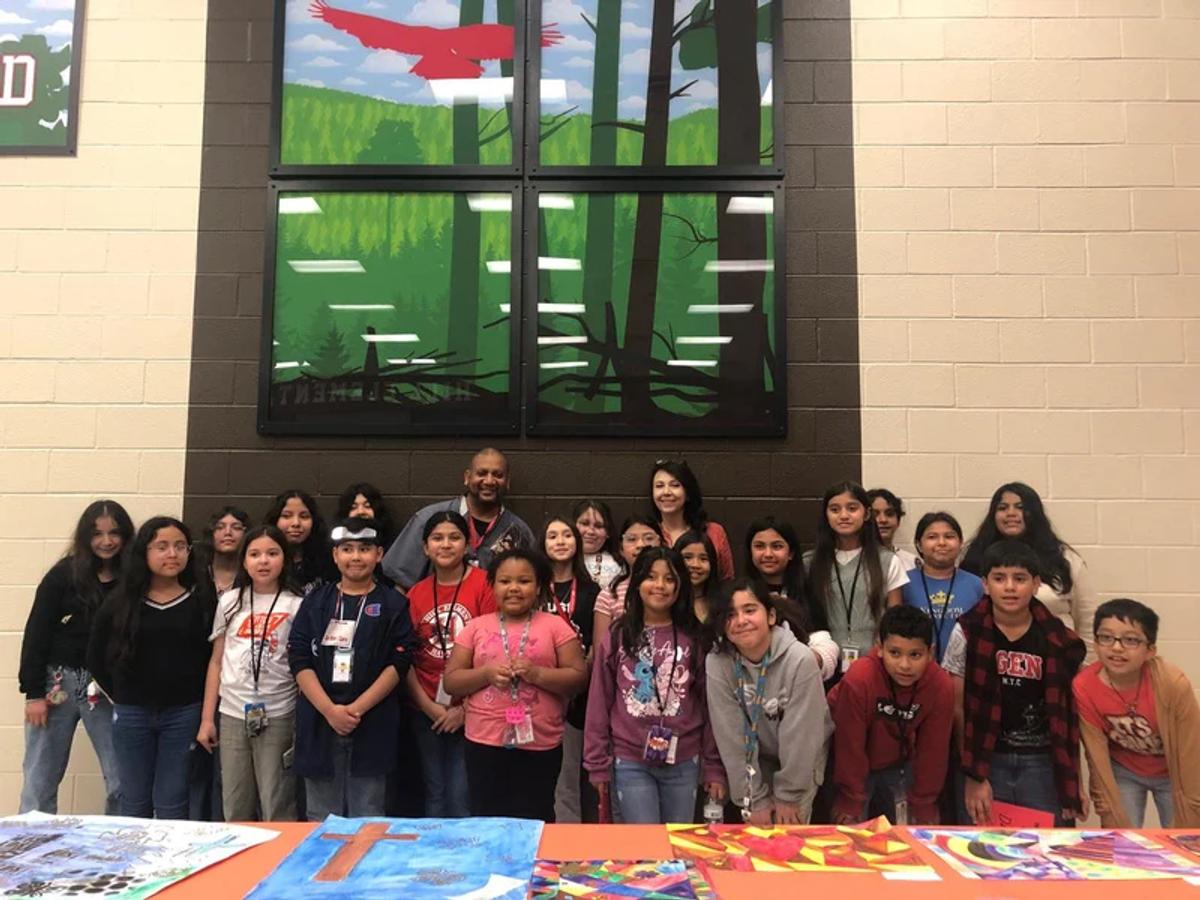
At Hill Elementary, Be Peace – Be Hope partnered with art educator Chris Perkins and the school community to create an experience that brought together well-being, life skills, mindfulness, emotional awareness, and the arts.
School | Aldine ISD | 2023–2024
All of our impact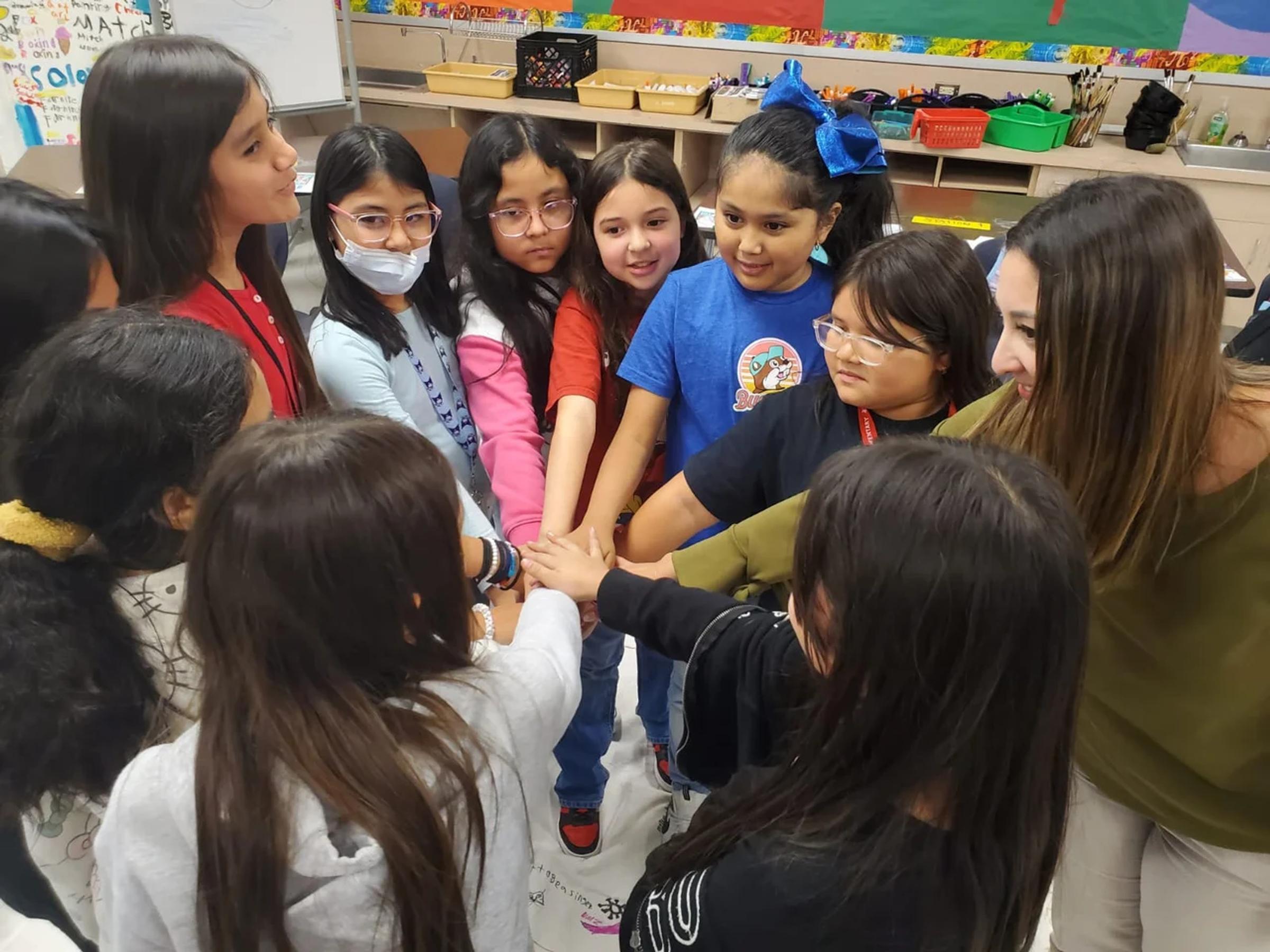
When creativity becomes a pathway to confidence, self-expression, and connection
The goal was not simply to teach students about emotions or values. It was to give them creative ways to understand themselves, express what mattered to them, strengthen confidence, build relationships, and imagine how they could contribute to a more hopeful world.
The Opportunity
Art teacher Chris Perkins saw the potential for creative expression to become more than an artistic exercise.
He invited Be Peace – Be Hope to work alongside Hill Elementary students, using art as an entry point for reflection, emotional expression, confidence-building, mindfulness, and personal growth.
With the support of Principal Constance White and community partners, the program developed into a yearlong journey in which students explored an important question:
Who am I, what matters to me, and what do I want to bring into the world?
The Be Peace – Be Hope Approach
The experience moved from inner awareness to creative expression and outward action.
Building a foundation of values
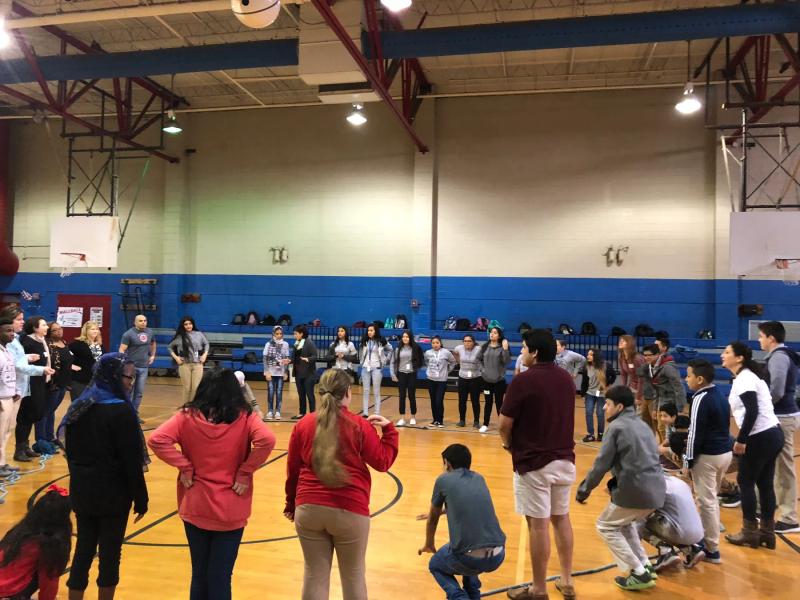
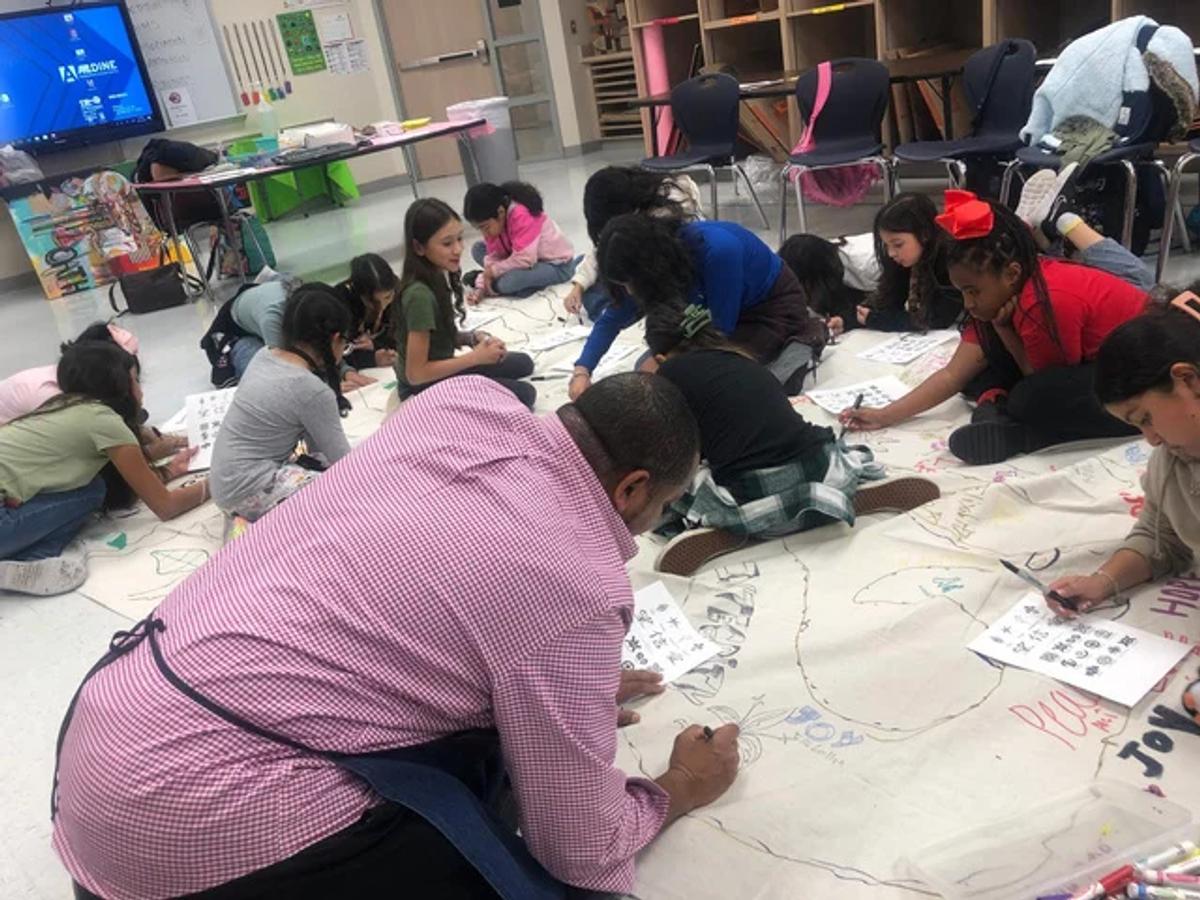
Students first created a shared Circle of Hope and Confidence, then explored the values they wanted to give and receive from one another.
Together, they created a large community identity tree:
- Roots: values and beliefs
- Trunk: strengths, skills, and talents
- Branches and leaves: dreams, hopes, and goals
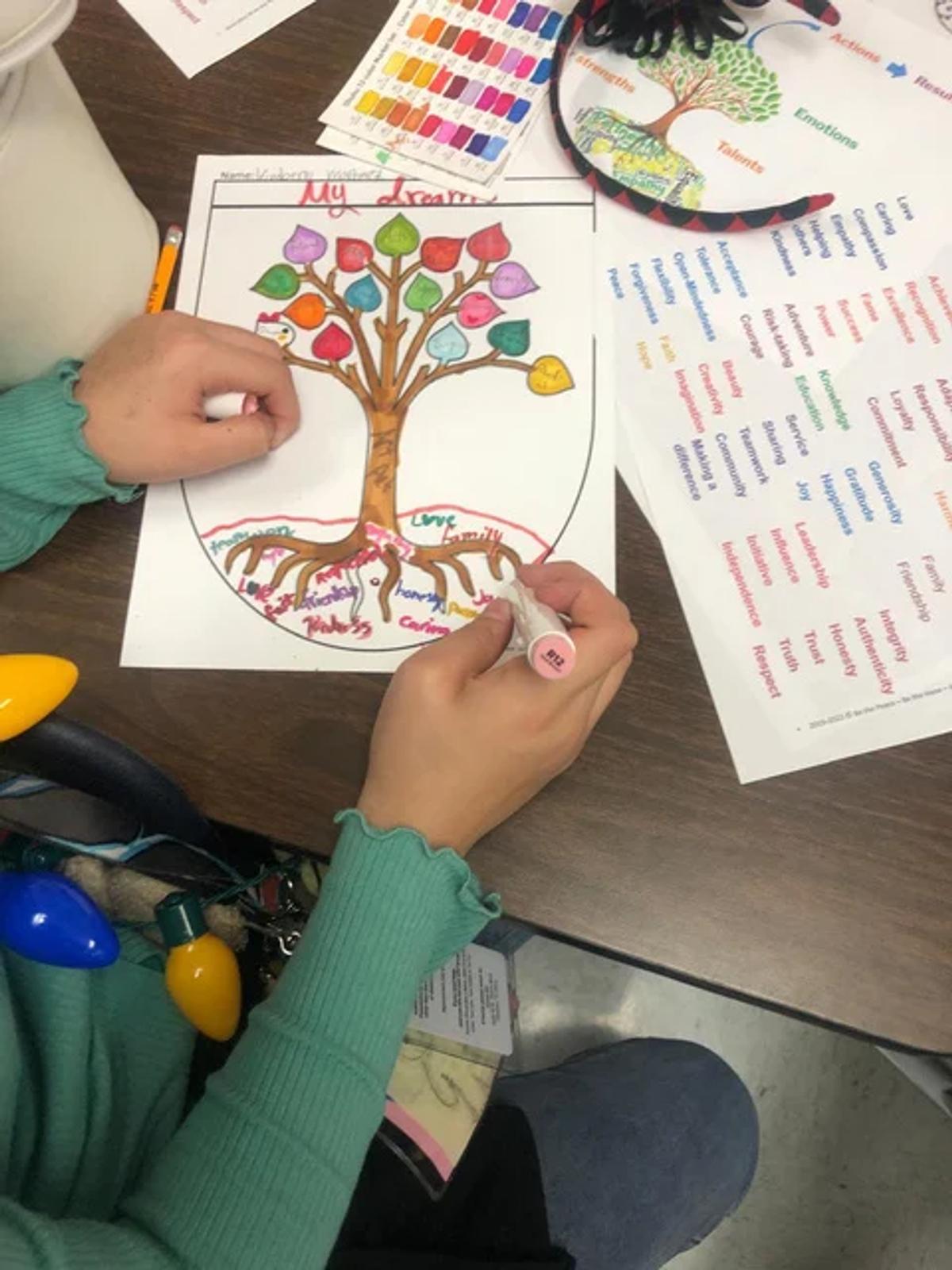
Words including love, trust, friendship, respect, hope, education, caring, peace, kindness, and understanding began filling the communal artwork. Students then created their own personal Tree Crests to express their identities, strengths, aspirations, and the futures they imagined for themselves.
Turning Beliefs Into Possibility
Once students had identified their dreams and strengths, they explored how beliefs can influence emotions, choices, and actions.
Through Be Peace – Be Hope’s growth-mindset activities, students learned to recognize limiting beliefs and practice replacing them with thoughts that supported effort, learning, and possibility.
One student reflected:
“When I changed the way I think, I started seeing that I can do more than I thought I could.”
The work helped students make connections between what they believe, how they feel, how they respond, and what they believe is possible for their future.
Giving Emotions a Language
Students also explored emotions through conversation, reflection, mindfulness, and art.
Be Peace – Be Hope introduced tools to help them identify what they were feeling and connect emotions with the thoughts and situations behind them.
Creative expression became another language.
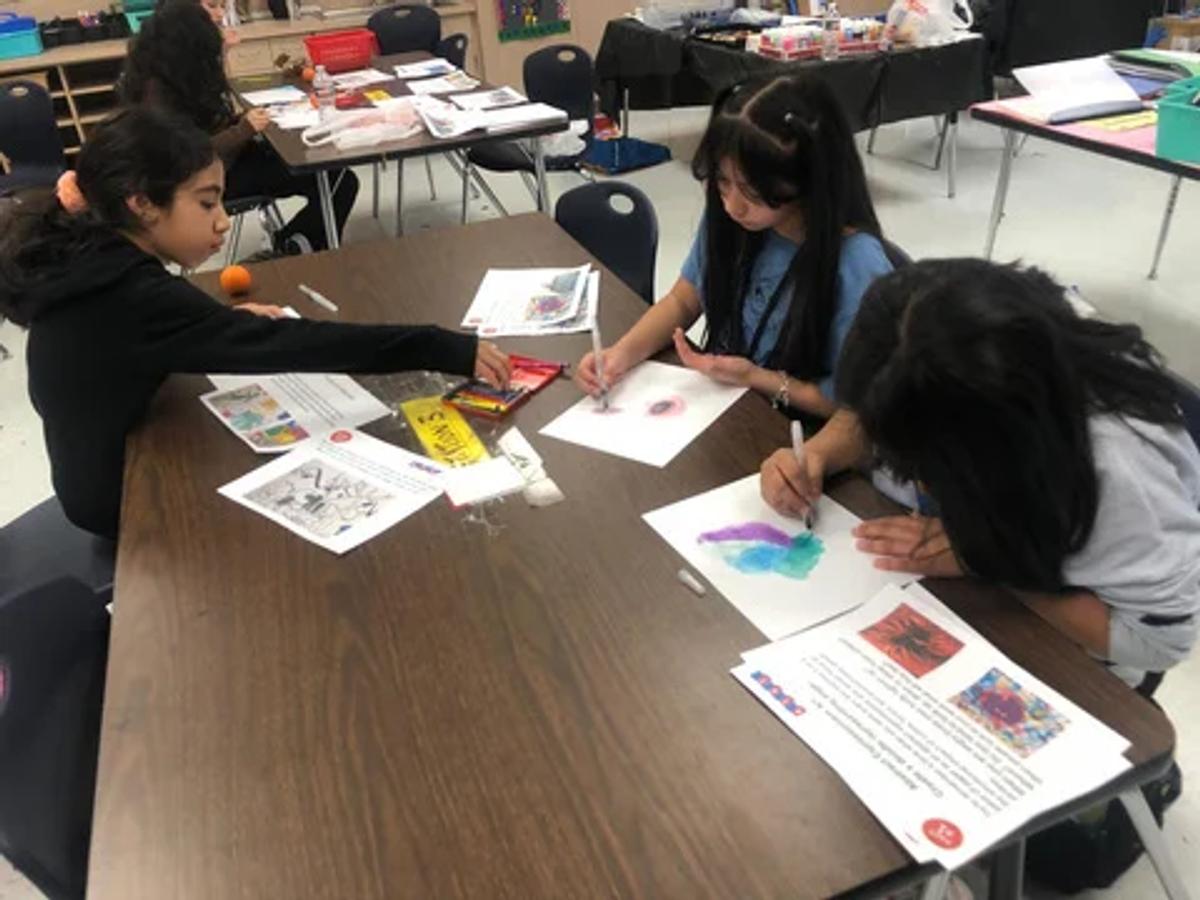
Students explored abstract expressionism, Fauvism, and Surrealism, using color, shapes, and imagery to communicate feelings that were sometimes difficult to put into words.
As one student explained:
“When I paint with all these wild colors and shapes, I feel like I can show exactly how I am feeling inside, even when I can’t find the right words.”
From “What Do I Feel?” to “What Do I Want to See in the World?”
The final phase invited students to look outward.
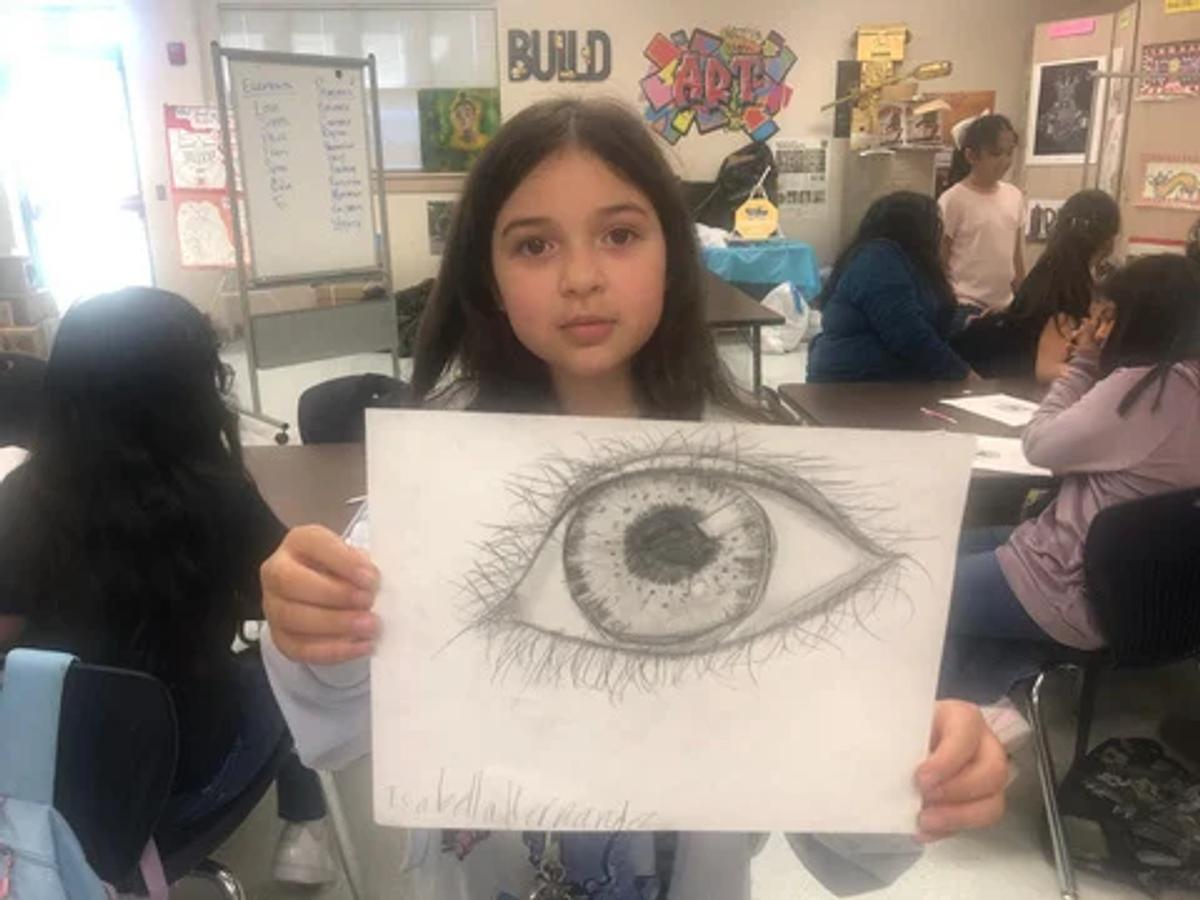
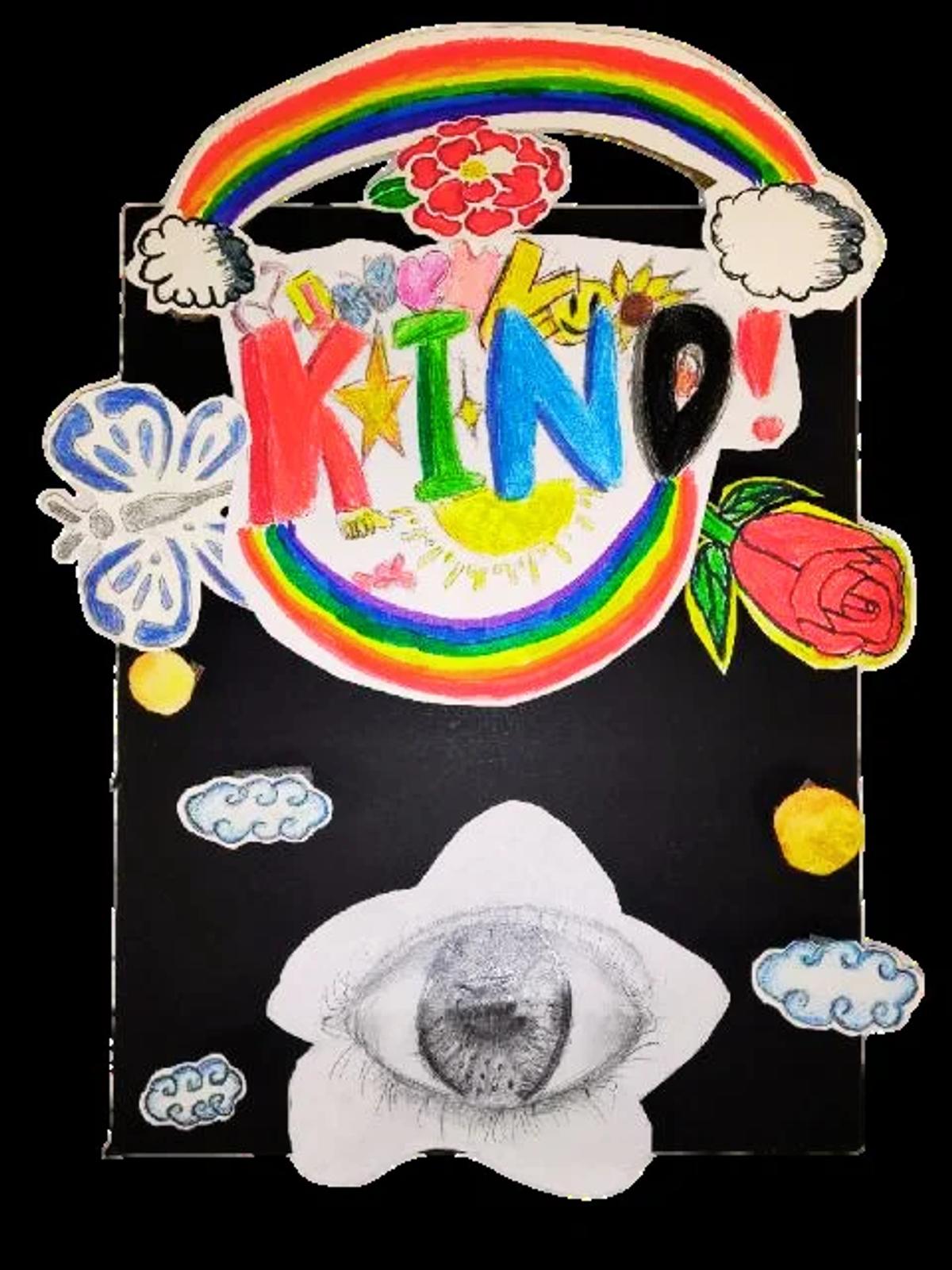
Through an activity called Through the Eye of the Heart, students reflected on what they wanted to see more of in their own lives and in the world.
Their answers became works of art centered on words such as:
Peace. Hope. Joy. Kindness. Friendship. Love. Freedom. Caring. Faith.
The artwork was only the beginning. Students were invited to explain why their chosen value mattered and how they could help bring more of it into the lives of others.
One student chose Kindness, explaining that she wanted to respond to bullying by helping people and encouraging others to treat one another with care.
Another chose Peace, sharing her belief that listening, respecting differences, and talking through disagreements could help people live better together.
Another chose Hope, because she wanted more people to believe in themselves and what they could accomplish.
What Changed
The Hill Elementary experience produced changes that could be seen in the way students expressed themselves, participated, connected, and shared their ideas.
Principal Constance White described the impact:
“Our students’ ability to express themselves verbally and through their Art has been enhanced tremendously. Students are now equipped to organically incorporate mindfulness into their creative process.”
During the early values work, the Be Peace – Be Hope team observed students sharing meaningful thoughts with the entire group in ways that differed from their usual group dynamics.
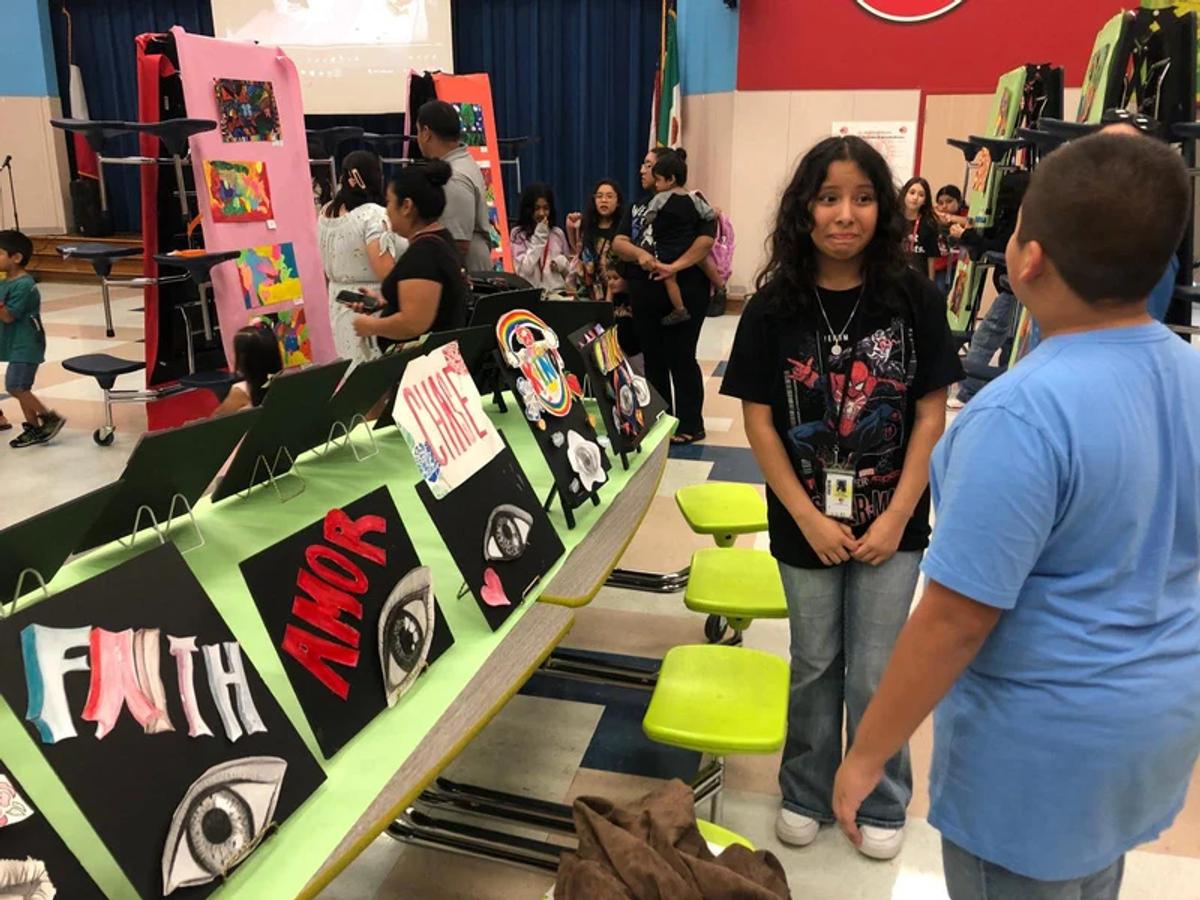
By the end of the school year, students took center stage during a family presentation, confidently explaining the values, ideas, and personal messages represented in their artwork.
The Educator Perspective
For Chris Perkins, the partnership demonstrated how naturally art and personal development can reinforce one another.
He described Be Peace – Be Hope as taking students on:
“a reflective journey helping us to explore questions about what it is to be human and how we react to our given circumstances.”
He also emphasized the ability of art to help students feel, learn, understand their own experiences, and develop empathy for the experiences of others.
In Their Own Words
-
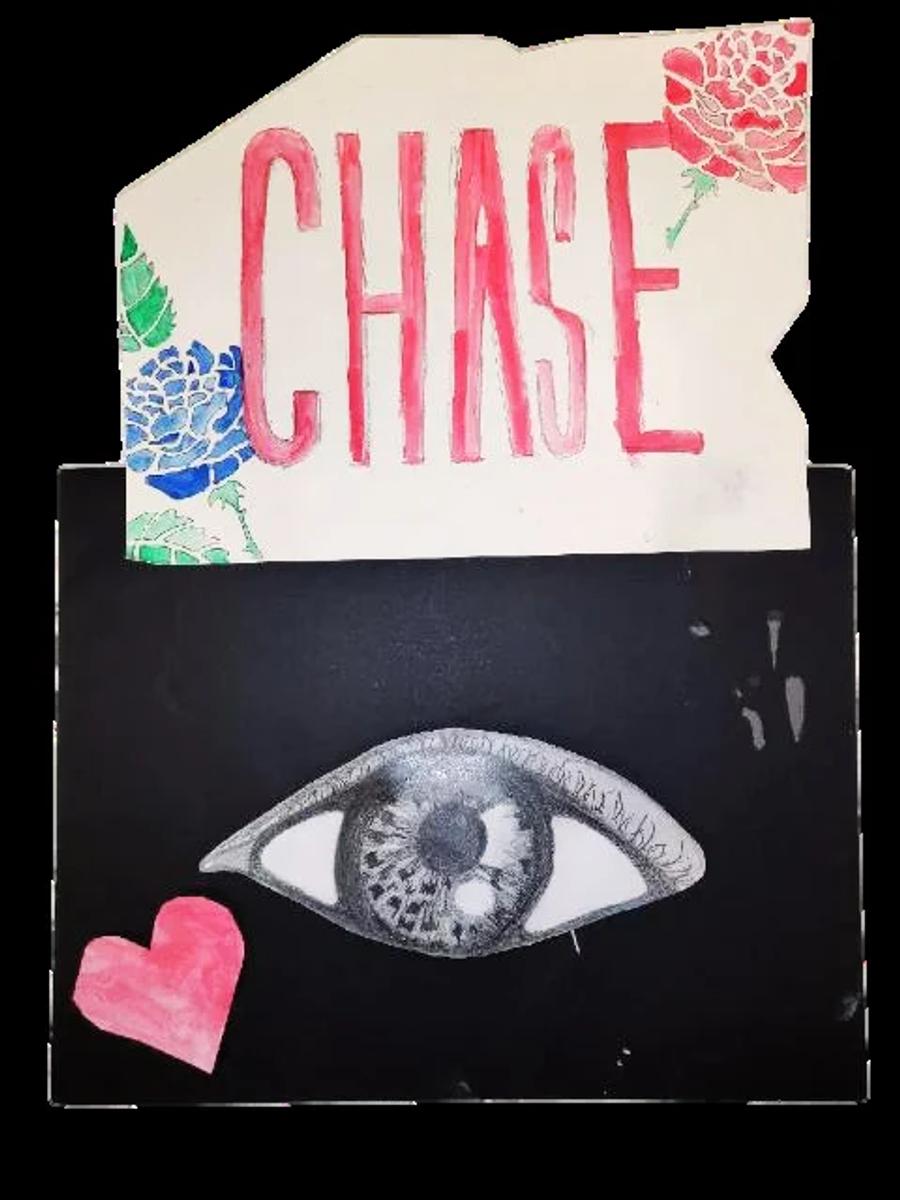
“Chase”
“Chase your dreams and believe in yourself. Don’t let others bring you down.”
Leah
-
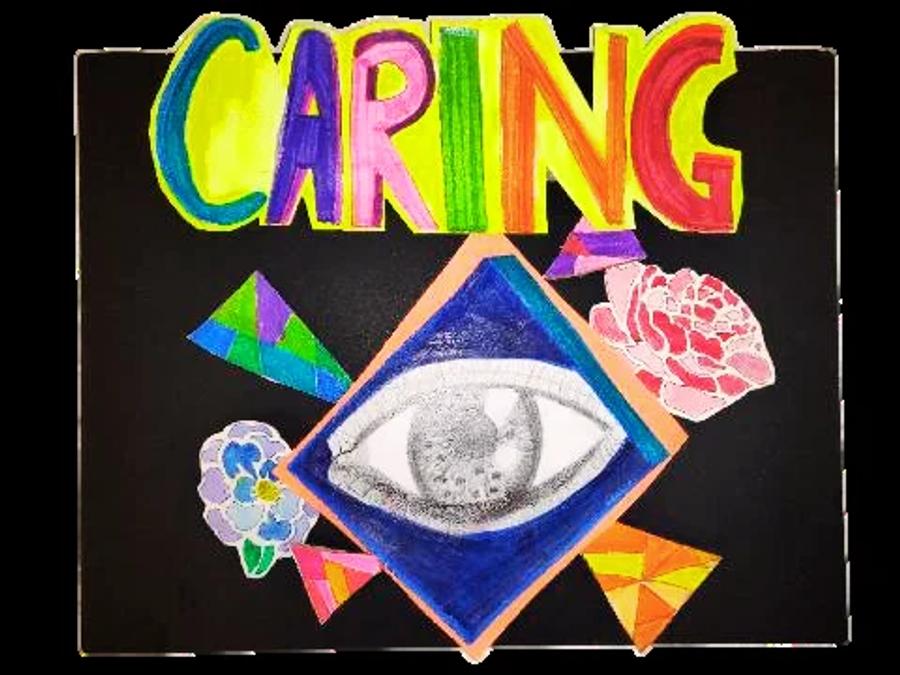
“Caring”
“In my Be Peace – Be Hope class, I learned that when someone says something mean, I can pause and take a deep breath.”
Alondra
-
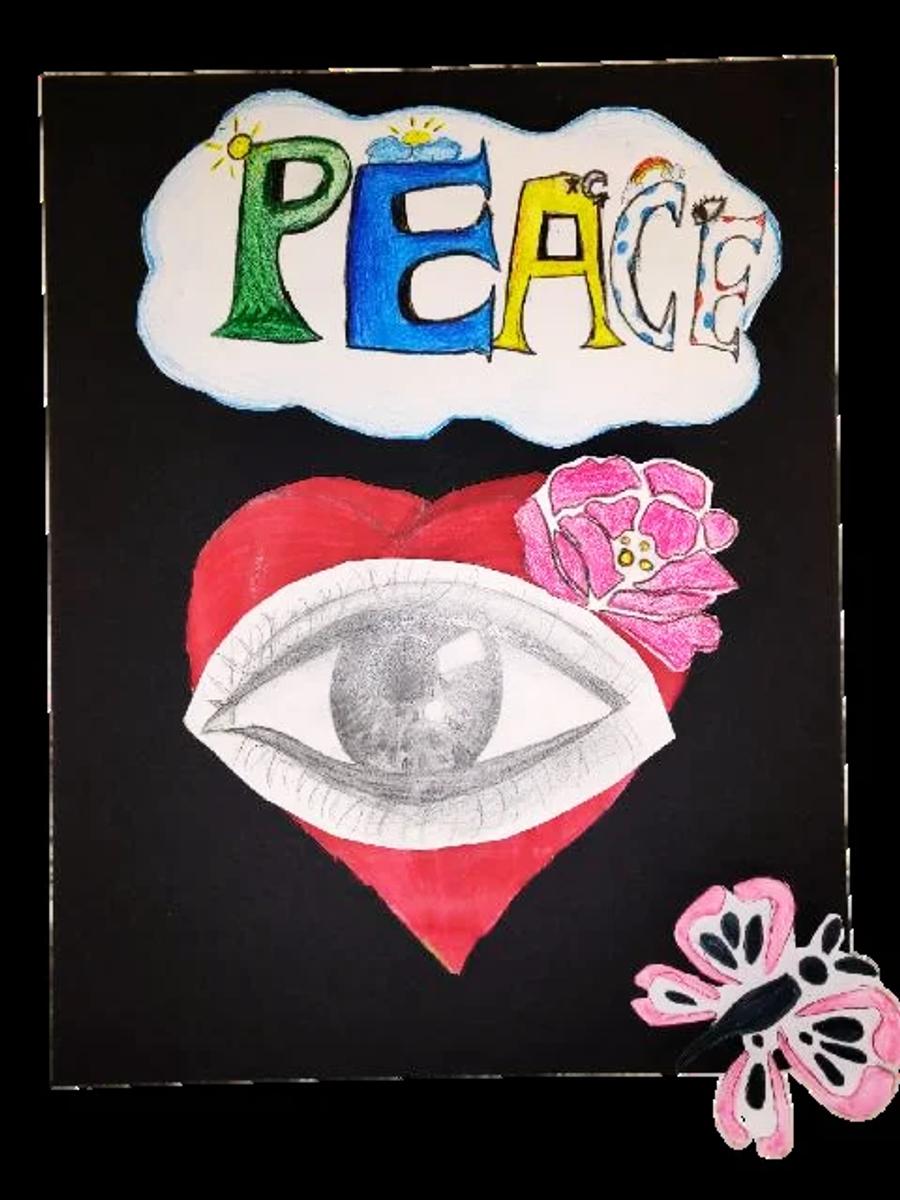
“Peace”
“Drawing helps me express my feelings without having to use words.”
Karla
-
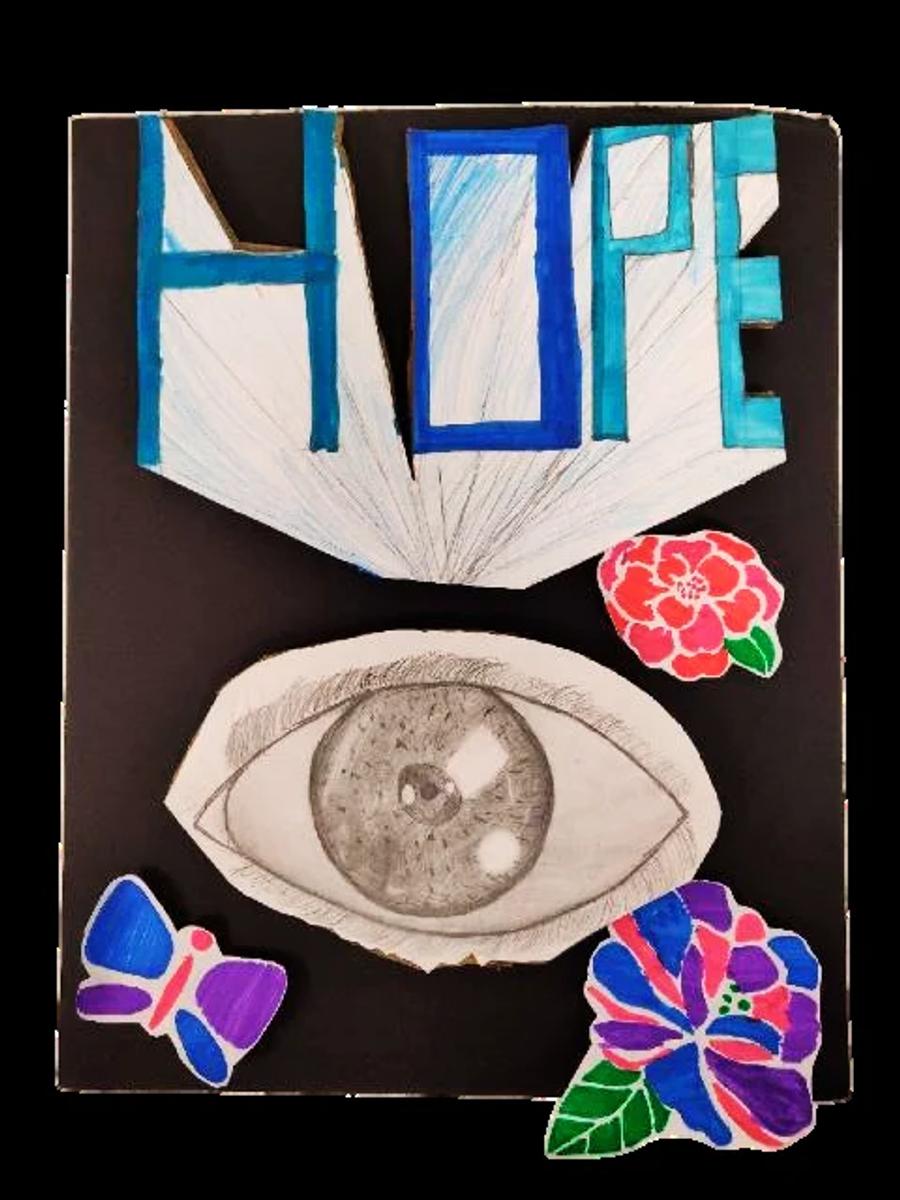
“Hope”
“I want more people to believe in themselves.”
Yuritza
-
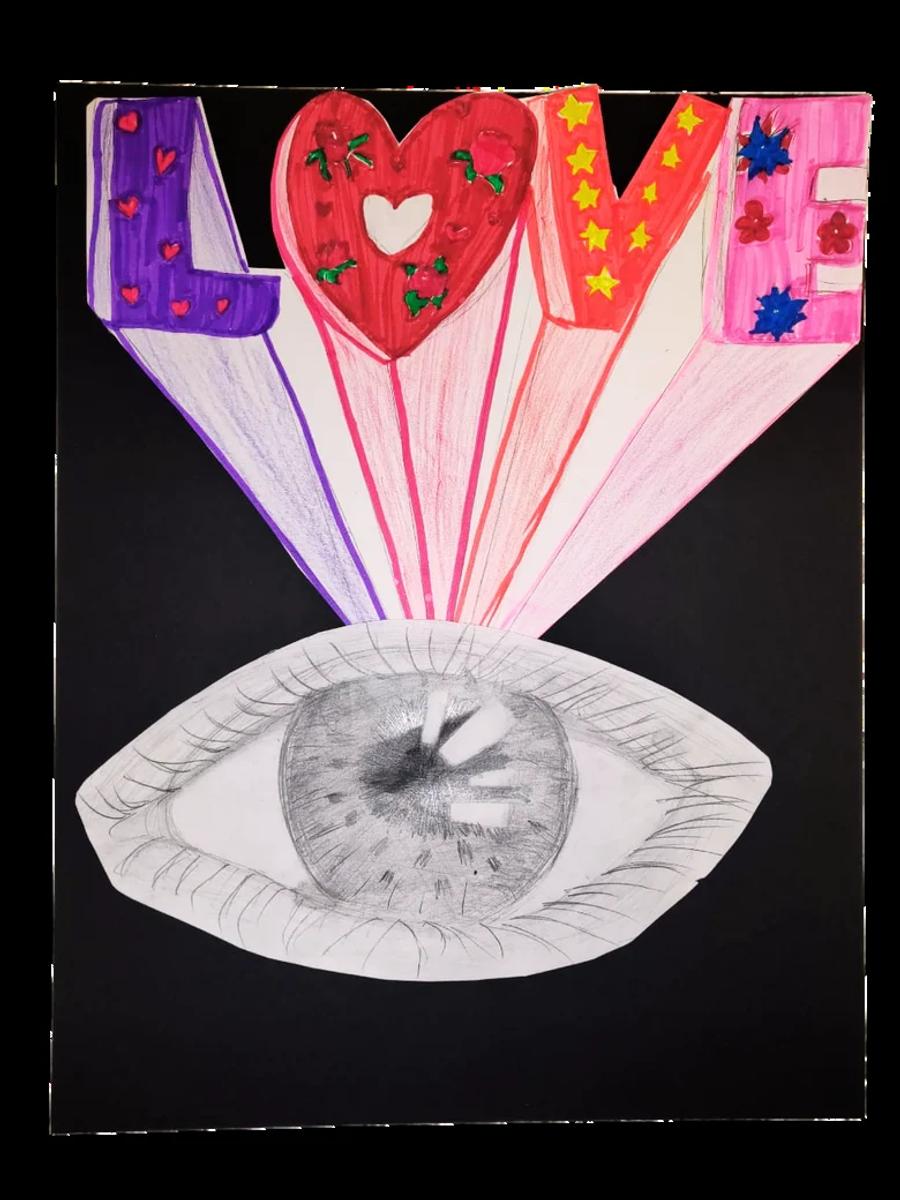
“Love”
“Simple acts like hugs, kind words, and support can transform lives.”
Kimberly
From Inner Growth to Contribution
The Hill Elementary experience reflects the larger Be Peace – Be Hope model:
-
Understand yourself.
-
Recognize your strengths.
-
Express what matters.
-
Practice new ways of responding.
-
Connect with others.
-
Turn what you learn into something positive.
Students did not simply create artwork.
They used art to explore who they were, what they believed, how they felt, what they hoped for—and the kind of world they wanted to help create.